On April 15, 2022, the WHO published an outbreak report of acute hepatitis of unknown etiology in children in the United Kingdom and Northern Ireland. Since then, there has been an increase in hepatitis cases, with adenovirus being identified as the causative agent. The CDC also reported 228 similar cases in children in the United States. What is hepatitis, and what are the symptoms of acute hepatitis in these children? Here’s an explanation.
What is Hepatitis?

As of April 21, 2022, at least 169 cases of acute hepatitis of unknown origin were reported from 11 countries in Europe and the Americas by the WHO. These countries are the United Kingdom, Ireland, Spain, Israel, Denmark, the Netherlands, Italy, Norway, France, Romania, and Belgium.
The US Centers for Disease Control and Prevention (CDC) has been investigating unexplained cases of severe hepatitis in children across the country. All are likely linked to a mysterious global outbreak. At least 228 cases have been reported worldwide as of May 1, 2022.
Several cases in the US have resulted in hospitalization of most children, double liver transplantation (about 10%), and death in 5 children.
What mothers need to know is that hepatitis is NOT a COMMON disease in children. However, the World Health Organization (WHO) reports that cases of hepatitis occur in children between the ages of 1 month and 16 years.
That’s why this case is so concerning, especially since experts still don’t have a clear picture of what causes this condition.
Explained on the pageHealthlineHepatitis is a term used to describe a health problem involving inflammation of the liver. Causes can include heavy alcohol use, exposure to toxins, certain medications, and several other medical conditions.
Viruses can also be a common cause of hepatitis. The most common hepatitis viruses we hear about are medically known as: Hepatitis A , hepatitis B, and hepatitis C.
Hepatitis viruses are typically transmitted through the blood or bodily fluids of an infected person. However, in many new cases of pediatric hepatitis, experts have been unable to identify a clear cause or link between the cases.
Adenovirus, Possible Cause of Acute Hepatitis Outbreak

Acute hepatitis can increase the risk of liver cancer in children.
Authorities are still investigating the cause of the hepatitis cases, and so far, one of the most likely links is adenovirus infection. In many cases, doctors have found that children’s blood tests indicate adenovirus infection.
“The investigation is ongoing. How it spread remains unclear. At no location has there been any contact between the sick children,” said Dr. William Schaffner, Professor of Preventive Medicine, Health Policy, and Professor in the Division of Infectious Diseases at Vanderbilt University Medical Center.
Dr. William said the only potential common link between the cases so far appears to be adenovirus infection.
IntelebriefingThe CDC, authorities said, found that half of the 109 children in the US who had hepatitis also tested positive for adenovirus. According to the WHO, adenovirus has been detected in 74 cases worldwide.
Adenoviruses typically cause a variety of illnesses, including fever, sore throat, colds, flu, and other respiratory symptoms. These viruses can also cause gastroenteritis or pink eye.
“Adenoviruses can be transmitted through the air or through the fecal-oral route, which is often how gastrointestinal adenoviruses are spread,” said Dr. Adam Ratner, Director of Pediatric Infectious Diseases at NYU Langone Hassenfeld Children’s Hospital.
Hepatitis is not a common consequence of adenovirus infection, but has been documented in children with compromised immune systems.
Symptoms of Acute Hepatitis in Children

Experts say early symptoms of hepatitis are vague and often associated with other health problems. These include nausea, vomiting, fever, and loss of appetite.
As hepatitis progresses, other symptoms may appear, including dark urine and light-colored stools. More serious symptoms include jaundice, a yellowing of the skin and whites of the eyes.
“As liver inflammation becomes more prominent, the symptoms patients experience become more distinctive, such as yellowing of the whites of the eyes and skin,” said Dr. William. “It can also be accompanied by light-colored stools and dark urine. (In general,) the symptoms of hepatitis are not apparent until the condition becomes more serious.”
The WHO website also writes that many of these cases reported gastrointestinal symptoms (including abdominal pain, diarrhea and vomiting before the symptoms of severe acute hepatitis), increased liver enzyme levels –aspartate transaminase(AST) oralanine aminotransaminase(ALT) greater than 500 IU/L- and jaundice.
Most cases are afebrile, and the common viruses that cause acute viral hepatitis (hepatitis A, B, C, D, and E) have not been detected. Furthermore, international travel or contact with other countries has not been identified as a factor, based on currently available information.
However, the only known cause is the presence of adenovirus, which has been detected in at least 74 cases—18 of which were identified as type F-41. SARS-CoV-2 was also identified in 20 of the cases tested, and 19 were detected with SARS-CoV-2 co-infection.
Adenoviruses are common pathogens that commonly cause infections.self-limited. This virus spreads from person to person and most often causes respiratory illness (depending on the type) and can cause other illnesses such as gastroenteritis (inflammation of the stomach or intestines), conjunctivitis (pink eye), and cystitis (bladder infection).
To date, there are over 50 immunologically distinct types of adenovirus that can cause infection in humans. Adenovirus type 41 typically presents with symptoms of acute hepatitis such as diarrhea, vomiting, and fever, as well as respiratory problems.
Whether adenoviruses are linked to children’s susceptibility to the COVID-19 pandemic requires further investigation. Investigations are ongoing in many countries, particularly those affected by the pandemic. These include detailed clinical and exposure histories, toxicology testing (e.g., environmental and food toxicity testing), and additional virology/microbiology testing.
Parents Don’t Need to Worry, Here’s How to Prevent It!
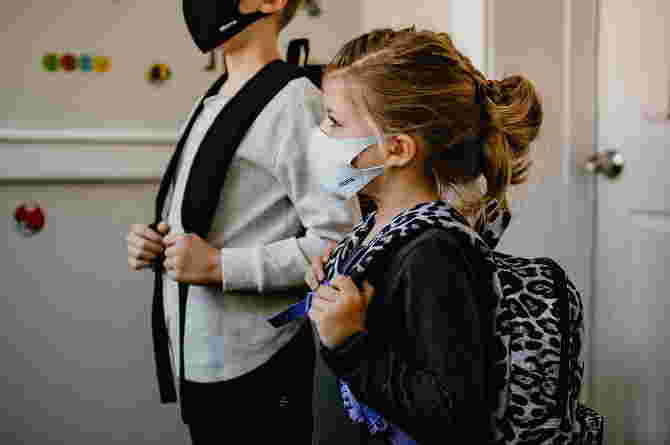
These cases, while alarming, are still rare. Therefore, mothers don’t need to worry about this disease affecting their little ones. Allow them to socialize as they should, both at home and at school.
Maintain your child’s nutritional intake by providing essential nutrients through food and drink, and always maintain hand hygiene. Although the government has permitted children to remove masks when outside, continue to wear a mask for them, especially if you are uncomfortable with the outdoor air.
Also, be aware of cold and flu-like symptoms that don’t improve in your child. Consult a doctor immediately for a complete diagnosis. Also, tell your pediatrician if your child experiences other signs such as dark urine, light-colored stools, or jaundice.
Because the symptoms of acute hepatitis are still difficult to detect, it’s also difficult to pinpoint the best way to prevent it. However, experts believe that because adenovirus is currently the trigger, preventing colds and flu may be the most effective strategy in helping prevent acute hepatitis in children. So, moms, pay attention to your child’s nutritional intake and hygiene. Stay healthy!
Republished with permission from theAsianParent Indonesia


 Together Against RSV
 Pregnancy
 Parenting
 Child
Child Feeding & Nutrition
 Education
 Lifestyle
 Events
 Holiday Hub
 Aptamil
 TAP Recommends
 Shopping
 Press Releases
 Project Sidekicks
 Community
 Advertise With Us
 Contact Us
 VIP
VIP Rewards
