Herpes zoster, or shingles, is a disease caused by the Varicella Zoster virus . This disease is usually characterized by the growth of fluid-filled blisters on the skin. Currently, shingles can only be prevented with the shingles vaccine.
The Centers for Disease Control and Prevention (CDC) recommends that healthy adults 50 years of age and older receive two doses of the shingles vaccine called Shingrix (recombinant shingles vaccine).
The first and second doses are usually given two to six months apart. Two doses of Shingrix are more than 90% effective.
Who Should Get the Shingles Vaccine?
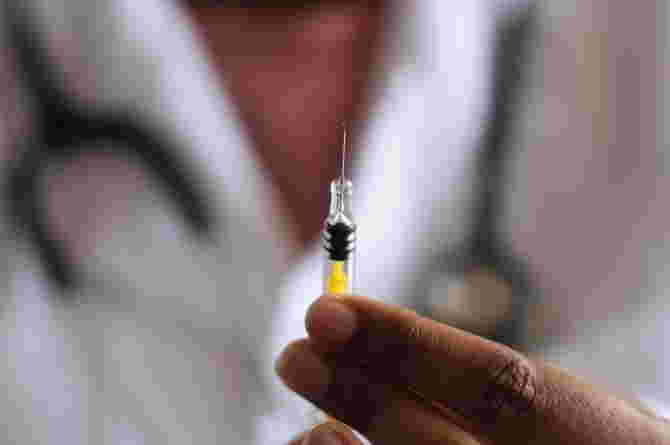
Sumber: pexels
Healthy adults aged 50 and older should receive two doses of the shingles vaccine. Those who have had shingles and chickenpox should also receive the shingles vaccine.
If you’ve ever had shingles, you can get the Shingrix vaccine to help prevent future cases.
After recovering from the disease, you don’t need to wait a specific amount of time before receiving the Shingrix vaccine. Generally, you just need to make sure the shingles rash has cleared before vaccination.
Additionally, you should also get the shingles vaccine if you have ever had chickenpox.
Studies show that more than 99% of Americans aged 40 and over have had chickenpox.
Chickenpox and shingles are caused by the same virus (varicella zoster virus). After someone recovers from chickenpox , the virus remains dormant (inactive) in the body. Over time, the virus can reactivate and cause shingles.
That’s why it’s so important for those who have had shingles and chickenpox to get the shingles vaccine.
Who Should Not Get the Shingrix Vaccine?
You should not get Shingrix if:
- Have ever had a severe allergic reaction to any component of the vaccine.
- The test result for immunity to the varicella zoster virus is negative. If the test result is negative, you should receive the chickenpox vaccine.
- Currently experiencing shingles.
- Pregnant or breastfeeding. Women who are pregnant or breastfeeding should wait to get Shingrix.
- If you have a sudden, mild, acute illness (such as a cold), you may be given Shingrix. However, if you have a moderate or severe acute illness, you should usually wait until you recover before getting the vaccine.
- Having a body temperature of 38.5 Celsius or higher.
How Effective Is the Herpes Zoster Vaccine?
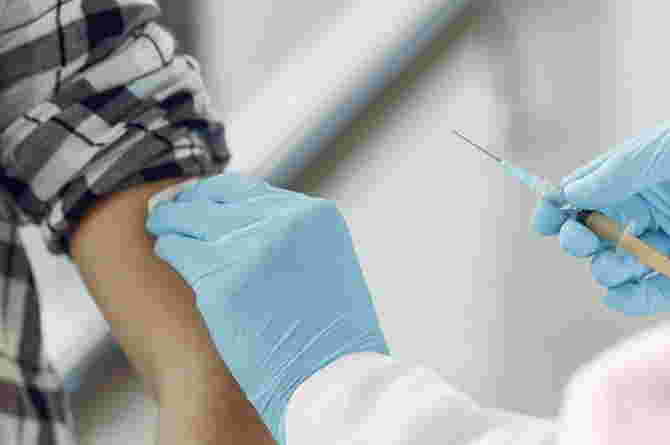
Source: pexels
Two doses of Shingrix provide strong protection against shingles and postherpetic neuralgia (the most common complication of shingles).
Two doses of the Shingrix vaccine are 97% effective in preventing shingles in adults aged 50 to 69. In adults aged 70 and older, Shingrix is 91% effective.
Two doses of the Shingrix vaccine are 97% effective in preventing postherpetic neuralgia in adults aged 50 to 69. In adults aged 70 and older, Shingrix is 91% effective.
Shingrix protection remained high (more than 85%) in adults aged 70 years and older for four years after vaccination.
What are the possible side effects of Shingrix?
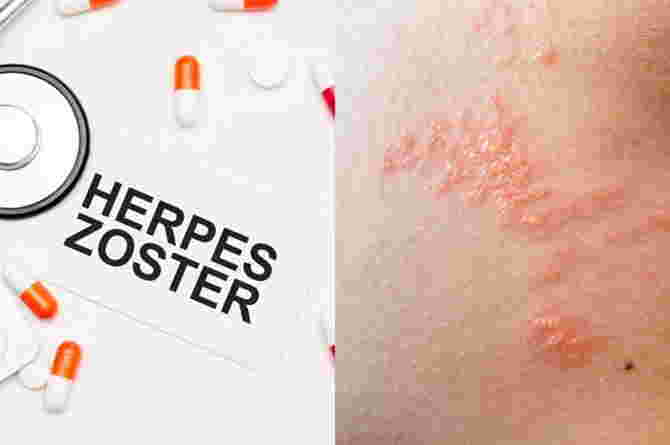
Studies show that Shingrix is safe to use. This vaccine can help your body build a strong defense against shingles.
Most people experience mild or moderate arm pain after getting Shingrix, and some also experience redness and swelling where they got the injection.
Some people also experience fatigue, muscle aches, headaches, chills, fever, stomach upset, or nausea. About 1 in 6 people who receive Shingrix experience side effects that prevent them from carrying out their regular activities.
Vaccine side effects usually go away on their own in about 2 to 3 days.
If you experience side effects from the vaccine, you can take over-the-counter pain relievers such as ibuprofen or acetaminophen.
You Should Be Alert If You Experience These Symptoms After Vaccination
In clinical trials, Shingrix did not cause any serious side effects. In fact, serious side effects from vaccines are extremely rare.
For example, for every 1 million doses of vaccine given, only one or two people may experience a severe allergic reaction.
Signs of an allergic reaction usually occur within minutes or hours of vaccination. Signs of an allergic reaction include hives, swelling of the face and throat, difficulty breathing, a rapid heartbeat, dizziness, or weakness.
If you experience the above symptoms or other life-threatening symptoms, see a doctor immediately, okay, Parents !
That’s the information about the shingles vaccine. We hope this information is helpful!
Republished with permission from theAsianParent Indonesia


 Together Against RSV
 Pregnancy
 Parenting
 Child
Child Feeding & Nutrition
 Education
 Lifestyle
 Events
 Holiday Hub
 Aptamil
 TAP Recommends
 Shopping
 Press Releases
 Project Sidekicks
 Community
 Advertise With Us
 Contact Us
 VIP
VIP Rewards
 VIP Parents
