What is forbidden in measles? Find out the answer here.
Measles virus: What you need to know
Has your child ever had chickenpox? Learn about the possible causes, symptoms, and treatments for chickenpox.
Because their immune systems are not yet strong , it is natural for children to get infectious diseases. One of the diseases that often affects children is measles or German measles in English.
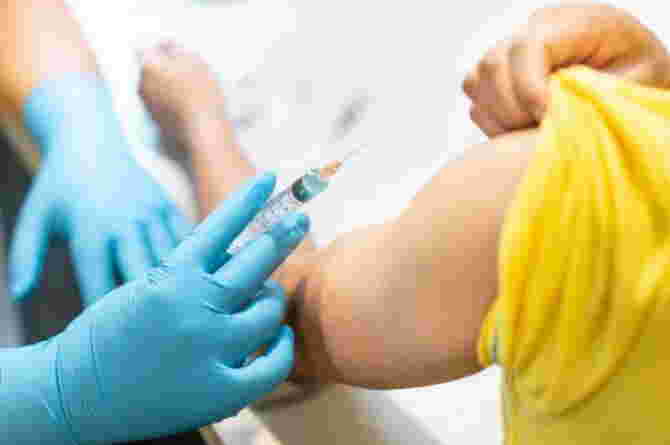
Measles air medicine | Image from Freepik
Measles symptoms: Causes and symptoms of measles
Where does measles get airborne?What are the measles symptoms that are important to watch out for? What is the difference between measles and chickenpox?
The difference between measles and rubella is the type of virus that causes the disease. German measles, which is caused by the rubella virus, is called rubella. Measles, which is also called measles or rubeola, is caused by a virus from the paramyxoviridae family. Both can be transmitted through the air. The virus spreads through the air when someone with measles coughs or sneezes. The appearance of measles can look similar to other rashes, so it is important to know the symptoms to avoid misconceptions.
This viral infection can be passed to other people through droplets from a cough or sneeze of someone with German measles. This means that if you touch something that has droplets from someone with German measles on it and then touch your mouth, nose, or eyes, you can get German measles.
It is also possible to spread this disease by sharing food or drinks with someone who has measles. Often, the symptoms of German measles are mild and therefore go unnoticed. Symptoms may appear 2 to 3 weeks after a person is exposed to the virus that causes measles, and they can last from 3 to 7 days. The appearance of measles is also an important aspect that must be looked at to recognize the disease and provide immediate attention. By recognizing the appearance of measles, it is also easier to prevent the disease from spreading to people around you.
Measles symptoms, appearance of measles
Measles symptoms: Here are the common symptoms of measles:
- Pink or red rashes that start on the face and spread down the entire body.
- fever (38.9C or below)
- Swollen or swollen lymph nodes
- cold or stuffy nose
- headache
- body aches
- conjunctivitis or red eyes
Although the above symptoms are not serious, you should still consult a doctor if you suspect you have German measles, especially if you are pregnant or have someone in your home who is pregnant.
When should you call a doctor immediately?
In rare cases, measles can cause complications such as ear infections and brain swelling. Call your doctor immediately if you notice these symptoms.
- prolonged headache (along with other symptoms of measles)
- earache
- Stiff neck or neck pain and stiffness

Appearance of measles wind
What does measles look like? How do you know if you have measles? According to Healthline , your first symptoms will appear 7-14 days after being infected with measles. Fever, cough, runny nose, and sore throat are the first symptoms, which are similar to those of the flu .
The eyes often become red and watery. A reddish or brown rash appears after three to five days and spreads over the entire body from head to toe.
You may see small spots inside your mouth and across your cheeks 2-3 days after you first notice symptoms of measles.
Red dots with blue-white centers are common and are called Koplik’s spots. They are named after pediatrician Henry Koplik, who first described the early symptoms of measles in 1896. As other measles symptoms fade, the Koplik spots should also decrease.
The measles rash is reddish in appearance. It starts on the face and progresses down the body over a few days, from the neck to the torso, arms, and legs, eventually reaching the feet.
Eventually, it will cover the entire body with patches of different colored pimples. The rash lasts for about 5 or 6 days. The rash may not appear in immunocompromised patients.
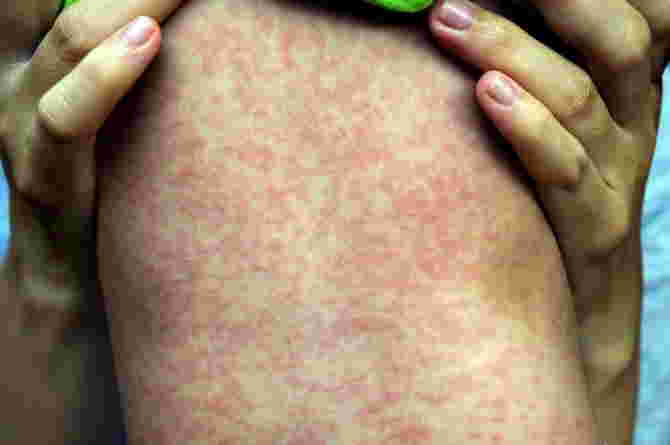
Image from Shutterstock
Pregnant women, be careful of measles in the air
If it lands on a pregnant woman, it can affect the fetus in the womb. It can be born with congenital rubella syndrome (CRS). This is a serious disease that can cause miscarriage or the following complications in the baby:
- slow growth
- mental problem
- heart disease
- deafness
- problems with other organs or parts of the body.
In fact, the reason the rubella vaccine was created was to protect pregnant women against this infection.
That’s why it’s very important for pregnant women, or those who want to get pregnant, to get vaccinated against rubella to ensure that their future baby is protected.
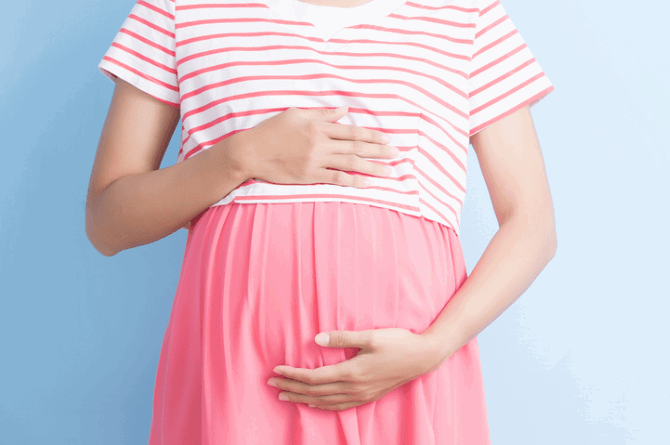
Image from iStock
What is the medicine for measles?
Measles home remedy medicine
Usually, it is treated at home, and the rashes disappear on their own. You can also take fever medicine to treat this symptom. What are some other home remedies for measles?
- Resting and drinking plenty of water can help the symptoms of measles go away faster.
- If your child has chickenpox, monitor them closely for any increases in fever and notify your doctor immediately.
- If you or your child develops an infection such as pneumonia while you have measles, your doctor may give you antibiotics.
- It is also a good idea to take vitamin A, because children with low Vitamin A levels in their bodies often experience more severe cases of measles.
To be sure, take your child to the doctor to make sure it’s not measles or scarlet fever because the symptoms are similar.
It’s also best to tell the doctor because there might be an infection spreading in your area, so they can treat it early.
Treatment for measles
There is no specific treatment for measles once it has occurred. Treatment includes things that can provide relief and reduce symptoms, such as rest, and healing and avoiding things that can make it worse.
However, there are some things that people may follow who do not have immunity after they have been exposed to it.
- Post-exposure vaccination. People who are not immune to measles, especially infants, can be given measles vaccine within 72 hours of exposure. If measles does occur, the symptoms are mild and the illness is short-lived.
- Immune serum globulin. Pregnant women, infants, and people with weakened immune systems who have been exposed to the virus can get an injection of proteins (antibodies) called immune serum globulin. When given within six days of exposure to the virus, these antibodies can prevent measles or make its symptoms less severe.
Remember : Rubella is highly contagious, so make sure to keep your child out of the house or back to school for 2 to 3 weeks to avoid infecting other children.
Measles treatment, home remedies and lifestyle changes
If your child has measles, be sure to consult a doctor immediately. You can also follow the following:
- Rest and avoid many activities.
- Drink plenty of water, fruit juice, and herbal tea to replace fluids lost from fever and sweating. If necessary, over-the-counter rehydration solutions can be purchased.
- Use a humidifier for coughs and sore throats . Adding moisture to the air helps to relieve discomfort.
- Use saline nasal sprays to stop nasal irritation.
- If you or your child find bright lights irritating, like most people who get measles, dim the lights or wear sunglasses. Also avoid watching TV as the light from it can also be irritating.
Measles virus in adults
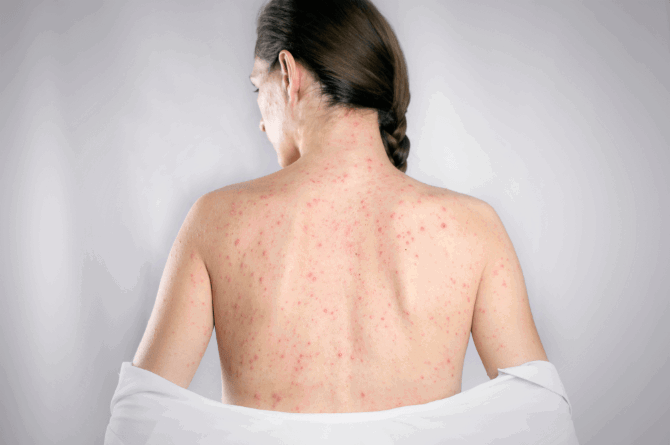
Image from Shutterstockmula sa Shutterstock
Measles in adults is also nothing to worry about. It just needs to be rested. During the time you have it, you should not leave your house because it is contagious.
To speed up your recovery, consult a doctor immediately. Do not self-medicate as this may worsen your condition.
The most common symptoms in adults are headache with fever. There is also nasal congestion and muscle aches. If you are pregnant, it is important to treat it immediately because it can be harmful to your pregnancy.
By the age of 15, your vaccination against this disease should be complete. The vaccine will serve as protection against this viral infection, especially for people exposed to it in hospitals or those who work there.
This is also important for those who travel frequently. But the most at risk are pregnant women.
Where does measles get airborne?
Rubella is spread from person to person through coughing and sneezing. The virus replicates in the lymph nodes as well as in the nasopharynx, the tube that connects the nasal cavity and the soft palate .
In about 5 to 7 days, the virus spreads throughout the body in the bloodstream after exposure, with symptoms appearing 2 to 3 weeks after infection.
Rubella is contagious up to 7 days before the rash appears and up to a week after the rash begins.
What is forbidden in measles?
- Eating Cold Foods
When you have measles, it is best to avoid cold foods or drinks. These can worsen the fever and other symptoms.
- Sunbathing Outdoors
Exposure to the sun, especially when you have a fever, should be avoided. Excessive heat can worsen the condition and cause discomfort.
- Excessive Activity:
When you have measles, your body needs plenty of rest. Avoid strenuous activities or excessive fatigue as this may take longer for the patient to recover.
- Going to Public Places
If there is measles outbreak, avoid going to crowded places to avoid getting infected. Rubella is easily transmitted to others, especially to those who have not been vaccinated.
- Food or Sweets
In questions such asWhat is forbidden in measles?, a common advice is to avoid overly sweet foods. This weakens the immune system and can cause slow healing.
- Eating Spicy or Strong Foods
Spicy foods should also be avoided because they can cause irritation to the body, especially when there is a fever and sore throat caused by measles.
What else is forbidden in Measles?
Apart from the above, another important aspect of what is forbidden in measles is avoiding touching other people, especially pregnant women. Rubella is very dangerous for pregnant women because it can cause complications in the baby.
How can German measles be prevented?
Nowadays, rubella is rare because there is a vaccine against it. This vaccine is called the measles-mumps-rubella or MMR vaccine.
According to the Centers for Disease Control and Prevention, one dose of the MMR vaccine is 97% effective against rubella, while two doses are 97% effective against measles and 88% effective against mumps.
Usually, it is given when the baby is 12 to 15 months old, and another when the child is between 4 and 6 years old, before he or she starts school.
Some parents are hesitant to have their children vaccinated with the MMR vaccine due to speculation that it causes autism in children. But don’t worry, mommies, because this is untrue.
According to the World Health Organization, there is not enough evidence linking MMR vaccines and other vaccines to a child developing autism.
So make sure your child gets vaccinated on time. To completely prevent this virus and the symptoms of German measles.
If you are pregnant, it is important to consult your doctor about the appropriate rubella vaccine to ensure that your pregnancy does not have any complications.
If you have any questions about measles or notice anything unusual in your child, don’t be shy about asking your doctor.
Measles complications
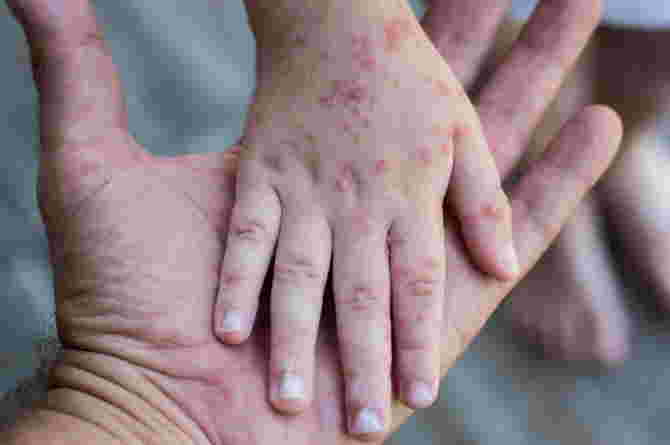
Image from Shutterstock
According to the Centers for Disease Control and Prevention (CDC), about 30% of people who get measles develop health complications such as pneumonia, ear infections , diarrhea , and encephalitis . Pneumonia and encephalitis are two serious complications that can lead to hospitalization.
It is a lung disease that causes fever, chest pain, difficulty breathing, and a cough with phlegm. People with weakened immune systems due to other illnesses are at higher risk of developing pneumonia.
According to the CDC, one in every 1,000 children may develop encephalitis, an inflammation of the brain. It sometimes begins after having measles.
Encephalitis is a serious disease that can lead to convulsions, deafness, and mental retardation in the child. It is also dangerous for pregnant women because their babies may be underweight after birth.
What is the MMR vaccine?
The measles-mumps-rubella (MMR) vaccine is a vaccine that protects against the three diseases mentioned above. It contains live but weakened strains of the virus which allow the body to develop immunity against these viruses.
This vaccine is important for children and women of childbearing potential. More than 90% of those who get it do not develop rubella or measles.
The Centers for Disease Control and Prevention (CDC) recommends that children get the vaccine at 12-15 months of age, and the second dose at 4-6 years of age, or at least 28 days after the first shot of the MMR vaccine. Adolescents who have not been vaccinated should get two MMR vaccines, spaced 28 days apart.
Mild side effects may occur after receiving the MMR vaccine, some of which are:
- Muscle pain and redness at the injection site
- Fever
- Mild rash
- Temporary joint pain
- Temporary cases of thrombocytopenia or decreased platelet count.
And because vaccines contain live but weakened strains of the virus, mild cases of rubella can also occur.
Republished with permission from theAsianParent Philippines


 Together Against RSV
 Pregnancy
 Parenting
 Child
Child Feeding & Nutrition
 Education
 Lifestyle
 Events
 Holiday Hub
 Aptamil
 TAP Recommends
 Shopping
 Press Releases
 Project Sidekicks
 Community
 Advertise With Us
 Contact Us
 VIP
VIP Rewards
 VIP Parents
