Plastic wrap parenting is an overprotective approach where parents try to shield their children from every challenge, mistake, or failure. While every parent wants to keep their child safe, this extreme level of control can actually do more harm than good. Children raised under this parenting style may struggle with independence, confidence, and emotional resilience.
Instead of preparing children for the real world, plastic wrap parenting can leave them mentally weak and unprepared for life’s challenges. Let’s explore five ways this parenting style can negatively impact children.
1. Indecisiveness: Struggling to Make Choices
One of the biggest downsides of plastic wrap parenting is that it makes children indecisive. When parents make every decision—what to wear, who to be friends with, what hobbies to pursue—children never get the chance to practice decision-making for themselves.

A study published in Emerging Adulthood found that restrictive parenting limits a child’s autonomy. Strict rules, rigid curfews, and constant academic monitoring prevent kids from developing confidence in their choices. This becomes a major problem in adulthood when they have to make important life decisions. A child who never learned to make choices may struggle with everything from picking a career to handling everyday responsibilities.
2. Limited Progress: Holding Children Back from Growth
Parents who follow plastic wrap parenting often go to great lengths to eliminate any risks in their child’s life. While this might seem like a good thing, it actually limits the child’s ability to grow.
Children need challenges to learn and improve. By constantly protecting them from failure, parents also prevent them from discovering their strengths, developing problem-solving skills, and gaining confidence. Whether it’s choosing their own meals, exploring new interests, or making social connections, kids need the freedom to experience life. When parents control everything, children miss out on important opportunities for personal growth.
3. Lack of Freedom: Constant Monitoring and Interference
This parenting style shares similarities with helicopter parenting. Parents watch every move their child makes, stepping in to correct mistakes before they even happen. While the intention is to ensure success, the result is a child who feels trapped and unable to think for themselves.
Without the freedom to take risks, children never learn how to navigate challenges on their own. Mistakes are part of life, and learning from them is essential for building confidence and independence. If children are never allowed to fail, they won’t know how to handle setbacks in the future. Instead of solving problems, they may freeze or look to someone else to make decisions for them.
4. Dependency and Anxiety: The Long-Term Effects
Overprotected children often become overly reliant on their parents. Because they’ve never been allowed to make mistakes or solve problems, they feel anxious when faced with difficulties.
.When parents micromanage every part of a child’s life, it backfires. Instead of creating responsible, independent adults, this approach can lead to kids who are afraid to take action without parental approval.
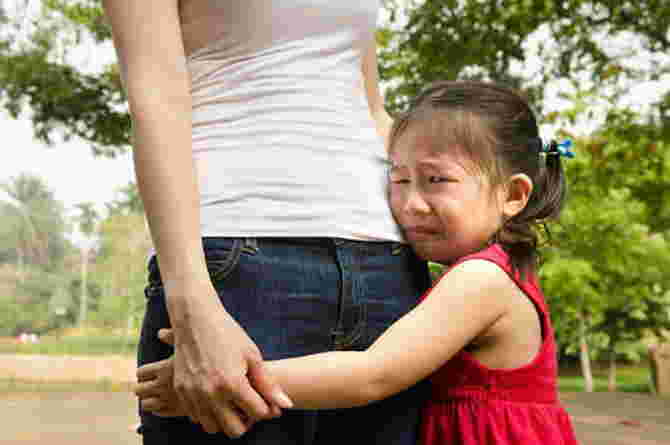
As these children grow up, they may struggle with anxiety when dealing with new experiences. Without constant guidance, they feel lost, unsure of what to do next. Adulthood comes with challenges, but children raised with plastic wrap parenting may find it overwhelming because they were never taught how to cope on their own.
5. Limited Social and Emotional Development
Another major downside of this parenting style is that it can negatively affect a child’s social and emotional skills. When parents control their child’s interactions, limit their friendships, or prevent them from experiencing different social situations, they struggle to develop confidence in new environments.
Children need the chance to explore different social settings, resolve conflicts, and build relationships on their own. If parents always step in to manage social situations, kids may grow up feeling unsure of how to interact with others. This can lead to difficulties in forming friendships, advocating for themselves, or adapting to new social environments in adulthood.
Many factors contribute to plastic wrap parenting—past trauma, cultural expectations, or the fear of failure. While it comes from a place of love, the long-term impact on a child’s emotional and social development can be significant.
Final Thoughts
Being protective is natural, but too much protection can do more harm than good. Children need guidance, not control. They need the chance to make mistakes, learn from failures, and grow into independent individuals.
Plastic wrap parenting may seem like a way to keep kids safe, but in reality, it can leave them mentally weak and unprepared for real life. The key to raising strong, confident children is finding a balance—offering support while also allowing them the freedom to learn and grow.
ALSO READ:
Challenges and Joys of Parenting a Nonbinary Child
Understanding Tweens: Changes and Parenting Tips
Eggshell Parenting: The Good, the Bad, and the Fix


 Together Against RSV
 Pregnancy
 Parenting
 Child
Child Feeding & Nutrition
 Education
 Lifestyle
 Events
 Holiday Hub
 Aptamil
 TAP Recommends
 Shopping
 Press Releases
 Project Sidekicks
 Community
 Advertise With Us
 Contact Us
 VIP
VIP Rewards
 VIP Parents
