What is the condition of the uterus like after giving birth?
During pregnancy, the uterus undergoes numerous changes. Its crucial role as a home for the fetus means it needs time to recover.
Postpartum recovery time varies for each woman, ranging from six weeks to six months or more.
While recovering from childbirth, you may experience bleeding , night sweats, uterine contractions, and other symptoms.
So, what does the uterus look like after giving birth? Read the following article until the end!
What Does the Uterus Look Like After Childbirth?
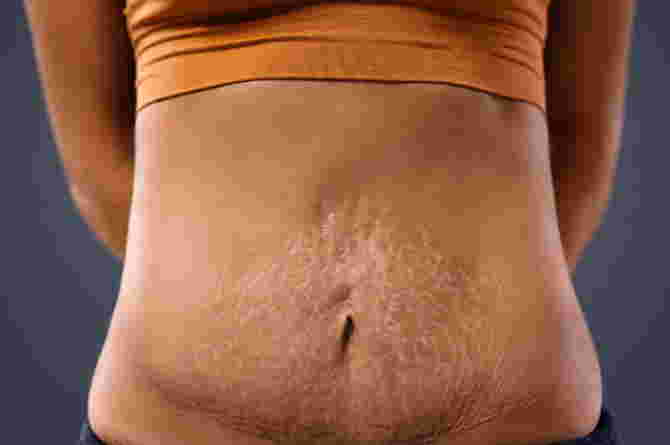
During pregnancy, the uterus can enlarge and expand, from the size of a fist to continuing to grow throughout the pregnancy.
The first six weeks after giving birth are called the postpartum period.postpartumThis period is an intense time where he needs all kinds of care to return to his previous condition.
During this time the body will experience a number of changes, ranging from healing after childbirth to mood swings due to the influence of hormones.
One of the things you’ll experience is a vaginal discharge called lochia, which typically lasts for several weeks after delivery. Lochia turns bright red immediately after the baby is born.
Don’t panic because this vaginal discharge is actually part of the process of emptying whatever is left in the uterus during pregnancy.
Over time, the discharge will change to pink or brown, yellow or white, and then decrease until it finally stops. Through this bleeding, you can monitor the progress of uterine healing.
Whether vaginal or cesarean delivery, the uterus undergoes the same process of shrinking. The only difference is the degree of pain.
If the mother gives birth by caesarean section , she is required to undergo incisions in various layers of skin, fat, muscle, peritoneum, and then down to the uterus.
It is not surprising that the caesarean section process, which is full of wounds, will feel more painful during the healing process.
The following is the process of uterine recovery based on time, quoted fromHealthline.
1. Several Days to 1 Week After Giving Birth
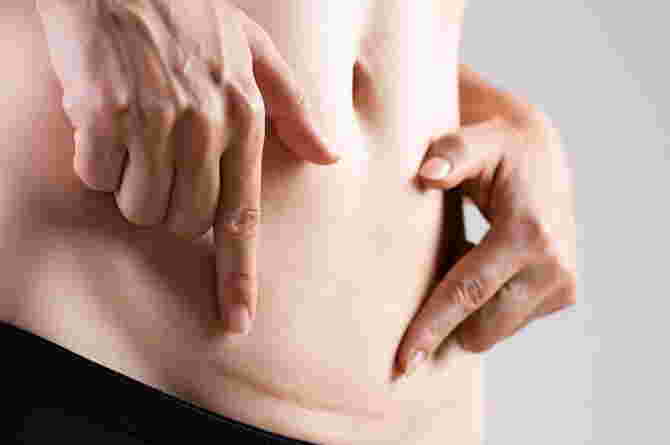
If you give birth in a hospital, you will probably stay there for a few days after normal delivery .
It depends on whether there is a perineal tear or not (and how much), as this requires a doctor’s evaluation if your vaginal area is painful.
Meanwhile, during a caesarean section, most mothers will have difficulty moving because the incision wound is still very painful.
Even so, mothers should get used to moving as soon as possible, at least gradually. Getting used to moving can also prevent blood clots around the stitches .
After the baby is born, your weight can also drop by around 6 kg as the size of your uterus shrinks.
This is because during the birth process, the weight of the baby, placenta, amniotic fluid , and blood and other body fluids are removed from the body.
Then, after 1-2 days after giving birth, the size of the uterus will be like when you were 18 weeks pregnant or around 4-5 months.
So, don’t be surprised if your belly still looks bloated and large. That’s because the uterus isn’t shrinking that quickly, Mom.
2. Condition of the Uterus After 2 Weeks of Giving Birth
Whether you have a normal or caesarean birth, you will experience postpartum bleeding or vaginal bleeding.
Some mothers experience bleeding for only two weeks, while others experience bleeding for up to six weeks. This is a normal duration for women who have had a vaginal birth.
You may also experience itching in the vaginal area during a vaginal delivery and in the incision area during a cesarean section due to the healing of the stitches. This can be quite uncomfortable.
Mothers will also urinate frequently because the body will release excess fluid from the uterus that was previously needed for fetal development.
During these weeks, the uterus seems to ‘cleanse’ itself naturally first, and then you will feel contractions.
There’s no need to worry, as these contractions are a sign that your uterus is healthy. The uterine muscles will begin to shrink back to their normal size.
3. Condition of the Uterus After 1-2 Months of Giving Birth
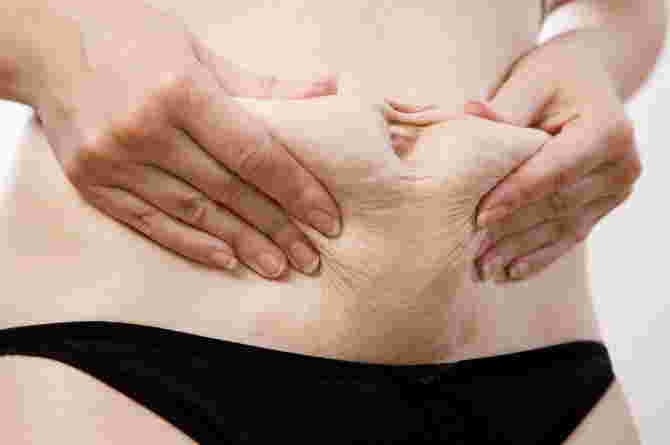
What happens after 1-2 months of vaginal delivery? Well, don’t be surprised if your weight drops by around 10 kg.
This is a sign that your weight will soon return to its pre-pregnancy level if you are also diligent in breastfeeding your little one.
Breastfeeding your baby directly is a natural way to lose weight after giving birth. This process burns a lot of calories and helps the uterus shrink faster.
However, don’t expect your uterus to shrink quickly.
In the first month, the uterus has returned to its original position, namely in the pelvis.
However, the size has not completely returned to its pre-pregnancy size, or the size of a fist.
Some mothers begin to notice changes in their belly size, meaning it begins to appear flatter and smaller. Usually, postpartum bleeding also begins to stop at this time.
What about the cesarean delivery process? Given the more painful delivery process, the recovery process after a cesarean section is proven to be longer.
The condition of the uterus is longer, wider, and larger than the condition after normal delivery.
This is as written inArchives of Gynecology and Obstetricsthat a mother who undergoes a cesarean section, the uterus will return to its normal size 6 weeks after giving birth.
If you have a cesarean section, at this time you are allowed to lift weights that are heavier than the weight of the baby.
Even if there are no complications, the caesarean section stitches will start to dry out even though they may still feel itchy.
4. Condition of the Uterus After 6 Months of Giving Birth
After 6 months, the uterus returns to its original size, regardless of whether it’s a cesarean section or a vaginal delivery.
If you feel like you haven’t returned to your pre-pregnancy weight, it could be because you’ve gained some fat during pregnancy.
By this time, your hair has stopped falling out, and your periods have also returned to normal.
Or there are some mothers who only start menstruating after one year after giving birth.
5. Condition of the Uterus After Giving Birth 9-12 Months
In a normal or cesarean delivery, the uterus will have completely returned to its original size. Although your abdominal skin may appear thicker.
Some women may not regain their skin elasticity. Regarding weight, not all women can return to their pre-pregnancy weight.
For mothers who have had a caesarean section, after 9-12 months the scars from the stitches usually fade.
And whether you have a normal delivery or a cesarean section, your breast milk production may start to decrease as your baby’s breast milk needs also decrease.
When Can You Have Sex After Giving Birth?

This question is likely a common one among new mothers. Understandably, some mothers are still concerned about their physical condition.
While the need for sex will certainly continue to arise, so when is the right time to have sex after giving birth?
1. Sex After Normal Delivery
Actually, there is no fixed time when you can have sex after giving birth.
Usually, doctors or other medical personnel will advise waiting until the mother has recovered physically and mentally before having sex.
They recommend waiting at least four to six weeks, regardless of whether it was a vaginal delivery or a cesarean.
The reason is to avoid complications after giving birth in the first and second weeks.
Moreover, if you get the ‘bonus’ of a perineal tear , it will definitely be painful to have sex if the vaginal area is still uncomfortable.
The right time to have sex should depend on your physical and mental state. Communicate with your husband if you’re not ready for sex.
2. Sex After Cesarean Delivery
The healing time for a C-section wound depends on the extent and location of the wound. Even after six weeks, you may still experience pain or discomfort during sex.
This means you’ll need to wait at least six weeks after giving birth. You’ll also undergo several examinations regarding your cesarean scar.
If the stitches have healed well and the bleeding has stopped, you can have sex.
If you are sure you want to have sex, you should pay attention to safe sex positions.
Postpartum Checkup
Doctors will usually schedule a postpartum checkup four to six weeks after delivery.
However, the schedule may be earlier if you have certain medical conditions during pregnancy. Whether you have a vaginal delivery or a cesarean section, your doctor will also examine you physically and assess your emotional state after giving birth.
Physical examination here includes checking body weight, blood pressure, uterine condition, condition of caesarean scar or perineal tear.
The doctor will examine your overall physical condition, and if you have any complications, the doctor will also examine you.
Some doctors will recommend a pap smear to detect abnormal cell changes in the cervix, at least six weeks after delivery.
If you had gestational diabetes during pregnancy, an oral glucose tolerance test will be performed to ensure that your glucose levels have returned to normal.
Likewise, you will be asked about your mood as part of an evaluation of your mental health and well-being.
In addition, you will be advised on contraception and helped decide which contraception is most suitable for you.
Note that fertility can return very quickly, especially if you’re bottle-feeding. Even women who are exclusively breastfeeding can sometimes start ovulating again within a few months.
However, it is recommended to wait a year and a half between pregnancies to allow your body to recover sufficiently and be ready for the next pregnancy.
You can ask about your healing process, breastfeeding, postpartum exercise, and sex.
Moms, that’s an explanation of the condition of the uterus after childbirth that you should know. Every mother’s process is different. Don’t hesitate to consult a doctor about any symptoms you experience after giving birth.
***


 Together Against RSV
 Pregnancy
 Parenting
 Child
Child Feeding & Nutrition
 Education
 Lifestyle
 Events
 Holiday Hub
 Aptamil
 TAP Recommends
 Shopping
 Press Releases
 Project Sidekicks
 Community
 Advertise With Us
 Contact Us
 VIP
VIP Rewards
 VIP Parents
