Many people do not know that cerebral palsy is a condition that can be detected early, even when the child is still a baby. If parents see signs of cerebral palsy in children early, of course the chance of recovery is also higher.
Cerebral palsy in children is often discovered late by parents so it is treated late. In fact, if treated early, the chance of recovery can reach 80-90%.
For that, let’s find out more about the signs of cerebral palsy in children.
Getting to Know Cerebral Palsy in Children

Cerebral palsy (CP) is a disorder that affects how a person controls their muscles and movements. It is caused by problems in the areas of the brain that affect muscle movement and quality. Sometimes a child’s brain is not fully formed in this area, causing problems with body movements that require muscle performance.
Babies born prematurely are at higher risk of developing cerebral palsy. This may be because their brains do not have time to fully develop.
However, cerebral palsy can be experienced by any baby. Because, brain damage can occur during the birth process or after the baby is born.
Types of Cerebral Palsy
Quoting from the official website of the Center for Disease Control and Prevention ( CDC ), doctors classify cerebral palsy according to the main type of movement disorder that occurs. Depending on which area of the brain is affected, the movement disorder is different.
Some types of movement disorders are:
- Stiff muscles (spasticity)
- Involuntary movements (dyskinesia)
- Poor balance and coordination (ataxia).
There are four main types of cerebral palsy, namely:
1. Spastic Cerebral Palsy
It is the most common type of cerebral palsy . This type occurs in about 80% of all cerebral palsy cases .
People with spastic CP have increased muscle tone which causes their muscles to become stiff and as a result, movements become awkward.
Spastic CP is usually described by which part of the body is affected, as follows:
- Spastic Diplegia/Diparesis : In this type of CP, muscle stiffness occurs primarily in the legs, while the arms are less affected or not affected at all. People with spastic diplegia may have difficulty walking because tight hip and leg muscles cause their legs to pull in, rotate inward, and cross at the knees (also known as scissoring ).
- Spastic Hemiplegia/Hemiparesis : This type of CP affects only one side of a person’s body. Typically, the arms are more affected than the legs.
- Spastic Quadriplegia/Quadriparesis : Spastic Quadriplegia is the most severe form of spastic CP and affects all four extremities, the trunk, and the face. People with spastic quadriparesis are usually unable to walk and often have other developmental disabilities such as intellectual disability, seizures, or problems with vision, hearing, or speech.
2. Dyskinetic Cerebral Palsy
This type of CP also includes athetoid, choreoathetoid, and dystonic cerebral palsy. People with dyskinetic CP have trouble controlling the movements of their hands, arms, feet, and legs. Therefore, they have difficulty sitting and walking.
The movements are uncontrolled and can be slow and writhing or fast and jerky. Sometimes the face and tongue are also affected, making it difficult for the person to suck, swallow, and speak.
A person with dyskinetic CP has muscle tone that can change (varying from too tight to too weak) not only from day to day, but even over the course of a single day.
3. Cerebral Palsy Ataxia
People with ataxia CP have problems with balance and coordination. They may appear unsteady when walking and may have difficulty with quick movements or movements that require a lot of control, such as writing.
They may also have difficulty controlling their hands or arms when they reach for something.
4. Mixed Cerebral Palsy
Some people can have symptoms of more than one type of CP. The most common type of mixed cerebral palsy is spastic-dyskinetic CP.
Reason
According to the Mayo Clinic , cerebral palsy is caused by abnormal brain development or damage to the developing brain. This condition usually occurs before a child is born, but can also occur at birth or in infancy.
Causes of CP include:
- Gene mutation
- Infections suffered by the mother during pregnancy
- Fetal stroke (impaired blood supply to the developing brain)
- Bleeding in the baby’s brain or reduced blood and oxygen supply to their brain
- Infant infection (inflammation in or around the brain)
- Asphyxia (the brain temporarily does not get enough oxygen) during a difficult birth
- Meningitis
- Serious head injury.
Cerebral Palsy Risk Factors
A number of factors have been linked to an increased risk of cerebral palsy , such as the mother’s health during pregnancy, illnesses experienced as an infant, and other pregnancy or birth factors.
Certain infections or exposure to toxins during pregnancy can significantly increase the risk of cerebral palsy in a baby. Inflammation triggered by infection or fever can damage a baby’s developing brain.
The following diseases can cause babies to develop CP if the mother is infected:
Illnesses in newborns can also greatly increase the risk of CP, including:
- Meningitis bacteria
- Encephalitis
- Severe or untreated jaundice
- Mixed into the brain.
Other pregnancy or birth factors associated with an increased risk of cerebral palsy include:
Signs or Symptoms of Cerebral Palsy in Children

Signs that your little one is experiencing cerebral palsy that parents need to be aware of.
Signs of cerebral palsy usually appear in the first few months of life, but many children are not diagnosed until age 2 or older.
Because there are very mild and very severe forms of cerebral palsy , a variety of signs can indicate the condition. Often, a baby’s developmental delays related to muscle use may be a sign of CP.
However, not all developmental delays mean that your baby has cerebral palsy.
Here are some signs of cerebral palsy in children that you need to be aware of:
1. Developmental Delays
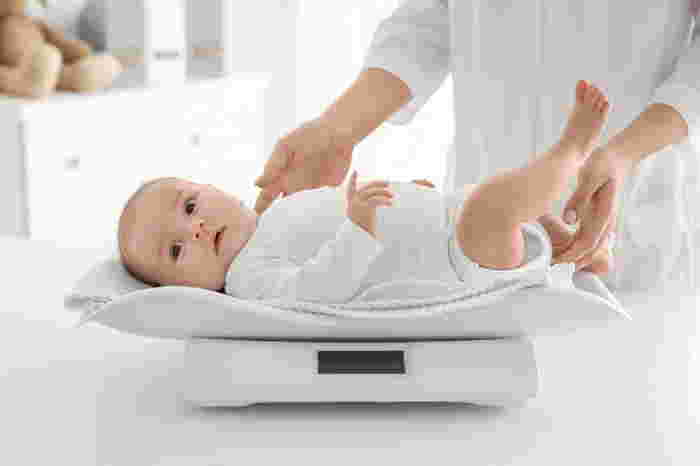
Signs that your little one is experiencing cerebral palsy that parents need to be aware of.
Developmental delays are a major clue that a child may have cerebral palsy. Be especially alert if your child is late in rolling over, sitting up, crawling, or walking.
2. Abnormal Muscle Tone
Your child may have cerebral palsy if any part of the body is floppy or too stiff. For example, when he feels floppy when picked up.
3. Abnormal Posture
Be alert when your child seems to use one side of his body more often when crawling or moving.
Cerebral Palsy Signs According to Child’s Age
In addition to these signs, here are some specific signs of cerebral palsy according to the child’s age:

Signs that your little one is experiencing cerebral palsy that parents need to be aware of.
Babies Under 6 Months
- Unable to lift head when lifted from lying supine.
- Feels stiff or droopy.
- When lifted, their legs become stiff or crossed.
- When held, they may stretch their back and neck, constantly acting as if they are avoiding you.
Babies Over 6 Months

Signs that your little one is experiencing cerebral palsy that parents need to be aware of.
- Can’t roll over.
- Can’t bring hands to mouth.
- Having trouble putting their hands together.
- Reach out with just one hand while holding the other.
Babies Over 10 Months
- Crawling at an angle and pushing with one hand
- Unable to stand even with help.
Diagnosis

Consult a doctor if you are concerned that your child is experiencing developmental delays. If necessary, the doctor can refer to a specialist team that can perform certain assessments to diagnose cerebral palsy.
CP can usually be diagnosed by the time a child is one or two years old. However, if a child’s symptoms are mild, it can sometimes be difficult to make a diagnosis until the child is a little older.
Your child may undergo several tests to check for cerebral palsy or other possible causes of his or her symptoms. Assessments of your child’s movement and learning abilities may also be performed.
In addition to developmental evaluation, additional tests may be performed to look for the cause of CP. The specialist may suggest:
- Cranial ultrasound scan
- MRI scan
- CT scan
- Electroencephalogram (EEG)
- Electromyogram (EMG)
- Blood test.
Cerebral Palsy Treatment
Cerebral palsy is a chronic, long-term medical condition. There is no cure for it, but there are ways to help a child with cerebral palsy.
Children and adults with cerebral palsy may require lifelong care from medical professionals. There is no cure for cerebral palsy, but there are many treatment options that can help improve the quality of life for those with symptoms.
These treatment options may include medications, therapy, surgical procedures, and other treatments as needed. These include the following:
Early Intervention
Early intervention programs can help babies who are behind in their development. A team may include a behavioral specialist, physical therapist, nurse, and social worker. They teach family exercises and provide tips for helping babies learn new skills.
Physical Therapy
Physical therapists are specialists who work with children on stretching and strengthening exercises. They help children learn new movements, such as rolling over, sitting up, or walking.
Muscle training and exercises can help your child’s strength, flexibility, balance, motor development, and mobility. You ’ll also learn how to safely care for your child’s daily needs at home, such as bathing and feeding your child. The therapist can provide guidance on how you can continue muscle training and exercise at home between therapy visits.
During the first 1 to 2 years after birth, physical and occupational therapists work on issues such as head and trunk control, rolling, and grasping. Later, both types of therapists are involved in wheelchair assessments.
Occupational Therapy
These specialists help children learn to perform everyday tasks. They use a combination of exercises and finding ways to overcome challenges.
Occupational therapists work to help children gain independence in daily activities and routines at home, school, and in the community. Adaptive equipment recommended for children may include walkers, wide-base canes, standing and sitting systems, or power wheelchairs.
Speech Therapy
Speech therapists can help children learn how to talk and communicate in other ways. Speech-language pathologists can help improve a child’s ability to speak clearly or communicate using sign language. They can also teach the use of communication devices, such as computers and voice synthesizers , if communication is difficult. Speech therapists can also address feeding and swallowing difficulties.
Recreational Therapy
Some children benefit from regular recreational or competitive or adaptive sports, such as therapeutic horseback riding or skiing. This type of therapy can help improve a child’s motor skills, speech, and emotional well-being. Both adults and children benefit from regular physical activity and exercise for overall health and well-being.
Device Assistance
Different types of equipment may be helpful for children with cerebral palsy . Leg braces can support their legs while they learn to walk. Arm braces can support the arms or hands in a normal position. Other types of assistive devices include communication keyboards , special wheelchairs, and chairs to help with sitting.
Operating Procedure
Surgery may be needed to reduce muscle tension or correct bone deformities caused by spasticity. These treatments include:
- Orthopedic surgery . Children with severe contractures or deformities may need surgery on the bones or joints to put their arms, spine, hips, or legs into the correct position. Surgical procedures can also lengthen muscles and lengthen or reposition tendons that are shortened by contractures. This correction can reduce pain and improve mobility. It can also make it easier to use a walker, brace, or crutches.
- Cutting the nerve fibers (selective dorsal rhizotomy) . In some severe cases, when other treatments don’t help, the surgeon may cut the nerves that serve certain spastic muscles in a procedure called selective dorsal rhizotomy. This relaxes the muscles in the leg and reduces pain, but it can cause numbness.
Drugs
Medications can help when therapy is not enough. This may include medications to help with muscle tone, or injections to relax certain muscles. This can help your child participate in therapy.
According to the Mayo Clinic page , several types of drugs used to treat cerebral palsy are:
- Muscle or nerve injections . To treat certain muscle tightening, your doctor may recommend injections of onabotulinumtoxinA (Botox), or other agents. The injections need to be repeated every three months. Side effects can include pain at the injection site and mild flu-like symptoms. More serious side effects include difficulty breathing and swallowing.
- Oral muscle relaxants . Medications such as baclofen, tizanidine (Zanaflex), diazepam (Valium) or dantrolene (Dantrium) are often used to relax muscles. In some cases, baclofen is pumped into the spinal cord with a tube (intrathecal baclofen). The pump is surgically implanted under the skin of the abdomen.
- Medications to reduce saliva . One option is Botox injections into the salivary glands.
Other Treatments
If needed, medications and other treatments may be recommended for seizures, pain, osteoporosis, mental health conditions, and problems with sleep, oral health, eating and nutrition, bladder incontinence, vision, or hearing.
Talk to your doctor about the benefits and risks and possible side effects of the recommended treatment options.
Prevention
Most cases of cerebral palsy cannot be prevented, but you can reduce your risk. If you are pregnant or planning to become pregnant, you can take steps to stay healthy and minimize pregnancy complications such as:
- Vaccination against infections that can cause fetal brain damage.
- Routinely perform prenatal check-ups .
- Avoid alcohol, tobacco, and illegal drugs when planning to become pregnant or during pregnancy.
How to Keep Children with Cerebral Palsy Healthy
Your pediatrician and care team will also help keep your child healthy by watching for medical problems that sometimes accompany cerebral palsy . Ongoing care can also help prevent complications.
Quoted from the American Academy of Pediatrics (AAP) page, some treatments for children with cerebral palsy are:
Problems Associated with Cerebral Palsy
Every child is different. For some children with cerebral palsy , additional tests may be needed to look for problems that can occur along with cerebral palsy. These may include learning problems, seizures or epilepsy, vision difficulties, and hearing loss. Your pediatrician will help you create a plan for your child.
Prevent Joint and Bone Complications
Children who are sedentary, especially those who spend a lot of time in the same position, can develop “contractions.” This is when a joint becomes stuck in one position. Stretching can help prevent this complication. Children who are not standing or walking are also at risk for low bone density (osteopenia) and scoliosis (too much curvature of the spine). Your pediatrician and other members of your care team will help watch for any early problems and help with a plan to avoid or treat these complications.
***
Cerebral palsy is a condition that cannot be treated or prevented, but with the development of the times, many ways have been found to diagnose it. Early intervention can help improve a child’s quality of life. Hope it helps!


 Together Against RSV
 Pregnancy
 Parenting
 Child
Child Feeding & Nutrition
 Education
 Lifestyle
 Events
 Holiday Hub
 Aptamil
 TAP Recommends
 Shopping
 Press Releases
 Project Sidekicks
 Community
 Advertise With Us
 Contact Us
 VIP
VIP Rewards
 VIP Parents
