Nothing compares to breast milk when it comes to nourishing your baby. Scientifically designed by nature, it provides unmatched nutritional, immunological, and developmental benefits that formula simply cannot replicate.
Understanding how it’s produced, what affects its quality, and why it’s so beneficial can help mothers make informed choices about infant feeding.
How Is Breast Milk Produced?
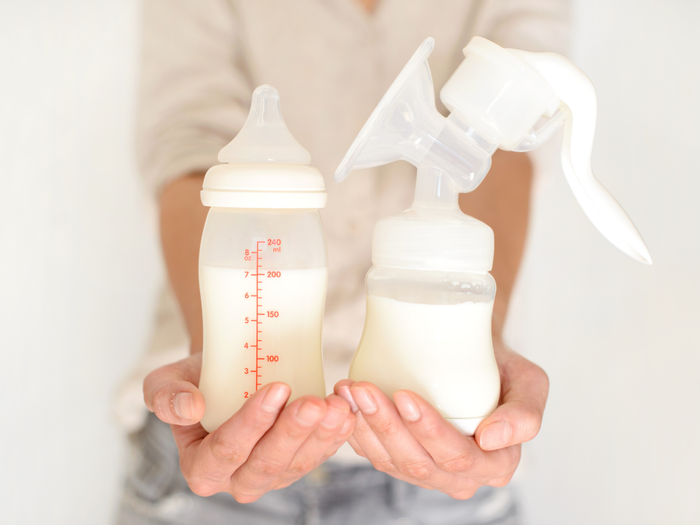
Facts About Breast Milk: Why It’s the Best Nutrition for Babies
Breast milk is created through a fascinating, multi-phase process that begins during pregnancy and adapts to your baby’s needs after birth:
1. Lactation Stages
-
Colostrum Production (Secretory Differentiation): Begins in late pregnancy, this thick, yellowish milk is packed with antibodies and nutrients, preparing the baby’s gut and immune system.
-
Milk Coming In (Secretory Activation): Around 2–3 days postpartum, hormonal shifts trigger full milk production.
-
Milk Maintenance (Galactopoiesis): Continued milk production depends on how often and how well your baby nurses. More nursing = more milk.
2. Key Hormones in Milk Production
-
Prolactin: Stimulates milk production in the alveoli (milk-producing cells).
-
Oxytocin: Causes the “let-down reflex,” allowing milk to flow through ducts to the nipple.
3. Anatomy in Action
The breast contains clusters of alveoli surrounded by muscle cells. When stimulated by baby’s suckling, the milk is pushed through ducts to the nipple, ready to nourish.
What Affects Breast Milk Quality?
Many factors can influence the richness, composition, and volume of breast milk:
1. Baby’s Needs
Breast milk dynamically adapts to your baby’s health and stage. Remarkably, your baby’s saliva signals changes to your body during nursing. This “baby spit backwash” informs your body to adjust the milk’s immunological properties, especially when your baby is sick.
2. Maternal Diet and Health
-
A nutrient-rich diet boosts the quality of breast milk.
-
Key nutrients include iodine, calcium, DHA, protein, vitamins A, B12, and D (though vitamin D may require supplementation).
-
Alcohol, tobacco, certain medications, and environmental toxins (like pesticides and mold toxins) can impair milk quality.
3. Frequency of Feeding
Milk supply is demand-driven. Infrequent feedings, poor latch, or stress can reduce supply.
4. Storage Practices
Fresh breast milk retains the highest nutrient and immune factor levels. While refrigeration and freezing are effective, extended storage can degrade certain antibodies and enzymes.
Top Benefits of Breast Milk

Facts About Breast Milk: Why It’s the Best Nutrition for Babies
1. Immune Protection
Breast milk contains:
-
Secretory IgA antibodies: Shield the gut lining.
-
Lactoferrin: Binds iron, stopping harmful bacteria from growing.
-
White blood cells, enzymes, and cytokines: Fight infections and inflammation.
-
These components reduce the risk of illnesses like gastroenteritis, pneumonia, ear infections, and more.
2. Brain and Body Development
-
Rich in DHA and ARA (omega-3s) crucial for brain and eye development.
-
Ideal balance of proteins, fats, and carbohydrates for healthy weight gain and growth.
-
Supports the development of a healthy gut microbiome.
3. Long-Term Health Benefits
Breastfed babies are at lower risk for:
4. Benefits for Moms
-
Accelerates postpartum recovery.
-
Reduces the risk of breast and ovarian cancers.
-
Lowers the risk of type 2 diabetes and high blood pressure.
Why Breast Milk Is the Gold Standard
Breast milk isn’t just food. It’s a living, responsive substance that adapts to your baby’s ever-changing needs. It delivers unmatched protection, perfect nutrition, and essential developmental support, making it the most powerful start you can give your child.
Whether you breastfeed exclusively, pump, or supplement, understanding how breast milk works helps you appreciate the unique power your body holds to nourish and protect your baby.


 Together Against RSV
 Pregnancy
 Parenting
 Child
Child Feeding & Nutrition
 Education
 Lifestyle
 Events
 Holiday Hub
 Aptamil
 TAP Recommends
 Shopping
 Press Releases
 Project Sidekicks
 Community
 Advertise With Us
 Contact Us
 VIP
VIP Rewards
 VIP Parents
