Spinal Muscular Atrophy (SMA) is a genetic condition that every parent should be aware of, as it can significantly impact a child’s muscle control and movement. In an insightful interview with Dr Jocelyn Lim, Consultant in the Neurology Service at KK Women’s and Children’s Hospital, we delve into what SMA is, its progression, and why early detection is essential.
What is Spinal Muscular Atrophy?
SMA is a rare disorder where nerves that control muscles gradually weaken and die. This condition primarily affects infants and young children, leading to varying degrees of muscle weakness. There are three main types of SMA:
Type 1 SMA
Type 1 SMA is the most severe and is usually noticeable before a baby turns six months old. These infants often have difficulty controlling their head movements, sitting up on their own, and even crying loudly. Without treatment, the outlook is often bleak, with many children not surviving past two years.
Type 2 SMA
Type 2 SMA typically becomes evident between six and eighteen months of age. Children with this type can sit independently but are unable to stand or walk. They often rely on wheelchairs and face challenges such as respiratory issues and difficulty eating.
Type 3 SMA
Type 3 SMA is less severe, with symptoms appearing later, usually between 18 months and 10 years of age. These children can walk but tend to lose strength over time, which can affect their mobility.
Why Early Detection of Spinal Muscular Atrophy Matters
It’s crucial for parents to be informed about the signs of Spinal Muscular Atrophy early on. Dr Lim explains that about 60% of SMA cases are Type 1, appearing within the first six months. Key signs to watch for include poor head control, floppy limbs, difficulty feeding, and a weak cry. If you notice any of these symptoms, it’s important to consult a paediatrician or neurologist immediately.
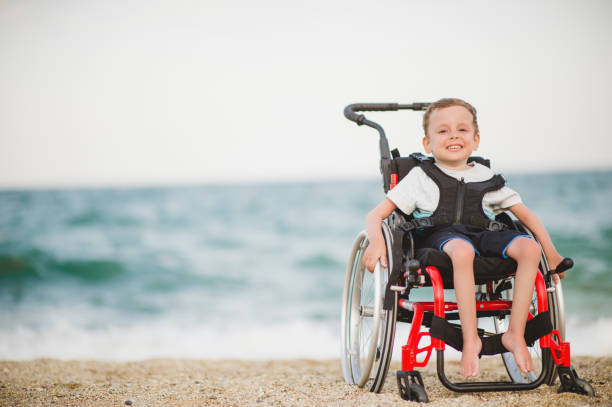
Image from iStock
Early detection can make a significant difference in your child’s quality of life. Timely intervention can slow the progression of the disease and help manage symptoms better. However, diagnosing SMA can be tricky, as its early signs may be subtle and easily mistaken for other conditions.
Understanding Your Baby’s Development
While every baby develops at their own pace, there are certain milestones that shouldn’t be missed. For example, by six months, most babies should be able to hold their heads up, roll over, and show some strength in their limbs. If you notice that your baby is struggling with these tasks or seems unusually weak, don’t wait—get it checked out.
If you suspect something is wrong, trust your instincts and seek medical advice early. It’s always better to be safe and catch potential issues sooner rather than later.
How is SMA Diagnosed?
Spinal Muscular Atrophy can be diagnosed with a simple blood test that checks for the presence of the SMN1 gene. If this gene is missing or faulty, further tests can determine how severe the condition might be. While routine newborn screening for SMA isn’t yet common in Singapore, regular developmental checks during vaccinations can help spot early warning signs.
Treatment and Support in Singapore
In Singapore, there are several treatment options available for children with SMA. These include gene therapies and medications that help manage symptoms. Early treatment is crucial because once motor neurons are lost, they can’t be recovered. In addition to medical treatments, supportive care such as physiotherapy and occupational therapy plays a vital role in helping children maintain their muscle function and mobility.
It’s important to note that managing SMA is a team effort. Alongside medical treatments, your child will benefit from a multi-disciplinary approach that includes regular therapy, nutrition support, and respiratory care.
Raising Awareness About Spinal Muscular Atrophy
Awareness campaigns, such as SMA Awareness Month, are essential in educating the public about this rare condition. These initiatives help reduce stigma and empower parents with the knowledge they need to seek early intervention.
By staying informed, you can help ensure your child gets the best possible care and support.
Final Thoughts
Spinal Muscular Atrophy is a serious condition, but with early detection and comprehensive care, children with SMA can lead fuller, more active lives. Dr Jocelyn Lim’s insights highlight the importance of being vigilant about your child’s development and seeking prompt medical advice if you notice any concerning signs. By raising awareness and staying informed, we can improve the outcomes for children affected by SMA.
ALSO READ:
38-Year-Old Who Lost 6 Babies to the Same Rare Condition Bravely Shares Her Story
Parents Appeal for Donations to Treat Rare Genetic Disorder in 3-Month-Old Singaporean Baby
Stay Alert: Don’t Ignore These Minor Conditions in Your Newborn


 Together Against RSV
 Pregnancy
 Parenting
 Child
Child Feeding & Nutrition
 Education
 Lifestyle
 Events
 Holiday Hub
 Aptamil
 TAP Recommends
 Shopping
 Press Releases
 Project Sidekicks
 Community
 Advertise With Us
 Contact Us
 VIP
VIP Rewards
 VIP Parents
