Moms, have you ever included pasta in your little one’s complementary food menu? When your child is bored with rice, pasta dishes can be a great alternative. Especially now that there are many baby pasta options available, making them perfect finger foods for your little one.
Pasta is a food made from flour or starch that is shaped into various shapes. It is served by boiling quickly and seasoning it with sauce and spices. This dish may be found in many countries, but the name pasta originates from Italy.
When Can Babies Eat Pasta?
Source: freepik
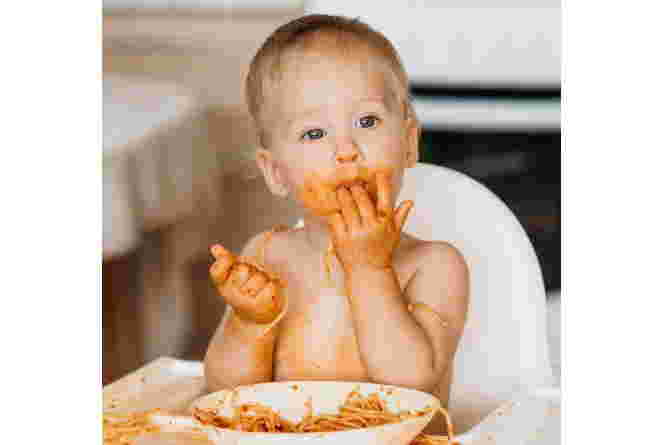
Pasta can be introduced as soon as the baby starts eating solid foods. American Academy of PediatricsThe U.S. Food and Drug Administration recommends babies start trying solid foods between 4 and 6 months of age. However, pasta should be adapted to the child’s chewing ability. Others suggest introducing pasta to babies around 7-8 months of age. This is due to their digestive systems being considered more mature.
Pasta often contains eggs and wheat, which are known allergens . Therefore, before deciding to introduce pasta, parents should consider their child’s allergy history. If it’s confirmed that your child isn’t allergic to these two ingredients, then they can start introducing pasta.
Benefits of Consuming Pasta for Babies
Pasta is generally made from rice flour and wheat flour, but there are some types of pasta made from flour derived from legumes, such as black beans and soybeans. Some pastas are also fortified with several vitamins and minerals beneficial for babies, such as iron and vitamin B3. Here are some of the benefits of pasta for babies:
1. Energy source for babies
All pasta, regardless of type, contains a significant amount of carbohydrates to provide energy to a growing baby’s body. Energy is not only needed for the body but also for brain development. Therefore, carbohydrates are essential for babies.
2. Source of selenium and manganese
According to LiveStrong , pasta made from white flour or whole wheat can be a good source of selenium. Selenium is a mineral that activates antioxidant enzymes responsible for protecting cells from molecular damage. Pasta also contains manganese, a mineral that helps the body metabolize carbohydrates and regulate blood sugar.
3. Contains Vitamin B-9 which is good for development
Pasta made from flour contains folate, or vitamin B-9. This substance is beneficial for red blood cell development and supports rapid cell growth.
4. Good source of fiber for digestion
Fiber helps fight chronic diseases, including obesity and type 2 diabetes. In infants, fiber can help the body improve digestive health.
Types of Pasta for Babies According to Age Stage
Every baby has their own developmental stage. Each baby also has a different ability to chew food.Solid Starts, several types of pasta can be consumed by babies as an alternative menufinger food.
Babies’ grasping abilities naturally vary. Therefore, the types of pasta suitable for each age group also vary. Here are some pasta types suited to each baby’s abilities:
Pasta for Ages 6-9 months
Source: pixabay
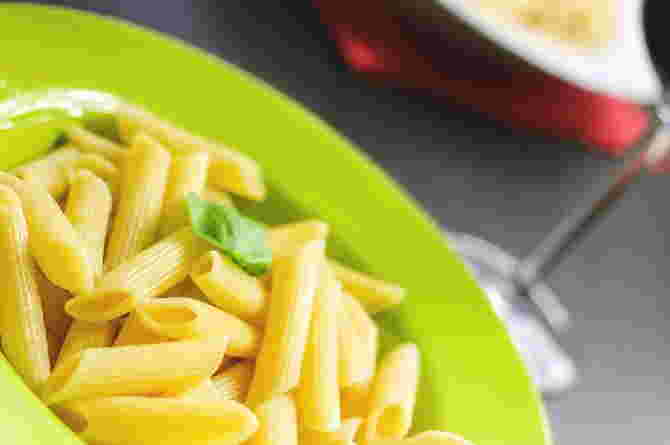
At this age, babies’ grasping skills are still immature. To accommodate this, it’s best to choose pasta with large tubes, such as penne, rigatoni, or ziti. Pasta may be too slippery for babies to grasp, so parents can use spaghetti or noodles cut into shorter pieces.
Tips:
- Use kitchen scissors to cut the noodles so they are not too long.
- Place it in a bowl and provide a spoon so your child can learn to scoop or hold it too.
Age 9-12 Months
Source: freepik
At this age, babies begin to develop the ability to pinch with their hands (where the thumb and index finger meet). This allows them to pick up smaller pieces of food.
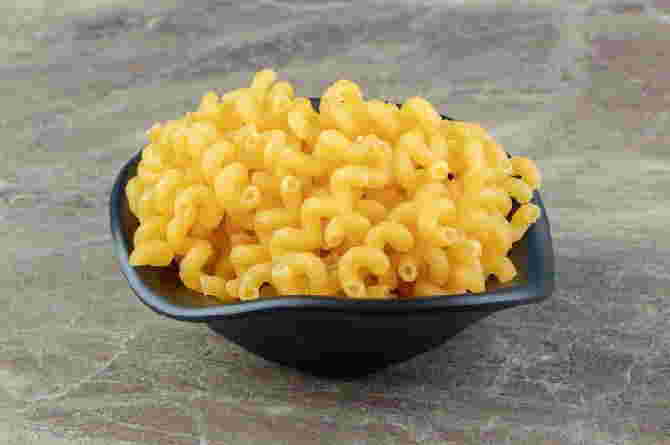
Macaroni and ravioli pasta cut into quarters are suitable. You can also use tube-shaped pasta cut into smaller pieces.
If your baby is still struggling, it’s okay to serve pasta in larger pieces. This will help develop biting, chewing, and grinding skills.
Age 12-18 Months
Source: pixabay
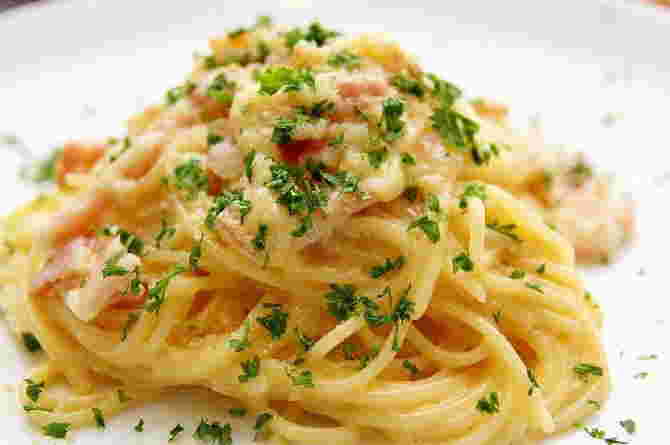
At this age, toddlers may be more adept at picking up and grasping long, thin noodles. Offer a wider variety of noodle shapes and textures, but serve them in smaller pieces, such as spaghetti, ramen, or rice noodles.
At this stage, babies can also learn to use a spoon or fork. However, it’s okay if they still use their hands to pick up food.
Age 18-24 Months
Source: pixabay
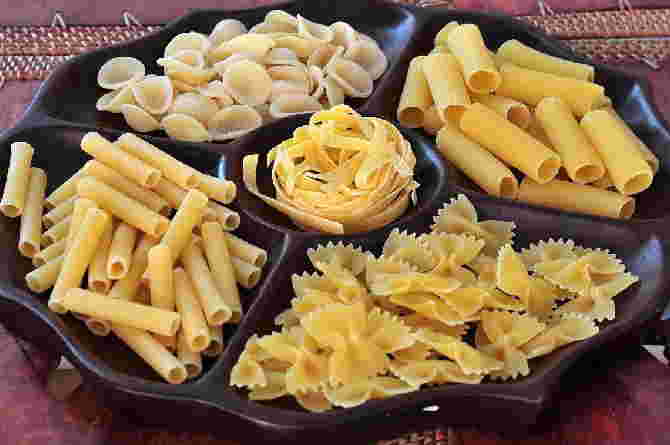
By nearly 2 years old, babies generally begin eating full family meals. At this age, babies can also eat any type of pasta. Toddlers can also be taught to use chopsticks or a fork to pick up noodles.
So, there you have it, various types of pasta for babies that are age-appropriate. Besides being delicious, this food is also rich in benefits. So, don’t hesitate to give pasta to your little one as part of their complementary feeding, Moms. Pasta is safe for babies as long as it’s appropriate for their age.
Republished with permission from theAsianParent Indonesia


 Together Against RSV
 Pregnancy
 Parenting
 Child
Child Feeding & Nutrition
 Education
 Lifestyle
 Events
 Holiday Hub
 Aptamil
 TAP Recommends
 Shopping
 Press Releases
 Project Sidekicks
 Community
 Advertise With Us
 Contact Us
 VIP
VIP Rewards
 VIP Parents
