In this modern era, there are still parents who do not know how to applyfeeding rulesMPASI to their children. Therefore, there are still problems related to ‘children who have difficulty eating’, ‘children who are not eating’, to ‘children who are malnourished’ due to lack of nutrition from food.
Don’t worry, you can avoid this by implementing some basic feeding rules as recommended by WHO and other health institutions below.
What is MPASI Feeding Rules?
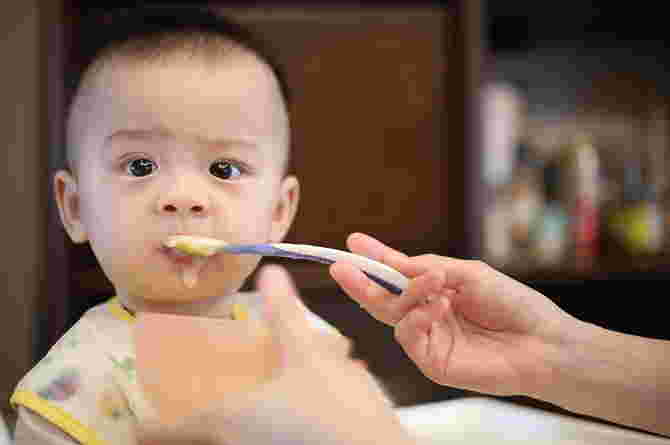
WHO and UNICEF recommend feeding rules (feeding rules) basic in infants as follows:
- Early initiation of breastfeeding (IMD) is given within 1 hour after the baby is born.
- Exclusive breastfeeding is carried out during the first 6 months of a baby’s life.
- The introduction of complementary (solid) foods that are nutritious and safe for babies is given starting at the age of 6 months together with continued breastfeeding until the child is 2 years old or older.
The first two years of a child’s life are a very important phase. Because, providing optimal nutrition during this period can reduce morbidity and mortality, reduce the risk of chronic diseases, and encourage better overall development in the child’s life.
Despite this, there are still many babies and children who do not get optimal food. On its website, the World Health Organization (WHO) wrote that only around 44% of babies aged 0–6 months worldwide were given exclusive breastfeeding during the period 2015-2020.
Meanwhile, optimal breastfeeding has so far saved the lives of more than 820,000 children under the age of 5 each year. Malnutrition is also still associated with the deaths of 2.7 million (or around 45%) children each year.
Many factors cause children to experience malnutrition problems. Such as the inability of parents to provide food related to economy, insight, or behavior (laziness), children do not like, are picky, or are not used to consuming healthy food.
These factors certainly arise because of something that underlies them. For example, babies are not accustomed to eating healthy foods, their meal times are irregular, or the texture of their food does not match their oral abilities.
Therefore, it is necessary to have basic rules for properly feeding children starting from when they are introduced to complementary foods (MPASI) or what is known asfeeding rulesMPASI.
Aboutfeeding rulesMPASI for children will be discussed in full below.
Practice of MPASI Feeding Rules
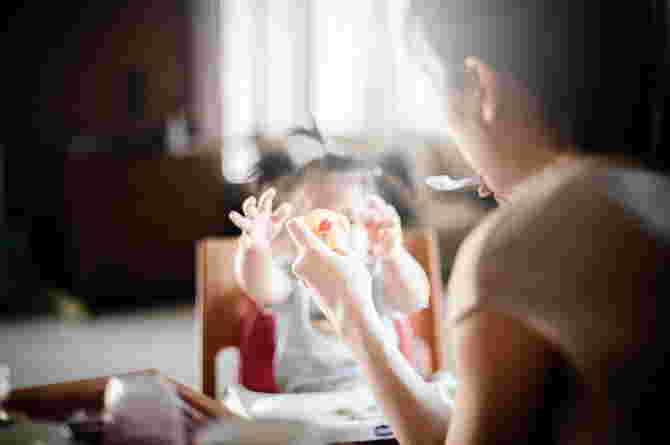
So far, your baby has only known breast milk with its liquid texture. The way to consume it is also – for the majority of babies – from the mother’s breast or a bottle. Well, at the age of six months, he can already consume solid foods.
What can you do when introducing these foods? Here are some things you can do:feeding rulesMPASI from Cleveland Clinic that mothers can follow when feeding babies in the first year of life.
1. Feeding Rules MPASI Starts with Small Portions
Whatever food you choose for your little one, start with a portion of one (1) teaspoon and give it slowly. After that, increase the giving by giving 1 tablespoon, then 1 small bottle (about four ounces or one cup), up to 1 bowl.
2. Can be started with just 1 single ingredient
There are mothers who start with one type of dry baby rice cereal, fruit, or vegetable first. The single ingredient is served by mixing it with breast milk/formula until the texture is runny and soft.
3. Feeding Rules for MPASI When Introducing New Foods
Wait 3-5 days before introducing new foods to your little one. The goal is to assess the possibility of an allergic reaction, such as diarrhea, vomiting, or rash. If a reaction occurs, stop giving the allergenic food and take your child to the doctor.
4. Making Your Own Food is One of the Feeding Rules for Baby Food
This is because it is healthier and more hygienic, and mothers also know more about what nutrients their babies need. If you make your own baby food, it is recommended to use pea porridge, corn porridge, and sweet potatoes.
Avoid making homemade spinach, beets, green beans, pumpkin and carrots, as they contain nitrates which can cause anemia (low blood count). While baby food products containing these types of foods are safer because they have been tested for nitrate content.
5. Avoid Food Flavorings
Do not add flavor to baby food with salt, sugar, or other flavorings.
6. MPASI Feeding Rules: Avoid Fruit Juice
The American Academy of Pediatrics recommends against giving fruit juice to infants under 1 year old. Unless it is 100% pasteurized fruit juice (no added sugar), it should only be given to older infants, limiting their intake to 4 ounces per day.
7. Don’t drink too much water
Drink? Yes, but only a little, about a few spoonfuls to make it easier for him to swallow – not a whole cup/bottle. Babies still need milk to keep them hydrated.
8. Increase Food Texture Slowly
When the baby’s hands can pick up objects and bring them to the mouth (usually around 9 to 12 months), it is a sign that Budna can increase the texture of his food. Babies aged 9-12 are usually able to eat on their own (finger food), and 12-month-old babies can learn to use a fork or spoon.
9. Limit Meal Times, MPASI Feeding Rules That Are Often Ignored by Parents
Limit your little one’s mealtime to just 15-20 minutes and avoid eating while doing other things, such as watching TV or walking in the park.
10. Don’t Forget Snacks
Most babies need to eat 3-6 times a day, three of which should be solid foods and the rest snacks.
11. MPASI Feeding Rules: Must be Rich in Nutrition
Good foods for babies include foods rich in energy, protein, vitamins, and minerals, such as meat, poultry, fish, various fruits and vegetables. Meanwhile, foods that babies should avoid include spicy, salty, and sweet foods. Also, foods that can cause choking such as nuts, seeds, popcorn, chips, raw foods, raisins, whole grapes, and sticky foods such asmarshmallow.
Feeding Rules for MPASI According to WHO
WHO also added guiding principlesfeeding rulesOther MPASI, namely:
- Continue and frequently breastfeed. Support your little one to breastfeed until he/she is 2 years old or more.
- Responsive feeding practices. For example, the mother feeds the baby directly and helps him eat properly.
- Slowly and patiently. Feed your little one slowly and patiently. Encourage them to eat without forcing (or yelling) by using words of affirmation and good eye contact.
- Practice proper hygiene and food handling.
- Start with small amounts and increase gradually as your child gets older.
- Increase the frequency of your child’s meals. For example: 2-3 times a day for babies aged 6-8 months; 3-4 times a day for babies aged 9-23 months plus 1-2 snacks as needed.
- Provide supplements. Provide supplements to your child’s food such as vitamin-mineral supplements according to their needs.
- Increase hydration , especially when your child is sick, by continuing to breastfeed or drink water as needed.
Daily Portions and Intake Based on Baby’s Age
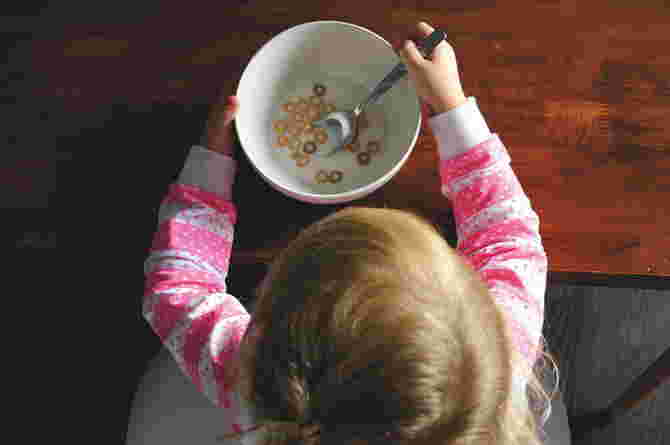
0 to 4 months:
- Breast milk or formula 2-4 ounces
- MPASI 8-12 times
4 to 6 months
- Breast milk or formula 6-8 ounces
- MPASI 4-6 times = Baby cereal 1-2 tablespoons (tbsp).
6 to 8 months
- Breast milk or formula 6-8 ounces
- MPASI 3-5 times three to five = Baby cereal 2-4 tbsp,crackers2, 1/2 slice of bread, 0-3 ounces of juice/water, 2-3 tablespoons of fruit/vegetables, 1-2 tablespoons of meat or beans.
8 to 12 months
- Breast milk or formula 6-8 ounces
- MPASI 3-4 times = Cheese 1/2 ounce or yoghurt 1/2 cup, baby cereal 2-4 tablespoons, bread 1/2 slice,crackers2 or 3-4 tbsp pasta, 3 oz juice/water, 3-4 tbsp fruit/vegetables, 3-4 tbsp meat or beans.
While babies do not need additional water or juice to hydrate, water or juice is recommended after 12 months of age. When you do, it is recommended that you give it in a cup to help with the transition from the bottle.
Additional Tips:
- Warm baby food in a bowl or (covered) bottle in a pan of warm water or under warm running tap water. Shake the container occasionally to make sure the contents are evenly heated.
- Always feed your baby upright with a spoon. For children with special needs, consult a therapist about adaptive seating/eating for them.
- Do not let your child fall asleep with food/a bottle in his/her mouth. This can cause tooth decay, risk of choking and ear infections.
- Do not give solid foods in a bottle. This can also cause choking or overeating, as well as slowing the development of baby’s eating skills.
- Cow’s milk should not be added to the diet until the baby is 1 year old.
- Honey is not recommended for babies under 1 year old because it can cause botulism (a condition caused by a toxin).
- Wean your baby off the bottle after his first birthday.
- Accompany your baby while he eats and encourage him to eat/drink well and finish it.
- Do not delay giving allergy-triggering foods, such as peanuts, eggs and fish, because it is not certain that this can cause allergies in babies . These foods are foods that prevent eczema, asthma, allergic rhinitis, and allergies, and introducing them early to babies can actually reduce the risk of allergies to these foods.
GTM Child

GTM is an abbreviation of ‘Mouth Closing Movement’ which is usually given to babies who have difficulty eating when entering the MPASI stage. Reporting from the pageIDAI, There are various factors that cause this, including:
- Underlying organic disease/disorder
- Biological interactions and environmental factors, especially family
- Inappropriate provision of nutrition regarding food composition, texture and method of administration
In this case, parental behavior plays an important role infeeding rulesMPASI for children. Because, it is parents who first introduce food to children and teach children the correct way to eat.
MPASI Feeding Rules to Overcome GTM Children
To help mothers overcome GTM problems in children, follow the practical theoryfeeding rulesBernard-Bonnin’s MPASI in the journalCanadian Family Physicianthe following:
Timetable
- Make a schedule for main meals and snacks (snacks) which is regular.
- Feeding should not take more than 30 minutes.
- Do not offer other snacks during meals, except drinks.
Environment
- Babies eat in a pleasant environment (no force to eat).
- Prepare napkins as table mats to avoid a mess.
- No distractions (toys, television, electronic game devices) during mealtimes.
- Don’t give food as a reward.
Procedure
- Give food in small portions.
- Give the main food first, then finish with a drink.
- Encourage children to feed themselves.
- If your child shows signs of not wanting to eat (closing their mouth, turning their head away, or crying), offer food again in a ‘neutral’ way, that is, without coaxing or forcing.
- If after 10-15 minutes the child still does not want to eat, end the feeding process.
- Budna is only allowed to clean the child’s mouth after he has finished eating.
By doing exactly asfeeding rulesMPASI, it is hoped that your little one will not experience GTM again.
7 Causes of GTM in Children

1. Refusing Food
There are many reasons why babies refuse food. Maybe they are full, tired, disturbed by the situation or the air around them, or the baby is sick. And every baby will usually go through this phase.
2. Rejecting New Foods
Almost every child goes through a period of refusing new foods. Fortunately, most children grow out of this, although sometimes it can last for weeks or even months.
If your baby shows a dislike for a food, get creative by making the new food you make look like his favorite food. For example, when introducing sweet potatoes, mash them and mix them with his favorite carrots.
Then, start the new food in very small portions. Let him eat 3 bites. If he likes it, continue. But if not, don’t overreact, Mom can give it again at the next mealtime.
Baby’s food needs are different from adults, as are their meal schedules. So don’t worry, Mom, if he is hungry, generally babies will hit the spoon. Or if he is full, he will turn his face away or close his mouth.
What is certain, always give your little one healthy food and avoid…junk food. If your baby’s condition worries you, consult your pediatrician immediately.
3. Fussy and Picky Eater
This is something that many parents complain about: “My baby picky eater!”
Be patient, Mom, maybe he is fussy because he is teething, tired, or not ready for solid food. Just try to give him food that is familiar to his eyes to give him comfort, while occasionally interrupting his mouth with new food.
4. Choking
Some babies can already eat solid foods at the age of 4-6 months. However, because the ability of babies at that age is not yet able to chew and swallow food properly, not a few also experience choking or vomiting.
If your baby is having trouble swallowing solid foods, try reducing the amount on the spoon. If he still chokes, it’s a sign that he’s not ready for solid foods.
5. Make a Mess
The term is “feeding the floor” (feeding on the floor) because every time a baby eats, a lot of food is wasted/scattered on the floor. When eating, babies spend more time playing and dropping food than eating it.
Usually, signs of independence to feed themselves in babies begin to appear at the age of 9 months. At that time, they start to want to take control of their food: Holding a spoon and spooning food into their mouths.
Even if there is ‘chaos’, just let it be, Mom. This step is important in helping babies learn, grow, and become more independent. To reduce it, pairslabber(bibpouch) on its neck.
6. Food Allergies and Intolerances
Food allergies (immune-related) occur in up to 8% of children and can appear suddenly. Symptoms range from diarrhea, vomiting, rashes, and stomach pain to breathing problems and swelling of the face/body. The most common food allergies in children are milk, soy, eggs, wheat, nuts, and shellfish.
Food intolerances in children are more common than food allergies. While the symptoms may be similar—gas, bloating, diarrhea, and abdominal pain—food intolerances involve a baby’s digestive system, not their immune system. These problems are most commonly related to lactose, corn, or gluten.
7. Spitting Up, Reflux, or Vomiting
Almost all babies spit up at some point. You can reduce the chances of your baby spitting up by burping him regularly, avoiding overfeeding, keeping him upright while eating, and not doing physical activities after eating.
Reflux is when the contents of the stomach come back up into the baby’s esophagus. To help manage reflux, feed your baby smaller or slower meals, loosen their diaper after feeding, keep them upright after feeding for at least 30 minutes, and refrain from playing after feeding.
While vomiting can be caused by many things, such as an immature digestive system, infection, medication, motion sickness, and many more. Although it can heal on its own, do not ignore it when your baby experiences it.
If vomiting occurs for more than 24 hours, take your baby to the doctor immediately because there is a risk of dehydration. Especially in your baby’s vomit you see blood, the child looks in pain, or is accompanied by diarrhea.
Forceful vomiting in babies can be caused by a physical condition calledpyloric stenosis, which is a condition that prevents food from moving into the intestines from the stomach.
Problem withfeeding rulesMPASI can be caused by many things. So there is nothing wrong with consulting a pediatrician or nutritionist if you continue to feel worried, especially if the baby is not growing properly or not reaching his/her growth milestones.
Call your pediatrician if your baby continues to lose weight, seems lethargic, dehydrated, has persistent vomiting, choking, or diarrhea, or other symptoms.
It is hoped that with thisfeeding rulesThere’s no more drama every time your little one wants to eat MPASI, right, Mom?
Republished with permission from theAsianParent Indonesia


 Together Against RSV
 Pregnancy
 Parenting
 Child
Child Feeding & Nutrition
 Education
 Lifestyle
 Events
 Holiday Hub
 Aptamil
 TAP Recommends
 Shopping
 Press Releases
 Project Sidekicks
 Community
 Advertise With Us
 Contact Us
 VIP
VIP Rewards
 VIP Parents
