Is it true that you can’t get pregnant while breastfeeding? Not necessarily. While breastfeeding, you can still get pregnant. However, the chances of conceiving are low. Injectable contraception for breastfeeding mothers is one type of contraception to prevent pregnancy after giving birth.
The contraceptive injection is used to release the hormone progestogen into the mother’s bloodstream to prevent pregnancy.
Let’s look at some explanations about contraceptive injections for breastfeeding mothers.
Understanding How Injectable Contraceptives Work
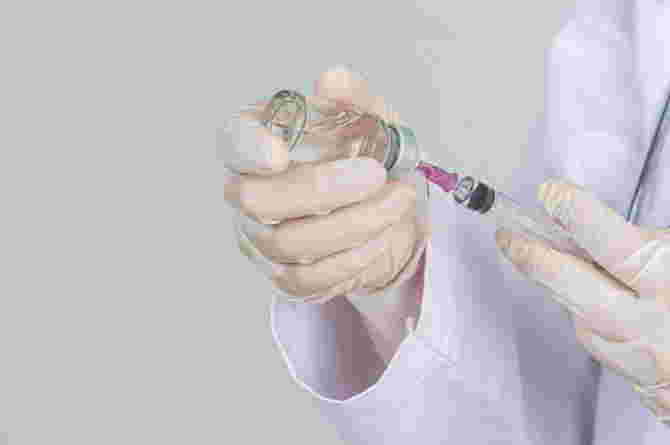
What is Injectable Birth Control?

According to the Cleveland Clinic, injectable birth control is a contraceptive injection containing the hormone progestin. Progestin is a synthetic progestogen that has effects similar to natural progesterone. The injectable birth control contains medroxyprogesterone acetate .
Medroxyprogesterone acetate is used as a birth control method and as part of menopausal hormone therapy.
The contraceptive injection is given as an injection every three months. It typically suppresses ovulation , preventing your ovaries from releasing an egg. It also thickens cervical mucus to prevent sperm from reaching the egg.
The Right Schedule and Time to Get Injectable Birth Control
It’s best to discuss contraceptive implantation with your doctor before giving birth. Breastfeeding mothers have many birth control options.
You can use the contraceptive injection at any time after giving birth if you are not breastfeeding. If you are breastfeeding, the injection is usually given six weeks after delivery. The NHS health website states that it is safe to use the contraceptive injection while breastfeeding.
Contraception can be started immediately after birth, including intrauterine devices (IUDs), implants, birth control shots , and progestin-only pills.
The use of injectable contraception for breastfeeding mothers is a safe and effective alternative without negative effects on breast milk or the baby. The injectable can be given after delivery, specifically when the baby has started breastfeeding properly, according to the NIH .
Advantages and Disadvantages of Injectable Contraceptives

Injectable contraception for breastfeeding mothers is used to prevent pregnancy and manage medical conditions related to the mother’s menstrual cycle after giving birth.
Advantages of Injectable Birth Control
Your healthcare provider may recommend the contraceptive injection because it has several advantages. Among the many benefits of the contraceptive injection are:
- It doesn’t require daily routines. It’s especially useful for women who have difficulty remembering to take the pill at the same time every day.
- Eliminates the hassle of using contraception. Because the contraceptive injection lasts for 8 or 13 weeks (depending on the brand used), you don’t need to worry about contraception every day or every time you have sex during this period.
- Reduces menstrual cramps and pain.
- Reduces menstrual blood flow, and in some cases stops menstruation.
- Reduces the risk of endometrial cancer.
- When used correctly, injectable contraception is more than 99% effective, according to the NHS website .
- If you want or need to avoid estrogen, injectable contraception can be beneficial for women who cannot use estrogen-containing contraceptives.
Disadvantages of Injectable Birth Control
Here are some of the disadvantages of injectable contraception that you should consider:
- This requires mothers to remember when they first received the injection. The next injection should be given before the expiration date.
- Side effects include weight gain, headaches, mood swings, breast tenderness and irregular bleeding.
- Your periods may become more irregular, heavier, shorter, lighter or stop altogether.
- It can take up to 1 year for your fertility to return to normal after the injections wear off, so it may not be suitable if you want to have a baby in the near future.
- This contraception does not protect against sexually transmitted infections (STIs), so you may need to use a condom as well.
What are the impacts or effects of contraceptive injections on breastfeeding mothers?

Injectable birth control is a safe injection that can be used during breastfeeding and does not affect milk production or quality. Here are some things to consider about injectable birth control for breastfeeding mothers.
Return to Fertility Longer
After stopping the contraceptive injection for pregnant women, it may take 10 months or more for you to ovulate again. The contraceptive injection is not a good choice if you want to get pregnant soon.
Affects Bone Mineral Density
Injectable birth control can affect bone mineral density. Research shows that injectable birth control can cause bone mineral density loss, according to the WebMD website .
Therefore, the US Food and Drug Administration added a strong warning to the injection packaging, warning that the contraceptive injection should not be used for more than two years. The warning also states that using this product may increase the risk of osteoporosis and bone fractures later in life.
If you have other risk factors for osteoporosis , such as a family history of bone loss and certain eating disorders, it’s a good idea to discuss the potential risks and benefits of this form of contraception with your doctor or healthcare provider, as well as learn about other contraceptive options.
Has side effects
Other side effects of the birth control shot usually subside or stop within the first few months. Possible side effects may include:
- Stomach ache
- Bloating
- Decreased interest in sex
- Depression
- Dizzy
- Headache
- Irregular periods and breakthrough bleeding
- Flustered
- Weakness and fatigue
- Weight gain
Things to Consider When Using Injectable Contraception While Breastfeeding
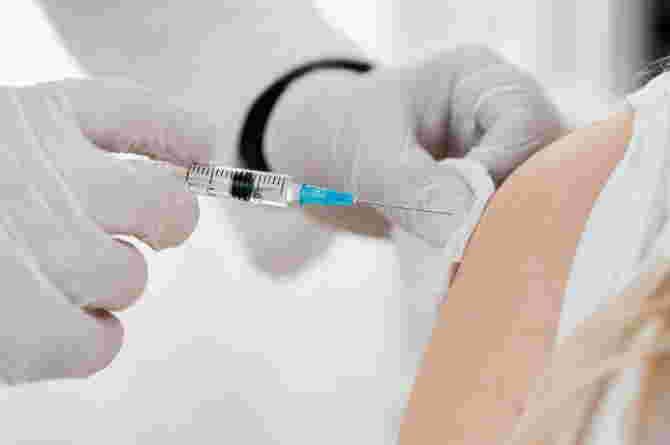
To use contraceptive injections, you should contact and consult with a doctor or health care provider.
Must have a doctor’s prescription
You’ll need a prescription from your doctor or healthcare provider to use the contraceptive injection. Your blood pressure needs to be checked and your medical history reviewed before prescribing the medication.
Note the Start Date of the Injectable Birth Control
The birth control injection should be given every three months. If you wait more than 13 weeks after the injection, you may need to take a pregnancy test before the next injection. It’s best to remember when you first received the injection, as subsequent injections should not be given past the expiration date.
Consult with your healthcare provider about the start date of the contraceptive injection for breastfeeding mothers.
Five Days After Giving Birth
If you have just given birth, the first injection will be given within five days of giving birth, including if you are breastfeeding.
Do not press on the injected area.
Prepare for your injection. Your healthcare provider will clean the injection site with an alcohol pad. After the injection, do not massage the injection site.
Depending on your start date, your healthcare provider may recommend that you use a backup method of contraception for seven days after your first injection. A backup method is not necessary after subsequent injections, as long as they are administered as scheduled.
Injectable birth control is not suitable for everyone.
According to the NHS website , your healthcare provider may not recommend using injectable contraception if you have:
- Unexplained vaginal bleeding
- Breast cancer
- Liver disease
- Sensitivity to contraceptive injection components
- Risk factors for osteoporosis
- History of depression
- History of heart attack or stroke
Additionally, tell your healthcare provider if you have diabetes , uncontrolled high blood pressure, or a history of heart disease or stroke, or unexplained vaginal bleeding.
When to Call a Doctor?
While you are using the contraceptive injection, consult your healthcare provider as soon as possible if you experience:
- Depression
- Heavy bleeding or concerns about your bleeding pattern
- Difficulty breathing
- Pus, persistent pain, redness, itching or bleeding at the injection site
- Severe lower abdominal pain
- Serious allergic reaction
Many experts believe that progestin-only contraceptive methods, such as the injectable, have a much lower risk of complications than contraceptive methods containing both estrogen and progestin.
That’s a brief explanation of injectable contraception for breastfeeding mothers. There are several options for delaying pregnancy. Injectable contraception for breastfeeding mothers is considered safe. However, always consult your doctor if you’re considering injectable contraception.
***
Republished with permission from theAsianParent Indonesia


 Together Against RSV
 Pregnancy
 Parenting
 Child
Child Feeding & Nutrition
 Education
 Lifestyle
 Events
 Holiday Hub
 Aptamil
 TAP Recommends
 Shopping
 Press Releases
 Project Sidekicks
 Community
 Advertise With Us
 Contact Us
 VIP
VIP Rewards
