Oralit is a common medicine given as first aid for someone who has diarrhea. However, what parents often ask is whether oralit is safe for babies?
Basically, oralit is a solution used to replace body fluids and minerals lost due to dehydration. Dehydration itself is very susceptible to those who suffer from diarrhea.
In infants and children, diarrhea is a condition that cannot be underestimated. Because diarrhea that is not treated properly can cause death due to severe dehydration.
Diarrhea in Babies

There are many causes of diarrhea in babies , including bacterial and parasitic infections, changes in the baby’s diet, cow’s milk allergy, lactose intolerance, or antibiotic use. However, most often, diarrhea is caused by a virus and will go away on its own.
Diarrhea in babies usually doesn’t last long. The problem is, babies and children under 3 years old can quickly become dehydrated from diarrhea. That’s why it’s important to treat diarrhea in your little one as soon as possible.
First of all, Mom must be able to recognize the symptoms of diarrhea that your little one may experience. Some parents may have difficulty distinguishing diarrhea symptoms from normal conditions because they only rely on the frequency of their baby’s bowel movements.
In fact, babies who are exclusively breastfed often poop more than 6 times a day. Until the age of 2 months, your little one may poop after every meal. This is a normal condition.
While formula-fed babies usually pass stool 1 to 8 times per day during the first week of life. Then it starts to slow down to 1 to 4 per day. This condition lasts until the age of 2 months. The stool is yellow and thick like peanut butter.
However, if the baby’s stool suddenly increases and becomes runny, you should suspect that it is a symptom of diarrhea. If the runny stool lasts for 3 times or more, it is almost certain that the baby has diarrhea. Especially if the stool contains mucus, blood, or smells bad.
Other symptoms of diarrhea include the baby appearing lethargic, vomiting, and fever. Do not delay taking immediate action if diarrhea is accompanied by symptoms of dehydration such as decreased frequency of urination/reduced wet diapers, dry skin and mouth, sunken eyes, weak cry, and the baby cries without tears.
Causes of Baby Diarrhea
Causes in Breastfed Babies
Launching the site Healthline, a medical study of 150 infants found that breastfed babies had less diarrhea than babies who were either partially or entirely formula-fed.
About 27 percent of breastfed babies often experience diarrhea, while almost 72 percent of formula-fed babies often experience diarrhea.
-
Changes in Food Consumed by Breastfeeding Mothers
If you are breastfeeding, changes in your diet can trigger diarrhea in your baby. For example, if you eat spicy foods, it can change your breast milk. This can cause your baby’s stomach to release milk too quickly, which can cause diarrhea.
If you are taking medications such as antibiotics, these can also pass into your breast milk and trigger diarrhea in your baby. Some nutritional supplements such as vitamins and protein powders may also pass into your breast milk and be one of the causes of diarrhea in babies.
Causes in Formula-Fed Babies
If your baby suddenly develops diarrhea, they may have a “stomach bug.” Also called stomach flu and gastroenteritis, a stomach bug is a common cause of diarrhea in babies. It can also cause other symptoms such as vomiting and a low-grade fever.
If your baby has a stomach bug, they may have diarrhea and other symptoms several times over a 24-hour period. This common baby illness usually goes away on its own as quickly as it started.
Sometimes your little one needs medication if they are feeling unwell. Some medications can loosen your baby’s bowels and cause diarrhea. These include antibiotics for bacterial infections and medications for parasitic infections. Some babies may even be sensitive to over-the-counter fever and pain medications.
Using certain formulas or changing formulas can cause diarrhea in babies. It may take a little time for your baby to get used to the new formula.
-
Milk Allergy or Intolerance
Milk allergy and milk intolerance are two different things, but both can sometimes cause diarrhea in babies. However, allergies are rare. Only about 7 percent of babies under 1 year old are allergic to cow’s milk.
This type of allergy can cause diarrhea, vomiting, or other symptoms immediately after eating, or even hours to days later. Most children grow out of this allergy by about age 5.
Milk intolerance occurs when your baby’s stomach can’t digest lactose, the sugar found in milk. Babies may experience diarrhea immediately after a feeding, even if they were previously fine with formula.
Rare Causes of Infant Diarrhea
This type of cause includes serious illnesses. This cause is not common, but it can cause diarrhea and other symptoms that last a long time, or don’t really go away at all.
Is it Safe to Give Oralit to Babies?
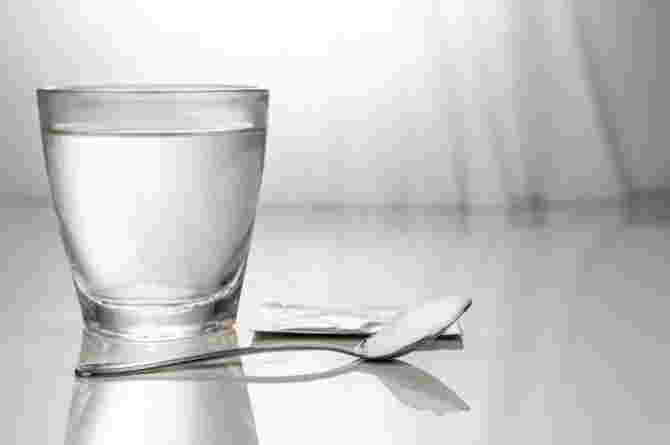
Oralit is usually available in powder form and is sold freely in pharmacies. This solution made from a mixture of water, sugar, and salt can also be made by mothers at home.
When someone has diarrhea, oralit solution can be given to prevent dehydration. So, is oralit safe for babies? Research shows that oralit is safe for all ages, including babies and children.
When babies have diarrhea, fluids move through their intestines too quickly to be absorbed normally. An oral rehydration solution consisting of a mixture of glucose, salt, and water will help maximize the absorption of salt and fluids.
Rules for Giving Oralit to Babies
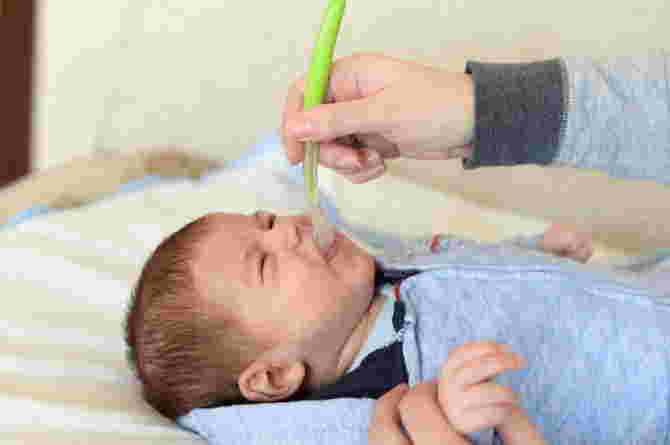
Although it is considered safe, mothers need to pay attention to the rules for giving oralit to babies. Because after all, the dosage of oralit for babies is certainly different from the dosage of oralit for children and adults.
In the first 4 hours, give your little one oralit with a dose according to his age, namely:
- 30-90 ml every hour for babies under 6 months.
- 90-125 ml every hour for babies aged 6 months to 2 years.
- 125-250 ml every hour for children over 2 years old.
For infants and children under 2 years of age, one teaspoon of ORS solution should be offered every 1-2 minutes.
Vomiting may occur during the first two hours of treatment, especially if the child drinks the solution too quickly. If the baby vomits, wait 5-10 minutes and then start giving the ORS solution again, but more slowly (eg 1 spoonful every 2-3 minutes).
How to Prepare Oralit for Babies

To prepare oralit for your little one, here are the simple steps that you must take:
- Pour the oralit powder into 200 ml of boiled water. Stir well until the powder is completely dissolved and the water looks slightly cloudy.
- Give the baby oralit in small amounts but often, using a spoon or pipette if necessary. Giving small amounts aims to prevent the baby from vomiting.
- Gradually give more ORS solution until your little one gets the full recommended dose.
- If your child refuses to drink, use a syringe to squirt the ORS solution into his mouth.
How to Make Your Own Oralit at Home
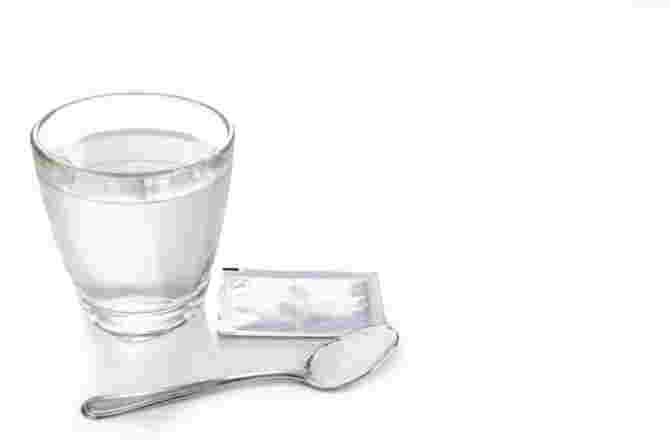
If there is no ready-to-use oralit package, you can make it yourself at home.
Material:
- 6 teaspoons granulated sugar
- ½ teaspoon salt
- 1 liter of drinking water or boiled water
How to make:
- Wash your hands with soap before making oralit and make sure the equipment and containers used are really clean.
- Prepare a container, add sugar and salt then add water. Stir until all ingredients are well mixed.
Important to Note:
Do not add too much salt or sugar without following the recommended dosage because it will make the oral rehydration solution ineffective and can even make diarrhea worse.
Don’t hesitate to give oralit when your little one has diarrhea. Well, for mothers who were previously confused and wondering, is oralit safe for babies, the answer is safe, yes, Mom.
Republished with permission from theAsianParent Indonesia


 Together Against RSV
 Pregnancy
 Parenting
 Child
Child Feeding & Nutrition
 Education
 Lifestyle
 Events
 Holiday Hub
 Aptamil
 TAP Recommends
 Shopping
 Press Releases
 Project Sidekicks
 Community
 Advertise With Us
 Contact Us
 VIP
VIP Rewards
 VIP Parents
