“Is the immunization schedule for premature babies different from that for full-term babies?”
“Do premature babies need additional doses of general immunizations to optimize their body’s protection from various diseases?”
“What medical conditions cause premature infant immunization to be postponed?”
These questions may be on your mind when giving birth to a premature baby. To learn more, read the summary below, Mom.
Immunization for Premature Babies: A Must for Parents to Know!
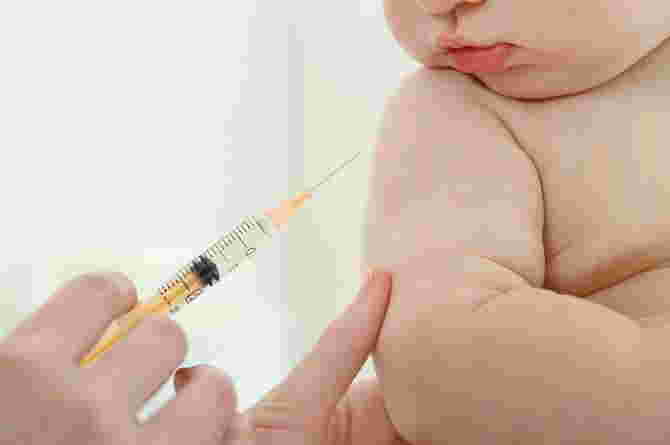
More than 10 percent of babies are born prematurely, and this rate continues to rise worldwide. A premature baby is a baby born at less than 28 to 37 weeks of gestation – the number of very premature babies (preterm infants, less than 33 weeks of gestation) about 20 percent of the overall number of premature babies.
Compared to babies born at full term, premature babies receive fewer antibodies from their mothers through the placenta. Not only do they receive fewer antibodies, but the antibodies they do have also deactivate more quickly, requiring them to rely on their own immune system earlier.
Therefore, it is crucial to vaccinate premature babies to help them overcome the risk of potential diseases. So, what about low birth weight babies? Can immunizations be given to them? Of course, mothers, premature babies born with low birth weight (LBW) can also be immunized.
When can premature babies be immunized? According to general guidelines, premature babies should be vaccinated according to their chronological age, calculated from their date of birth—the same as full-term babies.
Based on experience, premature babies’ bodies are able to respond well to vaccines, and produce their own antibodies from the vaccinations they receive.
There are some specific recommendations for premature babies regarding the hepatitis B and RSV vaccines. You can read more about these below.
The Purpose of Premature Infant Immunization is to Prevent This Condition
Although their immune systems are immature, premature babies generally respond well to vaccines. However, this immunocompetence also depends on prenatal maturation. As long as their health is medically stable and there are no contraindications to vaccination, vaccines are safe to administer.
Premature infants should receive vaccines according to the recommended schedule, without correction for prematurity, provided they are well and there are no contraindications.
In some cases, vaccinations are given late or delayed to premature babies due to concerns about potential side effects. However, vaccines are still safe and effective in premature babies.
In fact, if delayed, it can pose many risks to the baby. For example:
- Pertussis infection 50% of cases
- Invasive pneumococcal disease accounts for 11% of cases of neonatal sepsis
- Complications and hospitalization, one of which is after rotavirus infection
- Influenza virus infections and complications
Types and Schedule of Immunization for Premature Babies

The following are several types of vaccines that premature babies must receive, as reported byNational Library of Medicine:
- Hepatitis B
- Polio (inactivatedand oral)
- BCG
- DTP (Diphtheria-tetanus-acellular Pertussis Vaccine)
- Hib (Haemophilus influenzae type B)
- PCV (Pneumococcal Conjugate Vaccine)
- RSV vaccine
- Influenza
- Measles
- MMR (Measles-Mumps-Rubella)
- Typhoid
- Hepatitis A
- MenC (Meningococcal group C conjugate Vaccine)
1. Hepatitis B vaccine
Babies typically receive the Hepatitis B vaccine within 24 hours of birth. Three additional doses are given at 2, 3, and 4 months of age.
If the mother is a carrier of the Hepatitis B virus (during pregnancy), it is important to administer this vaccine to the baby within 12 hours of birth to prevent transmission. The vaccine is given as a passive immunization (specific antibodies to the virus – HBIG) along with the active Hepatitis B (HBV) vaccine.
However, the problem with premature babies is that they tend to have low birth weight. On the other hand, babies born weighing less than 2 kg or babies born at less than 32 weeks’ gestation (regardless of their weight) do not respond as well to the Hepatitis B vaccine as full-term babies.
That is why premature babies who will receive the Hepatitis B vaccine must wait until they weigh 2 kg or are one month old (whichever is earlier).
Ensure your baby’s health is stable and they are gaining weight consistently. The initial series of vaccines consists of two doses, one month apart.
2. Polio
Polio often attacks children under the age of 5. This is an infectious disease caused by the polio virus, where the virus attacks the child’s nervous system and leaves them paralyzed to the point of death.
Remind your pediatrician to give your child the Polio vaccine when he or she is over 2 months old and weighs over 2 kg.
3. BCG vaccine
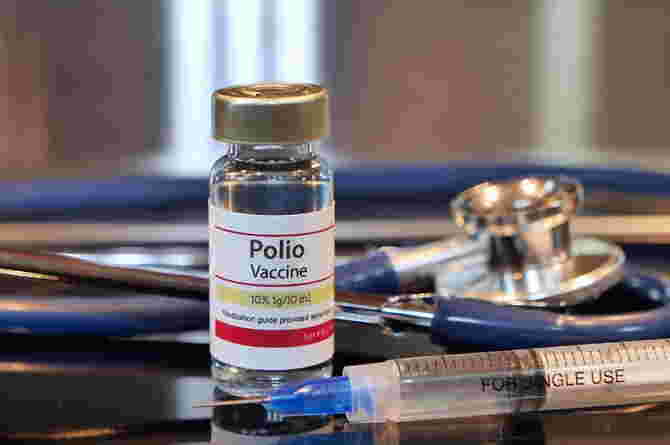
This vaccine prevents tuberculosis (TB) in children, including premature babies. This vaccine is mandatory by the government and provided free of charge at integrated health posts (Posyandu).
Babies can receive the BCG vaccine shortly after birth or at one month of age. However, if your baby is born at 34 weeks gestation, the vaccine is not given immediately, as their body will not respond.
Try consulting with your pediatrician about the right time for your baby to get this vaccine.
4. DTP
Diphtheria, pertussis, and tetanus are three viruses that are very dangerous for your child. Diphtheria can cause serious throat infections and respiratory problems.
Tetanus is a toxin-producing bacteria that can contaminate wounds and attack children’s nerves. Pertussis, on the other hand, attacks children through inhalation, causing severe coughing.
If all three attack your baby, he will experience quite serious complications – often suffered by babies aged 6-12 months.
5. Hib B Immunization for Premature Babies
Premature babies do not require changes to the usual schedule to receive vaccines.Haemophilus influenzae tipe b(Hib) conjugated with tetanus (PRP-T), including Infanrix hexa. Premature infants produce a good antibody response to all antigens in Infanrix hexa after administration at 2, 4, and 6 months of age.
If your baby is very premature and/or low birth weight (gestation <28 weeks or birth weight <1500 g), after receiving the Hib vaccine conjugated to Neisseria meningitidis outer membrane protein (PRP-OMP), your baby should receive an additional dose at 6 months of age. This means they should receive doses at 2, 4, 6, and 18 months of age.
6. PCV (Pneumococcal Conjugate Vaccine)
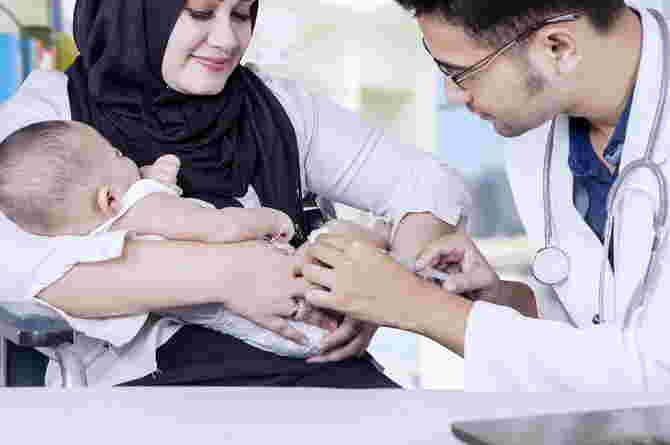
All premature infants born at less than 28 weeks’ gestation are recommended to receive 4 doses of 13-valent pneumococcal conjugate vaccine (13vPCV) or pneumococcal conjugate vaccine and 2 doses of 23-valent pneumococcal polysaccharide vaccine (23vPPV).
- The 13vPCV dose is given at 2, 4, 6, and 12 months of age.
- The first dose of 23vPPV is given at 4 years of age, and the second dose is given at least 5 years later.
Children born at less than 28 weeks’ gestation do not need more doses of pneumococcal vaccine after age 5 years if they:
- Have no chronic medical conditions and are not Aboriginal or Torres Strait Islander, and are not at increased risk of pneumococcal disease.
- Have received an extra dose of pneumococcal vaccine up to 5 years of age as recommended above.
All children and adults who have chronic lung disease or certain other chronic medical conditions (whether related to premature birth or not) should receive an additional dose of pneumococcal vaccine up to and after age 5 years.
7. Rotavirus (RSV) vaccine
This vaccine is not actually mandatory in Indonesia. However, it is used as an additional vaccine for premature babies due to the RSV virus (respiratory syncytial virus) is prone to developing in babies born prematurely.
RSV is a common cause of upper respiratory tract infections in infants. Nearly all infants by the age of two are infected with this virus. The virus can lead to higher rates of complications in premature infants and infants with severe heart and lung disease.
Abroad, immunizationpalivizumabIt’s used as passive immunization against the RSV virus, allowing babies to receive ready-made antibodies and not have to produce their own. After passive immunization, they can receive this vaccine again in the first 1-2 years of life.
Because passive immunization provides babies with antibodies without stimulating their immune system independently, it is necessary to give repeat doses each time the virus season occurs.
8. Influenza Vaccine
Premature babies are particularly vulnerable to complications from influenza, including respiratory, heart, and neurological conditions. Premature babies should receive the influenza vaccine annually, starting at 6 months of age.
The second dose is given 4 weeks after the first dose, and then 1 dose every year thereafter.
Post-vaccination Observations and Possible Risks After Immunizing Premature Babies
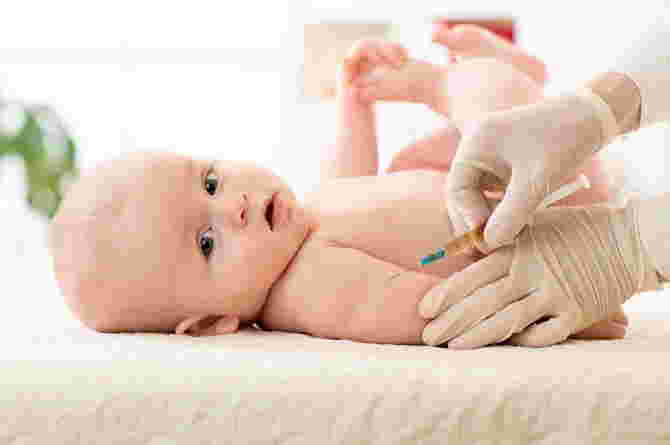
Premature babies who have recently received a vaccine should remain under observation for at least 15 minutes. Most life-threatening side effects are likely to begin within 15 minutes of immunization.
There have been several increased incidences of cardiorespiratory instability following immunization of premature infants in hospitals. These include:
1. Apnea
The causes may be influenced by the severity of the underlying neonatal condition, previous sepsis, and/or a history of apnea in the parents. In some cases, premature babies require respiratory support (oxygen/non-invasive ventilation) after their first immunization. Therefore:
- It is highly recommended that babies receive monitoring for 24-48 hours after immunization.
- In infants with a history of post-vaccination apnea, consider administering subsequent vaccines under medical supervision.
2. Anaphylaxis
The most serious immediate reaction to immunization in premature infants.
However, vaccination is not associated with an increased risk of sudden infant death syndrome ( SIDS).suddent infant death syndrome)
Vaccination Schedule for Full-Term Babies (0-24 months)

- Newborns: Hepatitis B, Polio (week 1)
- 1 month: Hepatitis B, BCG
- 2 months: Polio, DTP, Hib, PCV, Rotavirus
- 4 months: Polio, DTP, Hib, PCV, Rotavirus
- 6 months: Hepatitis B, Polio, DTP, Hib, PCV, Roravirus, Influenza
- 9 months: Measles
- 12 months: Varicella, PCV,
- 15 months : MMR
- 18 months: Polio, DTP, Hib
- 24 months: Typhoid, Hepatitis A
So, Mom, there are several things you need to know about immunizations for premature babies. Essentially, there’s no difference between the immunization schedules for premature babies and those born full-term. If you have any concerns, consult your pediatrician immediately.
Republished with permission from theAsianParent Indonesia


 Together Against RSV
 Pregnancy
 Parenting
 Child
Child Feeding & Nutrition
 Education
 Lifestyle
 Events
 Holiday Hub
 Aptamil
 TAP Recommends
 Shopping
 Press Releases
 Project Sidekicks
 Community
 Advertise With Us
 Contact Us
 VIP
VIP Rewards
 VIP Parents
