According toOrphanet Journal of Rare Diseases , kThe incidence of congenital hypothyroidism (CH) or hypothyroidism in infants reaches 1:2000 to 1:4000 in newborns.
According to the website of the University of Indonesia Hospital, in Indonesia itself, there are no definite figures. However, research at RSCM in 2000-2024 found the ratio of congenital hypothyroidism in newborns who were screened reached 1: 2135 births.
What is congenital hypothyroidism in babies and how to recognize the symptoms? Make sure to read this article until the end.
What is Congenital Hypothyroidism?
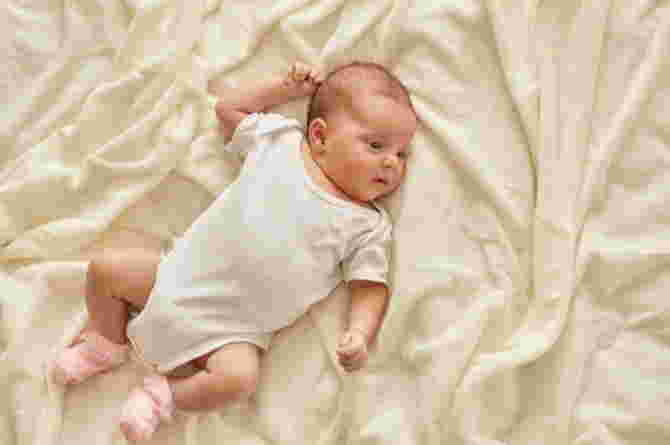
The Indonesian Pediatrician Association (IDAI) explains that hypothyroidism is a condition of decreased or non-functioning thyroid gland. If this condition is present from birth, it will be called congenital hypothyroidism.
Thyroid hormone itself functions for the growth and development of your little one, until they get older.
Where the thyroid gland itself will produce thyroid hormones which function as regulators of body metabolism, heart function, development of the central nervous system (brain) and production of body heat.
So it is not surprising that if this gland is not there or does not function properly, it will risk disrupting your little one’s growth and development.
In fact, this congenital hypothyroid condition is experienced by many babies in the world. At least, data states that around 1,600 babies out of 4.7 million babies born in the world experience congenital hypothyroidism.
Very worrying thing, right?
Therefore, to prevent or find out early whether your little one is experiencing congenital hypothyroidism, IDAI says that it is important for parents to carry out congenital hypothyroidism (CH) screening, where the most recommended time is when the baby is 48-72 hours old or before the baby goes home.
This can be done by taking the baby’s blood which is dripped onto special filter paper, dried and then the blood spots are sent to the laboratory.
In the laboratory, TSH ( thyroid stimulating hormone) levels will be measured and the results can be known in less than 1 week.
If the test results are not normal, the baby will need further examination by the Newborn Screening Program Consultant Team.
This HK screening itself is a routine procedure that has been carried out in developed countries since the 1970s.
Meanwhile in Indonesia, this examination has only been carried out since 2000 and until 2014, only less than 1% of all newborns were screened.
However, as of 2023, the Ministry of Health will require Congenital Hypothyroidism Screening (CHS) for newborns in all health care facilities in Indonesia, which aims to prevent stunting and mental retardation (intellectual disability).
Causes of Hypothyroidism in Babies
Source: IDAI
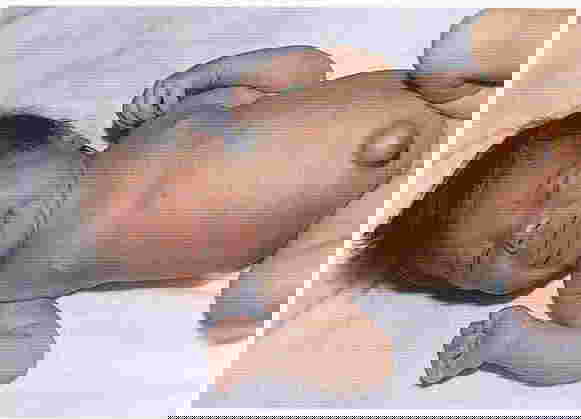
IDAI also states that congenital hypothyroidism occurs due to several factors, including primary abnormalities of the thyroid gland (thyroid gland), namely:
- Abnormalities in gland formation, namely glands not being formed, small glands or glands not being in the right position.
- Disorders in the production of thyroid hormones
- Iodine deficiency in pregnant women
If the thyroid gland does not function properly, the hormones produced will not be sufficient for the body’s needs, causing the pituitary gland in the brain to produce more TSH (a hormone in the brain that controls the thyroid gland).
If TSH levels are high, it can be said to be a sign that the baby is suffering from hypothyroidism due to thyroid gland abnormalities.
Signs and Symptoms of Hypothyroidism in Babies
Indeed, most babies with congenital hypothyroidism appear normal at birth, meaning there are no specific signs to worry about.
This condition is also inseparable because babies who suffer from this disorder may initially appear normal because they still receive their thyroid from their mother’s body.
However, it is important to note that babies with congenital hypothyroidism will usually appear lethargic, quieter, and cry less.
IDAI also explains that if it is not detected early, other, clearer symptoms will gradually begin to appear, such as:
- less active baby
- lazy to breastfeed
- experiencing prolonged jaundice
- hands and feet move less, tongue gets bigger so often chokes when drinking
- a bloated stomach often with a protruding navel
- dry and scaly skin
- babies get cold easily.
Without treatment, the symptoms that arise will of course become more visible as we age. This will also result in increasingly visible growth and developmental disabilities, namely:
- Short body (midget)
- Typical hypothyroid face (puffy face, thick lips, flat nose)
- Mentally retarded, stupid (low IQ and EQ)/ idiot
- Difficulty speaking and cannot be taught to speak
Long-Term Impact If Hypothyroidism in Babies is Not Treated
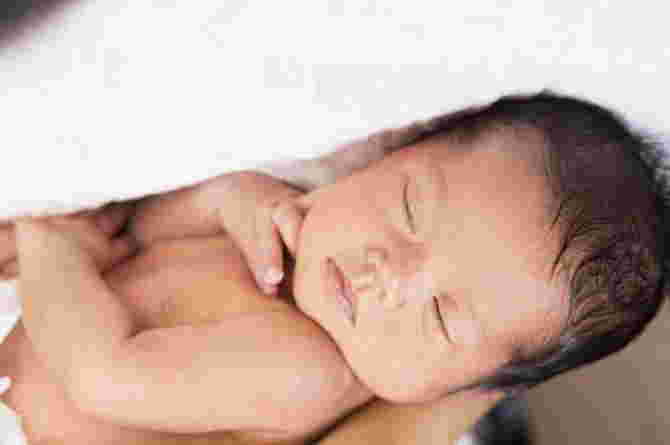
In general, hypothyroidism in babies can be permanent (permanent) or temporary (transient).
It is called tarsien if after several months or years the thyroid gland can produce its own thyroid hormone. Meanwhile, permanent hypothyroidism requires lifelong treatment and special handling.
The most devastating impact of hypothyroidism in babies is irreversible mental retardation.
Families who have children with hypothyroidism will also face a heavy economic burden because children with hypothyroidism need special care, education and supervision.
HK therapy needs to be done for life. In infants, it is usually done by giving thyroxine pills that have been mixed with breast milk (ASI) or water.
Medication is given routinely every day to keep thyroid hormones in the body normal.
In fact, the efficacy of this drug is the same as the hormone produced by the thyroid gland.
Although this therapy does need to be carried out for life, this thyroxine drug is easy to obtain, easy to administer, and the price of the drug is quite affordable.
Diagnosis of Hypothyroidism in Babies
Given the difficulty in diagnosing congenital hypothyroidism in the newborn period based on signs and symptoms, there are several ways to detect hypothyroidism in infants, for example:
Newborn Screening Test
Because early treatment can prevent intellectual disability, all newborns receive routine screening blood tests in the hospital after birth to evaluate thyroid function.
Thyroid Function Test
If the screening test result is positive, a thyroid function test, which is a blood test, is performed.
In affected newborns, blood tests show increased levels of thyroid-stimulating hormone and usually lower levels of thyroid hormone.
Imaging Tests
Once neonatal hypothyroidism is diagnosed, doctors perform imaging tests to evaluate the size and location of the thyroid gland.
These tests include radionuclide scanning or ultrasound.
Doctors may also perform magnetic resonance imaging (MRI) of the brain and pituitary gland in children with central hypothyroidism to rule out problems with the brain.
Hypothyroidism Treatment in Babies
According toAmerican Academy of Pediatrics (AAP), congenital hypothyroidism is treated by giving thyroid hormone medication in pill form calledlevothyroxine.
Many children will require lifelong care.Levothyroxineshould be crushed and given once daily, mixed with a small amount of water, formula, or breast milk using a dropper or syringe.
Giving your baby thyroid hormone every day and having regular checkups with a pediatric endocrinologist will help ensure that your baby will have normal growth and brain development.
The doctor will perform thyroid function tests periodically so that the drug dosage can be adjusted properly as the child grows.
The hormones in the pill are identical to what is made in the body, and you are simply replacing what is missing.
In general, side effects only occur if the dose is too high, which an endocrinologist can avoid by checking blood levels regularly.
The good news is that some babies are born with temporary hypothyroidism. This can be caused by things like premature birth, thyroid disease in the mother, or medications the mother took during pregnancy.
This form of hypothyroidism usually goes away on its own in the first weeks or months of life.
Meanwhile, parents can also provide treatment to maintain thyroid health in babies who are over 6 months old.
There are many food choices if a child suffers from hypothyroidism, here are some of them.
1. Eggs
A few eggs per day is a good breakfast for children suffering from hypothyroidism.
Eggs are rich in protein and contain fat-soluble vitamins. They also increase iodine levels in the body.
Iodine and selenium are found in the yolk, while the white is full of protein.
Eggs also break down more slowly in the body, which means your child will feel fuller for longer and will be less likely to binge on unhealthy foods.
2. Beef
Lean cuts of beef are generally healthy for those with hypothyroid conditions.
Beef is rich in protein and is a rich source of zinc and vitamin D.
Beef also helps convert the thyroid hormone T3 to T4. T3 or triiodothyronine is the inactive hormone whereas, T4 or thyroxine is the active form of the hormone that helps combat hypothyroidism.
3. Fish
Fatty fish have good amounts of omega-3 fatty acids and selenium.
The first helps control cholesterol while the second helps the normal functioning of the thyroid gland. Choose fatty fish such as salmon, tuna, or sardines and prepare them under the grill.
4. Vegetables
All vegetables are good to eat in moderation, especially when cooked.
5. Fruits
Several types of fruits, including berries, bananas, oranges, tomatoes can maintain good thyroid condition.
6. Milk
Low-fat dairy products such as Greek yogurt, cheese, and low-fat milk are great for the body if your child has hypothyroidism.
This is because it increases iodine production in the long term while increasing it in the short term as well.
7. Broth
Hypothyroidism causes bones in the body to weaken. Broth made from beef or chicken bones is known to strengthen bones.
With amino acids like glycine and proline, it will help the body repair the lining of the digestive tract. This, in turn, combats hypothyroidism.
8. Olive Oil
Rich in healthy fats, olive oil is a great ingredient to use in a hypothyroid diet.
It helps in lowering LDL cholesterol and by doing this, it keeps the heart healthy.
Additionally, the polyunsaturated fats in olive oil can be processed through the body better and keep children full longer to reduce overall appetite.
9. Seaweed
Seaweed is a rich source of iodine, B vitamins, riboflavin, and pantothenic acid.
These elements help regulate hormone production along with regulating mood, preventing lethargy, and improving brain function.
Parents can add seaweed as a flavor enhancer to rice or use it in their child’s salad.
10. Iodized Salt
Although many say that children are not allowed to consume salt, in fact hypothyroidism can cause iodine deficiency in the body and this can cause thyroid disorders.
Hypothyroidism can also be caused by a lack of iodine in the body. This is where iodized salt comes in handy.
Season your child’s food with iodized salt to help restore iodine levels while balancing the overall diet. Be sure not to overdo it.
Parents can give some of these foods to their little ones to treat hypothyroidism in babies.
But make sure, always consult a doctor first before giving it.
Also ask about the amount or dosage that is appropriate for the child’s age and weight .
Hopefully the information above can be useful for you!
***
Republished with permission from theAsianParent Indonesia


 Together Against RSV
 Pregnancy
 Parenting
 Child
Child Feeding & Nutrition
 Education
 Lifestyle
 Events
 Holiday Hub
 Aptamil
 TAP Recommends
 Shopping
 Press Releases
 Project Sidekicks
 Community
 Advertise With Us
 Contact Us
 VIP
VIP Rewards
 VIP Parents
