Breastfeeding is a beautiful journey, but it doesn’t always align perfectly with your schedule or location. That’s where knowing how to use a manual breast pump can be a game-changer. Whether you’re returning to work, building a freezer stash, or just need relief between feedings, a manual breast pump offers a quiet, portable, and budget-friendly solution.
In this guide, you’ll discover everything from preparing your pump and positioning it correctly to maximizing milk flow and ensuring hygiene, so you can pump confidently, comfortably, and effectively.
Why Choose a Manual Breast Pump
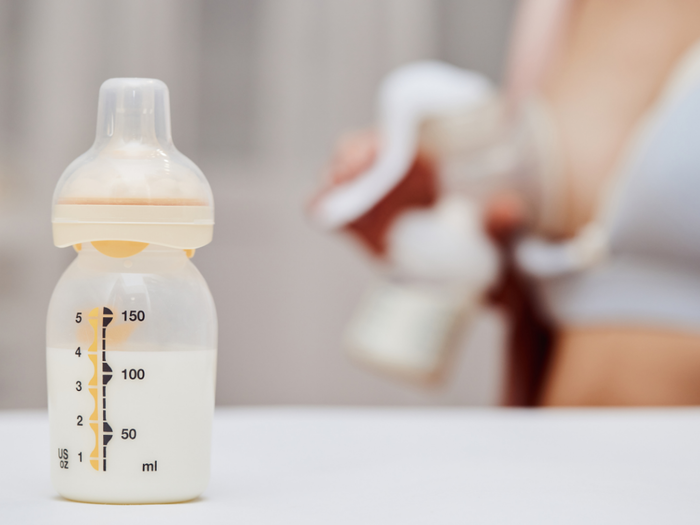
How to Use a Manual Breast Pump: A Step-by-Step Guide for Maximum Comfort and Efficiency
Manual breast pumps are a practical choice for many mums in Singapore. Whether you’re managing a hybrid work setup, heading back to the office in the CBD, or looking for a quiet pump for night use, here’s why you might choose one:
-
Affordable: Manual pumps are wallet-friendly, with trusted brands recommended by both mums and experts, typically ranging from S$29 to S$90. They offer excellent value for the quality, reliability, and convenience they provide.
-
Quiet Operation: Without motors, manual pumps are silent. And that makes it deal for nighttime expression or discreet use in nursing rooms at public places.
-
Portable: They’re lightweight and compact enough to fit in a diaper bag, perfect for mums commuting on MRT or heading out with baby.
Preparing to Use a Manual Breast Pump
Before expressing milk, proper preparation ensures hygiene and comfort:
Clean Hands & Sterilize the Pump
Always wash your hands with soap and water for at least 20 seconds. Use sterilizing tablets or boiling water to clean pump parts. Some mums opt for electric steam sterilizers, which are quick and efficient.
Choose a Comfortable Environment
Set up in a calm area, whether it’s your living room or a public nursing room. Relaxation helps with let-down. Try a warm towel compress on your breasts or a gentle massage before pumping.
Assembling Your Manual Breast Pump
Familiarize yourself with the parts, typically including the flange, valve, diaphragm, bottle, and handle. Assemble according to the manufacturer’s guide. A secure seal between the flange and your breast is essential for good suction.
If you’re a first-time mum, don’t hesitate to ask a lactation consultant or nurse for guidance. They can show you how to properly assemble and position the pump for effective use.
Step-by-Step Guide: How to Use a Manual Breast Pump
-
Position the Flange: Center it over your nipple. Your nipple should move freely in the tunnel. If it rubs or feels pinched, try a different flange size.
-
Trigger Let‑Down: Start with short, quick pumps to mimic a baby’s initial suckling.
-
Transition to Steady Pumps: Once milk starts to flow, slow down to a rhythmic squeeze-and-release pattern. Avoid fast pumping as it may cause soreness.
-
Switch Sides: After 5 to 7 minutes or when flow slows, switch to the other breast. Alternate back if needed to fully drain each side.
-
Finish Gently: Once done, carefully remove the flange by breaking the suction with a finger.
Tip: Bring a small hand towel or muslin cloth to manage leaks or drips while pumping.
Comfort & Efficiency Tips
-
Warm Shower or Compress: Use warm towels or take a shower before pumping to stimulate flow.
-
Stay Hydrated: Carry a water bottle. Dehydration can lower milk supply.
-
Support Your Pumping Arm: Rest it on a pillow or use a breastfeeding support cushion for comfort.
-
Use a Nursing Bra with Open Flaps: Makes pumping faster and less messy, especially in public nursing rooms or shared office spaces.
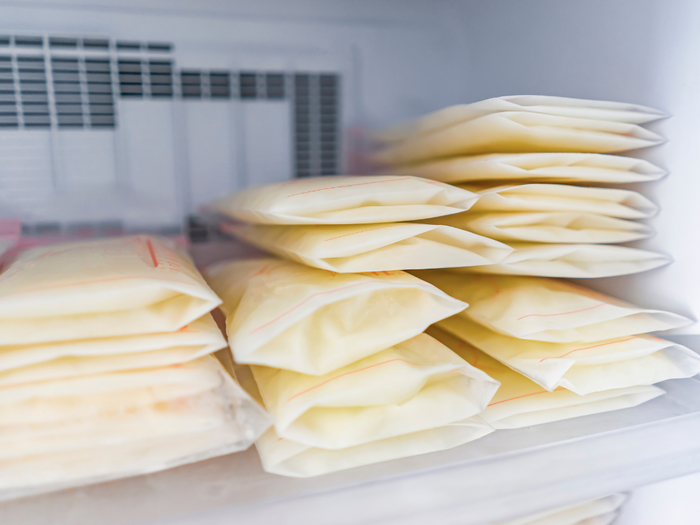
How to Use a Manual Breast Pump: A Step-by-Step Guide for Maximum Comfort and Efficiency
-
Use BPA-free bottles or breast milk storage bags from trusted brands.
-
Label each bag with date/time using waterproof markers.
-
Storage timelines in Singapore’s humid climate:
-
Room temp (max 25–27°C): Up to 4 hours
-
Fridge (≤4°C): Up to 4 days
-
Freezer (≤ -18°C): 3–6 months
-
Use cooler bags with ice packs if you’re transporting milk from office to home
Cleaning & Maintenance
After each use:
-
Disassemble all pump parts and wash them in warm, soapy water.
-
Rinse thoroughly and let them air-dry on a clean towel.
-
Sterilize at least once a day using a steam sterilizer or by boiling the parts for 5 minutes.
Microwave sterilizer bags are also a convenient option. They are perfect for quick sterilizing in office pantries or childcare facilities.
Troubleshooting Common Issues
-
Low Suction? Check flange fit, valve seal, and whether any parts are loose or misaligned.
-
Nipple Pain? Could be a poor flange fit or pumping too aggressively. Try different sizes or hand positions.
-
Low Milk Output? Stay consistent, massage before pumping, drink enough fluids, and pump in a stress-free setting.
-
Parts Worn Out? Replace valves, membranes, or flanges if suction decreases.
Empower Your Journey One Pump at a Time
Using a manual breast pump doesn’t have to feel overwhelming. With the right technique, setup, and mindset, you can turn pumping into a smooth, empowering part of your breastfeeding routine.
Remember: every mom’s journey is unique, and there’s no “one-size-fits-all” method. Whether you’re expressing milk once a day or just in case of emergencies, mastering your manual pump gives you flexibility and peace of mind.
Trust your body, stay consistent, and celebrate each ounce, because every drop counts.


 Together Against RSV
 Pregnancy
 Parenting
 Child
Child Feeding & Nutrition
 Education
 Lifestyle
 Events
 Holiday Hub
 Aptamil
 TAP Recommends
 Shopping
 Press Releases
 Project Sidekicks
 Community
 Advertise With Us
 Contact Us
 VIP
VIP Rewards
 VIP Parents
