One-year-olds begin to show rapid development, and their sleep patterns also change significantly at this age. As we know, Parents, A proper and consistent sleep routine will greatly support optimal child growth and development. Therefore, Parents need to understand the appropriate sleeping hours for 1 year old children.
However, when your little one starts to stand or even walk, he often refuses to take naps and is more interested in continuing to move and play.
This habit may makeParentsWondering if it’s time to change your child’s sleep schedule, and what you should do to handle this change?
ParentsHere are some things to consider regarding bedtime rules for 1-year-olds. There are also tips you can follow. Parents apply it so that your little one can fall asleep easily.
Ideal Sleep Hours for a 1-Year-Old
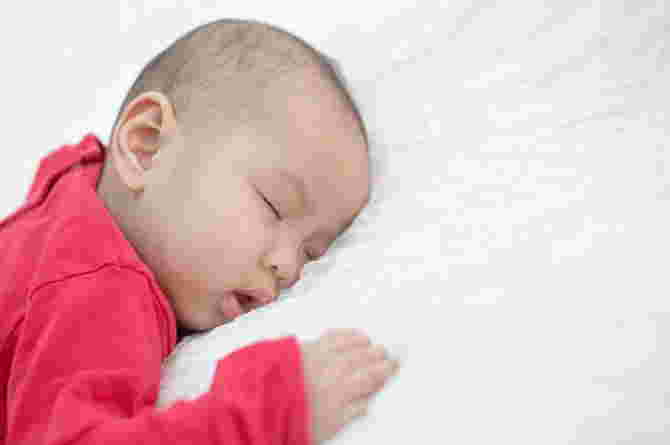
Reporting from the page Kidshealth, children aged 1 and 2 years need about 11-14 hours of sleep a day, including one or two naps.
Around 18 months of age (or sometimes earlier), most toddlers will change their nap patterns, shifting from two naps to one.
Nighttime Sleep Time for 1 Year Old Children
Ideally, a child aged 12 months or 1 year should have a sleep duration of 11-12 hours at night, as quoted from Huccklerberrycare.
Some babies this age need longer periods of wakefulness between naps, which means nighttime sleep will shift later.
Nap Time for 1 Year Old Children
How long should a 12-month-old nap be? At this age, babies should nap twice a day. Ideally, each nap should last around 60-120 minutes.
A one-year-old baby’s nap schedule should be at least 2-3 hours long. Plan for two naps a day. Naps typically occur 3.25 hours after waking up in the morning.
Here are some examples of your little one’s sleeping activities today:
- Wake up: 06.30
- First nap: 09:45 – 10:45 (1 hour nap)
- Second nap: 2:15 PM – 3:15 PM (1 hour nap)
- Get ready for bed: 6:30 PM
- Sleep: 19:15
Getting Children Used to Sleeping on a Schedule
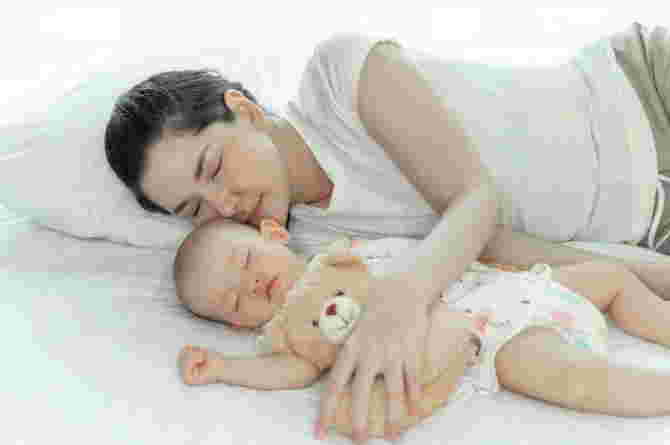
Babies need sleep to grow and develop properly. Each baby’s sleep needs vary depending on their age, just as older children and adults do. Your baby may be fine with more or less sleep than other babies of the same age.
A baby’s need for sleep decreases as they get older. At this age,ParentsYou can invite your little one to clean themselves first before going to bed by inviting them to wash their hands and feet, brush their teeth, and start positioning themselves in bed.
At 12 months, some babies have started crawling , and some have even learned to walk. When they wake up at night, they often want to leave the room and move around. To avoid waking up in the middle of the night, keep the room quiet. However, if your little one does wake up, immediately put them back to sleep.
A more consistent sleep schedule canParentsMaintaining a regular and consistent schedule will also help your little one grow and develop properly, as well as help them learn about discipline.
Reasons Why 1 Year Olds Have Difficulty Sleeping

Your toddler may start waking up at night. Sometimes, a 1-year-old’s difficulty sleeping is due to discomfort, such as a toothache or a cold.
Another cause is separation anxiety in children, such as the feeling of, “Where’s Mommy? Where’s Daddy?”
Page Kidshealth She also explained that nightmares can start to affect a child’s sleep. They may begin to have difficulty sleeping because they have difficulty distinguishing between dreams and reality.
To overcome this cause of insomnia,ParentsIt’s important to pay attention to the books your child reads before bed. Make sure the stories and pictures in the books are light.
Besides that,Parentsalso need to be considered carefully screen timeor time spent with screens (such as TV or tablets). Because, screen time including things that can disturb children’s sleep.
That’s one of the reasons why health experts recommend:
- Limit screen time
- Keep toddlers away from screen devices an hour before bedtime.
- Do not keep devices such as TVs in children’s bedrooms.
Check for other possible causes of your child’s discomfort. Toddlers often remove their blankets at night due to temperature issues.
So, in the colder months, you might want to wear thicker pajamas for warmth. And vice versa.
Another reason your little one might have trouble sleeping is too much noise coming from other rooms. Loud noises, such as a loud TV or too much conversation nearby, can disrupt their sleep.
So,Parentsneed to rearrange the bed to make it more comfortable for your little one.
How to Get a 1-Year-Old to Sleep

Sometimes it takes extra effort to get a child to sleep, especially if they’re still active and enjoying their activities.Parents Don’t worry, because there are several ways to overcome this.
First, the way to make a 1 year old child sleep is by creating a comfortable bed for your little one.Parents can adjust the lighting so that it is not too bright and keeps the room away from noise.
If your child doesn’t have a comfort item like a stuffed animal, consider giving him one to help him feel more comfortable.
At this age,ParentsIt is permissible to put a blanket on your little one when sleeping or to place a pillow or soft doll where he sleeps.
At this ageParentsYou can try the right combination to get your 1-year-old to sleep, such as a warm bath and a bedtime story. Cleanse yourself before bed with warm water to help your child relax.
Make it a habit to set bedtime rules for your child and stick to them every day. This will not only help your child get more sleep but also teach them discipline from an early age.
Where Should a 1-Year-Old Sleep?
So, the next question is where should a 1-year-old child sleep? Quoting from the page Kids Health, your child aged 1 to 2 years should still sleep in a safe bed.
Before the age of 1 year, it is not recommended for children to use blankets because of the potential risk.Sudden Infant Death Syndrome(SIDS). However, at the age of 1 year,ParentsIt is permissible to put a thin blanket on your child’s bed.
One-year-olds can also sleep with items like stuffed animals, which can provide a lot of comfort. However, avoid placing extra-large soft toys or giant stuffed animals in the crib.Parents.
Be careful with items like baby clothes ties or bolster straps that could get around your toddler’s neck. Always be aware of nearby objects your child might be able to reach from standing in the crib, such as wall hangings, that could injure your little one.
Be careful with window blinds, too. Your curious toddler might find a way to climb out.boxbaby with the curtains. Also, don’t leave out lots of toys that your child can stack and climb on.
Babies’ sleep patterns vary across ages. Manage fussiness caused by sleep deprivation by learning how to promote good sleep quality according to your child’s age.
These are the things that should be doneParentsLearn more about one-year-olds’ sleep schedules and various ways to encourage your little one to sleep at this age. We hope this is helpful.
Republished with permission from theAsianParent Indonesia


 Together Against RSV
 Pregnancy
 Parenting
 Child
Child Feeding & Nutrition
 Education
 Lifestyle
 Events
 Holiday Hub
 Aptamil
 TAP Recommends
 Shopping
 Press Releases
 Project Sidekicks
 Community
 Advertise With Us
 Contact Us
 VIP
VIP Rewards
 VIP Parents
