Duodenal atresia is a congenital condition that babies are born with. Doctors can detect this disorder before the baby is born, but treatment can only be done after the baby is born.
What are the symptoms and how to treat it? Then, can this problem be prevented long before the mother is pregnant? Check out the explanation in this article, okay, Mom.
What is Duodenal Atresia?
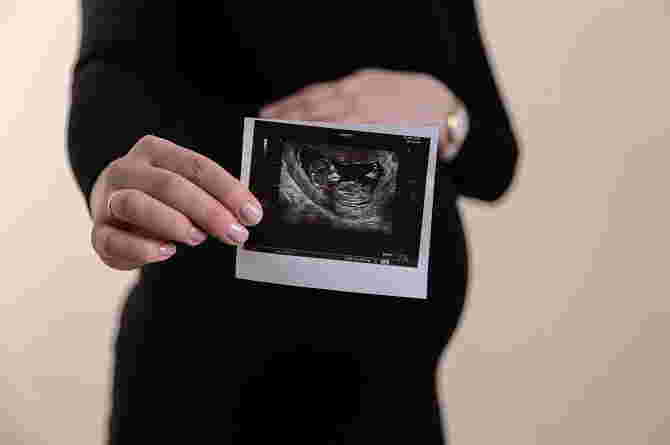
Duodenal atresiaor duodenal atresia is a congenital abnormality experienced by some babies since birth. Where the first part of the small intestine or small intestine or duodenum (duodenum) of the baby does not develop properly and experiences closure. This closure automatically causes milk or digestive fluids that have entered the stomach to be mechanically blocked and cannot enter the duodenum.
There is also a case called duodenal stenosis. Just like duodenal atresia, duodenal stenosis is also a disorder that occurs in the baby's small intestine. The difference is, babies with duodenal stenosis have a very narrow duodenum.
Both cases are extremely rare. Worldwide, only 1 in 7,500 to 1 in 40,000 babies are born with both conditions. Sufferers are also equally experienced by boys and girls.
Causes of Duodenal Atresia
Quoting the pageCleveland Clinic, duodenal atresia is more common in babies with certain genetic conditions, due to environmental exposure factors.
TemporaryMedline Plusstates, the cause of duodenal atresia is unknown. It is thought to result from a problem during embryonic development in which the duodenum does not change from a solid structure to a tube-like structure, as it does in normal children.
Generally at 5-6 weeks of gestation the development of the fetal duodenum in the uterus is still in the form of a solid umbilical cord. At that time a process called apoptosis (programmed cell death) occurs in the middle of the umbilical cord which leads to the formation of a normal cavity (lumen) of the duodenum. However, in babies with duodenal atresia, apoptosis fails and causes duodenal atresia.
Partial completion of the process can also cause duodenal stenosis or other types of blockage. Or the baby may also have duodenal obstruction due to a twist in the intestine or pressure from something outside the duodenum pushing inward and collapsing the duodenum.
Who is at Risk for Duodenal Atresia?
Nearly 1 in 3 diagnoses of duodenal atresia occur in infants who also haveDown syndrome. Approximately 1 in 6 babies with duodenal atresia or stenosis do not have Down syndromealso have heart disease – this number increases to 1 in 2 or 3 babies when they are found to haveDown syndrome.
Additional anomalies, including problems with the bones that form the spine, esophagus and airway, kidneys, arms or legs, other parts of the intestine, and anus may occur in 15% or less of patients with duodenal atresia or stenosis.
Symptoms of Duodenal Atresia
Cleveland Clinic explains that within the first few hours after birth, most babies with this intestinal disorder will vomit. The vomit can be yellow, green or light brown. There are also babies with this condition who vomit after their first feeding.
Vomiting must be treated immediately so that it does not get worse. In this case, medical personnel must be able to distinguish whether vomiting is caused by duodenal atresia from malrotation.
In addition to vomiting, babies may also experience:
Patients with partial duodenal obstruction may still experience vomiting during infancy, if the obstruction is severe enough. If it is not severe enough, partial obstruction may occur later in childhood.
Late-onset symptoms are more varied and include:
- Regurgitation
- Indigestion
- Pain
- Malabsorption
- Abdominal mass
Diagnosis
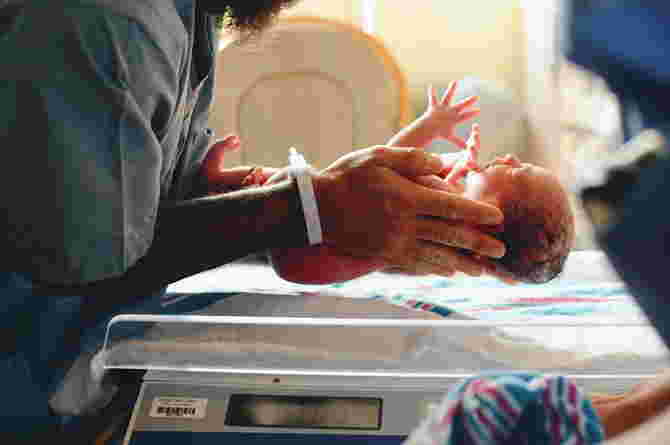
An obstetrician can detect duodenal atresia before or after the baby is born.
Before Baby is Born
Before birth, doctors can detect the potential for duodenal atresia using the following methods:
- Fetal ultrasoundor fetal ultrasound (USG) : This test can examine the baby's digestive tract. The presence of two "bubbles" representing the stomach and duodenum or just a large stomach bubble would raise concerns about duodenal atresia or stenosis. Ultrasound may also show high levels of amniotic fluid (polyhydramnios). Normally, babies swallow and absorb some amniotic fluid in the womb. However, babies with duodenal atresia or stenosis may not swallow and absorb the normal amount of amniotic fluid. This can result in excess amniotic fluid surrounding the baby.
- Fetal magnetic resonance imaging(MRI) or fetal magnetic resonance imaging : This imaging test may show some similar findings to ultrasound, but can be helpful in determining the extent of atresia—if it is not apparent on ultrasound.
If duodenal atresia is suspected or diagnosed prenatally, ask your obstetrician to look for chromosomal abnormalities in your baby, such as Down syndrome. This can be done by performing an amniocentesis, a test to check for genetic or chromosomal conditions (such as Down syndrome) that involves analyzing a small sample of your amniotic fluid.
Even if your doctor suspects duodenal atresia before birth, he or she cannot verify the diagnosis until your baby is born.
After the Baby is Born
After your baby is born, the doctor may do:
- Abdominal X-ray: This test looks for air or fluid in the abdomen and first part of the intestine. With this tool the doctor will be able to see the baby's stomach is enlarged (widened) to the duodenum without air further down the intestine - called a 'double bubble'.
- Barium swallow test : This test uses a safe amount of barium (a white liquid that shows up on X-rays) and fluoroscopy (using real-time X-rays to make a movie). The provider will use this test to examine the upper gastrointestinal (GI) tract. The baby usually receives the barium through a nasogastric tube (a tube that runs through the nose into the upper digestive tract). This test is most useful for determining partial duodenal obstruction or stenosis and for looking for other causes of symptoms in the absence of a clear diagnosis of duodenal atresia.
Treatment or Cure for Duodenal Atresia
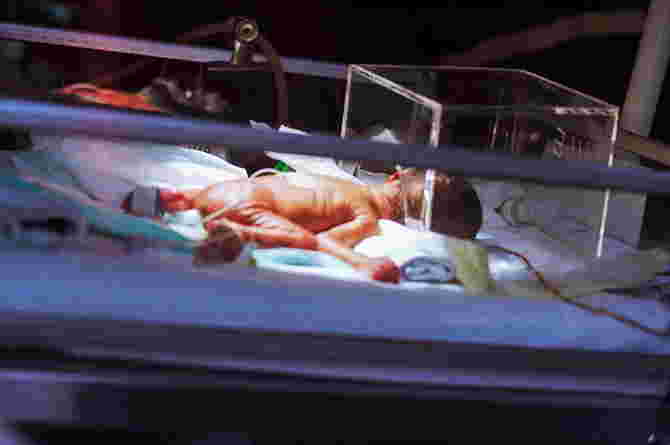
Operation
This small bowel abnormality can be treated with surgery, but it is not an emergency. Most babies born with duodenal atresia will probably have surgery within two to three days of birth. However, some babies may need other procedures before their duodenal atresia is treated.
So before deciding to do anything, it is a good idea for the doctor to take plenty of time to evaluate the baby's condition in order to optimize the actions taken for the baby.
If the blockage is very severe, the baby usually cannot be breastfed. One way to feed the baby is with parenteral nutrition (giving food through an IV or directly into the stomach). The doctor will also equip them with a tube placed into their stomach through the nose or mouth to remove air and fluid that has built up from the obstruction.
The name of the operation for duodenal atresia isduodenoduodenostomy(duodenoduodenostomy). The procedure involves connecting the parts of the duodenum before and after the obstruction, effectively bypassing the obstruction.
Some severely obstructed bowel may need to be surgically removed. Very rarely in cases of partial duodenal obstruction this is done endoscopically with dilation. When the obstruction is caused by compression from something outside the duodenum, surgical repair will depend on the problem identified by the surgeon later.
Treatment and Recovery Process
After surgery, your baby will be cared for and monitored for recovery in the neonatal intensive care unit ( NICU ). It may take a week or more for his or her intestines to be ready for food.
During this time, a tube will be left in place to decompress the abdomen of any air and fluid. Some babies will also need mechanical ventilation for a few days to help them breathe.
After that, the baby will still stay in the hospital for the next two to three weeks. The mother can only take him home after the baby can really be breastfed through the mouth and his weight increases.
The length of hospital stay also varies depending on whether or not other conditions have been diagnosed associated with this bowel disorder.
Prevention of Duodenal Atresia, Can It Be Done?
No, as explained above, there is currently no known way to prevent this bowel disorder.
Doctors also cannot treat duodenal atresia until after the baby is born. If duodenal atresia is detected before the baby is born, doctors can only take extra steps to reduce the risk of birth complications. For example, by:
- Avoiding increased amniotic fluid , as too much amniotic fluid buildup can increase the risk of premature labor . If necessary, your doctor may use amnioreduction, a procedure to remove some of the excess amniotic fluid .
- Prenatal counseling. Your doctor will also be able to offer prenatal counseling and suggest birthing centers that are equipped to care for your baby. This can decrease the age at diagnosis and surgery, reduce the time until your baby can tolerate full oral feeds, reduce the length of hospital stay and avoid common problems with fluid and electrolyte management.
Don't forget to ask the hospital whether your baby's treatment costs are covered by BPJS or the health insurance you use.
Thus Parents explanation related to duodenal atresia condition. Hopefully it can be useful for you.
Republished with permission from theAsianParent Indonesia


 Together Against RSV
 Pregnancy
 Parenting
 Child
Child Feeding & Nutrition
 Education
 Lifestyle
 Events
 Holiday Hub
 Aptamil
 TAP Recommends
 Shopping
 Press Releases
 Project Sidekicks
 Community
 Advertise With Us
 Contact Us
 VIP
VIP Rewards
 VIP Parents
