Egg allergy in babies is one of the most common allergies in children, after cow’s milk allergy. Symptoms of an egg allergy in babies can appear immediately to several hours after the child consumes eggs or other foods containing eggs.
Allergies to egg whites are the most common compared to egg yolks.
Unfortunately, eggs are an ingredient in many foods, including canned soups, salad dressings, ice cream and meat-based dishes such as meatballs and meatloaf.
In fact, some commercial egg substitutes even contain egg protein. Therefore, people with egg allergies should be vigilant and carefully read labels before purchasing certain foods.
What is an Egg Allergy?

Eggs are rich in protein as a food to increase height.
When someone has an egg allergy, the immune system, which normally fights infection, overreacts to the proteins in eggs. If the person drinks or eats products containing eggs, the body mistakes these proteins for harmful elements. The immune system responds by overworking to fight the invader, which then causes an allergic reaction.
What are the Symptoms of Egg Allergy in Babies?
Itching is a common reaction when someone has an allergy to certain foods. You may also experience other symptoms, including:
- Difficulty breathing
- Cough and hoarse voice
- Sore throat
- Stomach ache
- Vomiting accompanied by diarrhea
- Itchy and watery or swollen eyes
- Red spots appear on the skin
- Loss of self-awareness
In rare cases, a person may even experience a very serious allergic reaction that can lead to anaphylaxis. Immediate medical attention is required, as the person may experience breathing problems and low blood pressure.
What is Anaphylaxis?
A severe allergic reaction can lead to anaphylaxis , a life-threatening emergency that requires an immediate injection of epinephrine (adrenaline) and a trip to the emergency room.
As quoted from the Mayo Clinic health page , signs and symptoms of anaphylaxis include:
- Narrowing of the airways, including a swollen throat or lump in the throat that makes it difficult to breathe
- Stomach ache and cramps
- Rapid pulse
- Shock, with a severe drop in blood pressure that is felt as dizziness, lightheadedness or loss of consciousness
Check with your doctor about any reactions you or your child experience. The severity of egg allergic reactions can vary from one person to another, so even if a previous reaction was mild, subsequent reactions could be more serious.
If your doctor feels your child may be at risk for a severe reaction, he or she may prescribe an emergency epinephrine injection, in case anaphylaxis occurs.
Causes of Egg Allergies in Babies
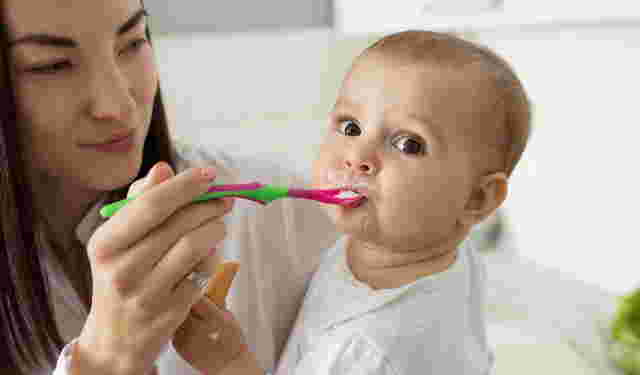
So, what are the causes of egg allergies in babies?
Food allergies occur due to an overreaction of the immune system. Egg allergies occur when the immune system mistakenly identifies certain egg proteins as a danger sign.
Egg Protein is Recognized by the Body as a Dangerous Foreign Substance
This is explained on the Mayo Clinic health page . It explains that when you or your child reacts to egg protein, immune system cells (antibodies) recognize it and signal the immune system to release histamine and other chemicals that cause allergy signs and symptoms .
Egg Whites Have a Higher Chance of Causing Allergies

Both egg yolks and egg whites contain proteins that can cause allergies, but allergies to egg whites are the most common.
If your baby is already allergic to eggs , they’re likely to develop an allergy again if they’re breastfed by a mother who consumes eggs. Therefore, if your baby is allergic to eggs, you should avoid them as much as possible, especially while breastfeeding.
Factors Influencing Egg Allergies in Babies
Certain factors can increase the risk of developing an egg allergy in your child. The following are some of them, as quoted by the Mayo Clinic:
Atopic Dermatitis
Children who are prone to atopic dermatitis on their skin are more likely to experience food allergies than children who do not have skin problems.
Family History
Your child is at higher risk of developing a food allergy if one or both parents have asthma, a food allergy, or another type of allergy — such as hay fever, hives, or eczema.
Age
Egg allergies are most common in children. As they get older, their digestive systems mature and food allergic reactions become less common.
Egg Allergy Complications

The most significant complication of egg allergy is experiencing a severe allergic reaction that requires an epinephrine injection and emergency treatment.
If you or your child has an egg allergy, you or your child may be at higher risk for the following conditions:
- Allergies to other foods, such as milk, soy, or peanuts
- Allergies to pet dander, dust mites, or grass pollen
- Allergic skin reactions such as atopic dermatitis
- Asthma, which in turn increases the risk of severe allergic reactions to eggs or other foods.
What Will the Doctor Do?
Doctors will usually diagnose egg allergies in babies by performing a skin test or blood test. A skin test (also called a scratch test) is the most common allergy test . A skin test allows doctors to determine within about 15 minutes if a baby is sensitive to eggs.
In this test, a doctor or nurse will apply a small amount of egg extract to the child’s skin by puncturing the outer layer of skin or making a small scratch. If the area becomes swollen and red (like a mosquito bite), the child is sensitive to the eggs.
How to Treat Egg Allergies in Babies
The best way to treat an egg allergy is to avoid eating eggs or foods containing them. Parents should avoid serving foods containing eggs for a period of time. However, older children are generally better able to overcome this allergy.
Other Important Things Parents Should Know
Allergies are unpleasant for most people, especially for babies and children who can’t yet express their emotions well. Parents should make it a habit to wash their hands before eating. Avoid hand sanitizers, which are less effective at eliminating allergic reactions to egg proteins.
Pay attention if your child experiences stomach upset after eating eggs, and don’t hesitate to consult an allergist. Egg allergies typically develop when the immune system is overly sensitive and overreacts to the proteins in eggs. It’s important to remember that an allergic person perceives the proteins as foreign substances and then sends chemicals to fight them.
Experts estimate that as many as 2% of egg allergies occur in babies, in addition, research shows that around 70% of children experience egg allergies when they enter adolescence.
Not only mild allergies, severe egg allergies can cause mild rashes to anaphylaxis, a respiratory disorder that can be life-threatening.
How to Prevent Egg Allergies in Babies
Here are some things you can do to avoid allergic reactions, as recommended by the Mayo Clinic:
Pay attention to the composition labels of food products.
Read food labels carefully. Some people react and develop allergies to foods containing even small amounts of egg.
Be careful eating food at food stalls
Be careful when eating out. You can’t be completely sure that food you haven’t prepared yourself doesn’t contain egg protein.
Communicate Your or Your Little One’s Condition Clearly
Tell your child’s caregivers about your child’s egg allergy. Talk to your child’s babysitter, teacher, relative, or caregiver about your child’s egg allergy so they don’t accidentally give your child products containing eggs. Make sure they understand what to do in an emergency.
If a Child Has an Egg Allergy, Breastfeeding Mothers Should Avoid Eating Eggs Too
If you’re breastfeeding, avoid eggs. If your child has an egg allergy, they may react to the protein they absorb in their breast milk.
Anyone diagnosed with an allergy to egg whites or yolks should avoid eggs altogether; it’s impossible to completely separate the whites from the yolks. Antihistamines can help relieve egg allergy symptoms, such as itching. Consult a doctor if your allergy persists, Parents !
***
Republished with permission from theAsianParent Indonesia


 Together Against RSV
 Pregnancy
 Parenting
 Child
Child Feeding & Nutrition
 Education
 Lifestyle
 Events
 Holiday Hub
 Aptamil
 TAP Recommends
 Shopping
 Press Releases
 Project Sidekicks
 Community
 Advertise With Us
 Contact Us
 VIP
VIP Rewards
 VIP Parents
