Breast milk (ASI) is the best food for newborn babies and is rich in important nutrients for babies.
The World Health Organization (WHO) and the American Academy of Pediatrics (AAP) recommend that babies should be exclusively breastfed for the first 6 months of life.
In fact, it is recommended that mothers can breastfeed until the child is 24 months or 2 years old.
However, what happens if a baby is faced with the condition of not being able to get breast milk from his mother since birth?
As is known, breastfeeding is the healthiest way to feed a baby.
Breast milk is rich in important antibodies, such as proteins that support the baby’s immune system.
Research shows that breastfed babies are less likely to suffer from certain illnesses, from ear infections and allergies to stomach problems.
Besides its nutritional benefits, breastfeeding is convenient and affordable. Furthermore, it also fosters bonding between mother and baby.
Although breast milk provides good benefits for the growth and development of your little one, unfortunately not all babies get breast milk from their mothers.
There are several reasons why a baby cannot get breast milk from its mother, such as slow milk production, the mother experiencing problems with latching (sore nipples or inflammation in the breast), or even the death of the mother.
As a result of this,Parentsmust look for alternative newborn baby food as a substitute for breast milk.
What are the alternatives to breast milk for newborns?

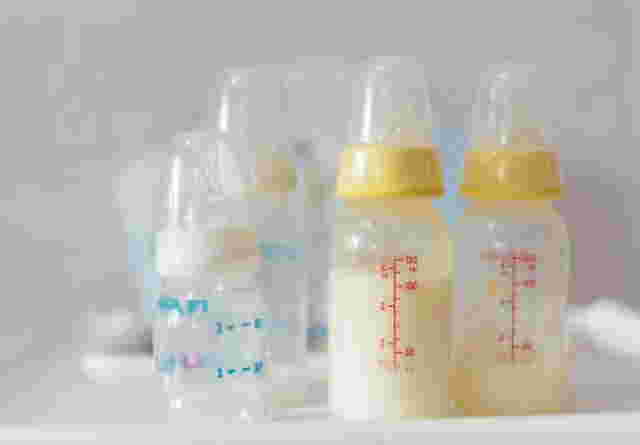
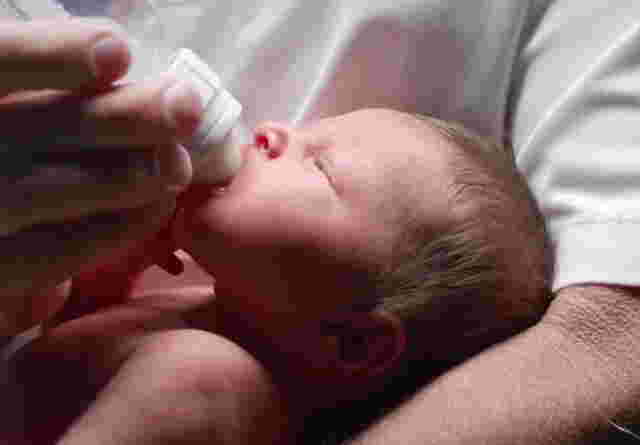
An alternative food for newborn babies to replace breast milk is formula milk.
Infant formula is a synthetic form of liquid nutrition designed to mimic the nutritional quality and composition of breast milk.
Based on data from the Food and Drug Administration (FDA), a minimum of 29 different nutrients is required in infant formula, with at least 9 of them having a certain level that cannot be exceeded.
The rules include the same amount of calories, fat, and protein per ounce as breast milk.
There are 8 choices of baby formula milk or alternative food for newborn babies to replace breast milk, namely:
1. Special Formula Milk for Newborns
Some health professionals may recommend giving special newborn formula to replace breast milk, especially to babies with certain conditions.
As reported on the WebMD page , formula milk containing cow’s milk protein can be an alternative food for newborn babies.
Most formulas are based on cow’s milk that has been modified to closely resemble human breast milk.
According to the National Health Service page , choose formula milk that containswheyand casein.
The first infant formulas were based on proteinwheywhich is considered easier to digest than other types of formula milk.
Meanwhile, casein provides amino acids which are important for increasing the body’s metabolic rate.
However, it is important to remember that unmodified milk does not provide enough vitamin E, iron, or essential fatty acids.
As a result, the baby’s body system cannot handle the high levels of protein, sodium, and potassium in unmodified cow’s milk.
So, Parents You also have to be careful and always consult a doctor, okay!
2. Soy-Based Formula Milk
According to a 2016 publication in the journal Nutrients , soy protein-based formula is an effective option for infants with galactosemia, or congenital lactase deficiency.
They help babies with colic and milk allergies .
However, it is rare for a baby who is allergic to cow’s milk to also be allergic to soy milk.
However, soy milk products should not be used in babies under 6 months of age with food allergies.
This is due to the contentphytoestrogensin soy-based formulas can cause potential harm to the baby.
However, this is still controversial.
3. Hypoallergenic Formula Milk
Quoted from the pageNHS, hypoallergenic milk is an alternative to formula milk for babies allergic to cow’s milk or soy milk.
This formula milk is easy to digest because it is made from fully hydrolyzed (broken down) protein.
The proteins in this milk have been broken down into smaller pieces than those found in cow- or soy-based products.
For babies who have protein allergies, extensively hydrolyzed formula is an alternative.
However, administering it still requires prior consultation with a doctor, okay? Parents.
4.Comfort Formula
This type of formula milk contains partially hydrolyzed cow’s milk protein .
This milk is supposed to make it easier for babies to digest and help prevent digestive problems such as colic and constipation .
However, partially hydrolyzed formula is not suitable for babies who have a cow’s milk allergy.
5. Lactose-Free Formula Milk
Based on pageNHSThis formula milk is suitable for babies who are lactose intolerant .
This condition means the baby cannot absorb lactose, which is a sugar naturally present in milk and dairy products.
Lactose intolerance is rare in infants. Symptoms include diarrhea, abdominal pain, gas, and bloating.
6. Hungry Milk
This type of formula contains more casein thanwhey,and casein is more difficult for babies to digest.
Although it is often described as suitable for “babies who are hungrier more often”.
However, there is no evidence that babies become calmer or sleep longer when fed this type of formula.
7. Anti-Reflux Formula Milk
This type of formula is thickened to prevent reflux in babies (when the baby spits up milk during or after feeding).
Reflux in babies is also known as gastroesophageal reflux disease ( GERD ).
This condition occurs in younger babies.
This is because the small ring of muscle between the stomach and esophagus is immature and not fully functional, like a valve that does not close properly.
Instructions for making anti-reflux formula may differ from standard formula.
General guidelines for making the formula recommend using boiled water that has been left to stand for no more than 30 minutes, so that the temperature is still above 70 degrees Celsius.
Some manufacturers of anti-reflux formulas recommend making them at a lower temperature than is usually recommended.
Otherwise, the milk will likely curdle.
It’s important to be careful when preparing and storing this product. The powdered formula isn’t sterile, and lower temperatures won’t kill any harmful bacteria that may be present.
8. Amino Acid Formula Milk
Quoted from the journal Nutrients , amino acid formula is another option for babies who have severe cow’s milk allergy with reactions or refusal to swallow the right amount of extensively hydrolyzed formula.
This milk provides protein in the form of free amino acids without peptides.
However, there is an important note, some formula milk or newborn baby food must be accompanied by a prescription or recommendation from a doctor or expert.
The reason is, the use of formula milk may only be given according to the baby’s body condition.
It is highly not recommended to buy such milk and give it to babies based on personal or individual advice.
Besides that, ParentsIt is also mandatory to know some newborn baby foods or types of milk that should be avoided.
Types of Milk to Avoid
According to Orlando pediatrician and lactation consultant Joan Y. Meek, MD, commercially available infant formulas typically list several add-ins or special benefits on the label, such as probiotics, omega-3s, eye health, and more.
He explained that in head-to-head studies of infants receiving formula milk products, there were differences and small impacts on infant health.
Here are some types of milk to avoid:
- Imported formula milk does not have BPOM : The FDA also advises parents to pay more attention to the contents of some imported formula milk that does not comply with the safety guidelines of the Food and Drug Supervisory Agency (BPOM) of each country.
- Unmodified animal milk : Unmodified animal milk is also not recommended as a breast milk substitute for newborns. This includes milk from cows, goats, or sheep. Differences in protein and electrolyte concentrations are some of the reasons why these types of unmodified milk are not suitable breast milk substitutes. Using such milk can put extra stress on the baby’s kidneys and lead to various nutritional deficiencies.
- Unpasteurized milk . Unpasteurized milk can increase the risk of dangerous infections. Pasteurized cow’s milk should also not be given as a primary drink to infants under 12 months of age .
- Rice water : Using rice water or coconut milk as a substitute for breast milk can result in severe malnutrition.
- Non-dairy drinks , such as juice and sweets. T he use of such drinks can cause severe malnutrition, digestive disorders, reduced appetite, failure to thrive, tooth decay, and obesity.
- Caffeinated beverages . Drinks like tea also contain tannins, which inhibit nutrient absorption in the body.
***
Despite the pros and cons of giving formula milk as an alternative food for newborns to replace breast milk, some experts recommend giving donor breast milk.
This is because breast milk donation is considered the next best option, especially for premature or low birth weight babies.
For healthy newborns whose mothers are unable to provide sufficient breast milk, the current options are formula milk.
But again, always consult a doctor before giving it to your baby.
***
Republished with permission from theAsianParent Indonesia


 Together Against RSV
 Pregnancy
 Parenting
 Child
Child Feeding & Nutrition
 Education
 Lifestyle
 Events
 Holiday Hub
 Aptamil
 TAP Recommends
 Shopping
 Press Releases
 Project Sidekicks
 Community
 Advertise With Us
 Contact Us
 VIP
VIP Rewards
 VIP Parents
