The health condition of your little one can be assessed from their bowel movement habits. That is why it is important for parents to always observe the color of their little one’s feces , their aroma, and their bowel movement frequency. So, what if your baby keeps pooping, is there a need to worry?
Constant pooping can be a sign of digestive problems experienced by your little one. However, to ensure that your baby is really experiencing problems with his digestive tract, Parents must first know the frequency of normal and abnormal bowel movements in babies.
Normal Frequency of Baby Pooping
In general, the frequency of babies varies, especially greatly influenced by their age and food intake. For example, babies who are exclusively breastfed have different bowel movements than babies who are formula fed.
Frequency of Bowel Movements in Newborn Babies
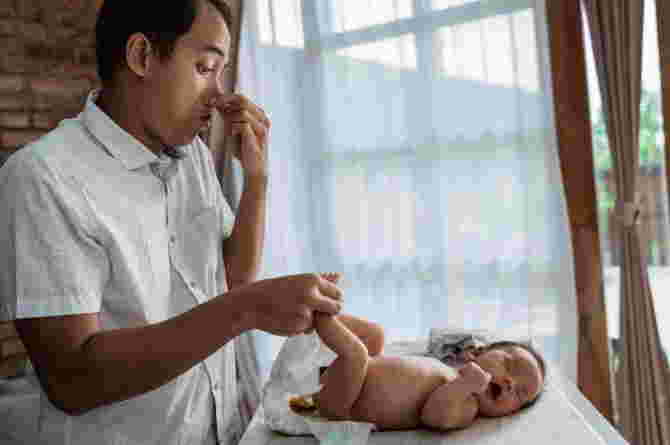
Newborn babies will pass meconium , a sticky black substance, within the first 24-48 hours after birth. After about three days, your little one’s stool changes to a lighter, looser stool, usually light brown, yellow, or yellow-green in color.
Frequency of Bowel Movements in Exclusively Breastfed Babies
Furthermore, during the first 6 weeks of life, babies who are exclusively breastfed have yellow feces, at first glance the color and texture are similarmustard.
Usually, babies who are exclusively breastfed have stools that tend to be runny and not solid. But don’t worry, Parents , this is not a bad sign. On the contrary, it means that the baby is absorbing food and nutrients from breast milk.
Your little one’s bowel movement frequency is at least 3 times a day, but in some babies the frequency may be up to 4-12 times. After that, the baby may only have a bowel movement every few days.
Frequency of Bowel Movements in Formula-Fed Babies
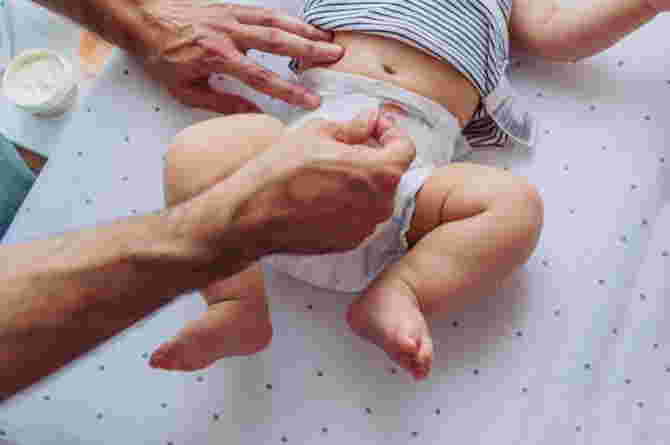
As for formula-fed babies, their stool is light brown or yellow-green. The consistency of formula-fed babies’ stool may be slightly more solid like peanut butter.
Meanwhile, the frequency of baby’s bowel movements is around 1-4 times per day. After the first month, the baby only has one bowel movement per day.
Frequency of Bowel Movements in Babies Who Have Been Given Solid Food (MPASI)
The color, frequency, and consistency of baby’s stool will change again after being introduced to solid foods at around 6 months of age. In this phase, bowel movements will be thicker and more formed with a frequency of 1-2 bowel movements per day.
The food that parents give to babies will also affect the color of their stool. For example, yellow carrots and sweet potatoes can turn the stool orange, while green beans and peas can turn it green.
Parents may also find food that is not digested at all and ends up in the diaper in its original form. In fact, the introduction of solid foods can increase the chances of constipation in babies.
Abnormal Frequency of Baby Pooping
After the first month, it is normal for a baby to poop at every diaper change, but it is also normal for a baby to poop only once every few days or even longer.
That is why it is very important to observe the consistency of the baby’s stool, not only assessing the frequency of bowel movements.
3 Times a Day and Loose Stools
A sudden increase in the number of bowel movements and a change in stool consistency can be a sign of digestive problems. If your little one is having more than three bowel movements a day with stools that appear runny or very runny, it is an early sign of diarrhea in babies.
6-9 Times a Day with Loose or Watery Stools
Parents need to know that if a baby produces around 6-9 liquid feces a day, it means the baby is experiencing moderate diarrhea.
Abnormal Frequency of Baby Bowel Movements: 10 Times a Day or More and Watery Stools
Severe diarrhea in babies is characterized by a frequency of liquid bowel movements reaching 10 times or more a day.
Loose or liquid stools generally do not cause dehydration. Watery stools that are passed very frequently can cause babies to become dehydrated.
Causes of Continuous Baby Pooping
There are several things that can cause changes in your little one’s bowel movements. For example, switching from breast milk to formula or changing the type of formula given to your baby can cause changes in the amount, consistency, and color of stool.
If your baby keeps pooping, here are a number of factors that could be the cause.
1. Immature Digestive System

In the early months of a baby’s life, he or she can poop more than 5 times a day. Breastfed babies can even poop up to 10 times a day or every time after breastfeeding.
This condition can occur because the baby’s digestive system is not fully mature. When food enters the stomach, a gastrocolic reflex occurs which causes the large intestine to contract.
Formula-fed babies may also poop after every meal in the first few weeks of life. This is all considered normal.
Parents don’t need to worry too much, as long as the stool looks soft, not liquid or hard. That means there is no problem with the little one’s digestion. A healthy baby will look cheerful and his weight will continue to increase.
2. Baby has acute diarrhea
It is possible that a baby’s continuous pooping is a sign of diarrhea. A baby is said to have diarrhea if their stool looks runny or watery with a frequency of pooping more often than usual.
Diarrhea itself is caused by various different factors. It could be due to contamination of germs or the influence of food intake.
The causes of acute diarrhea include:
- Viruses (such as Rotavirus), viral infections of the intestines that are the most common cause of diarrhea.
- Bacteria (such as Salmonella), often cause stool to contain blood spots.
- Effects of antibiotics , many antibiotics cause mild diarrhea. If this happens to your little one, continue giving antibiotics and contact your doctor if serious symptoms occur.
3. Baby has cow’s milk allergy
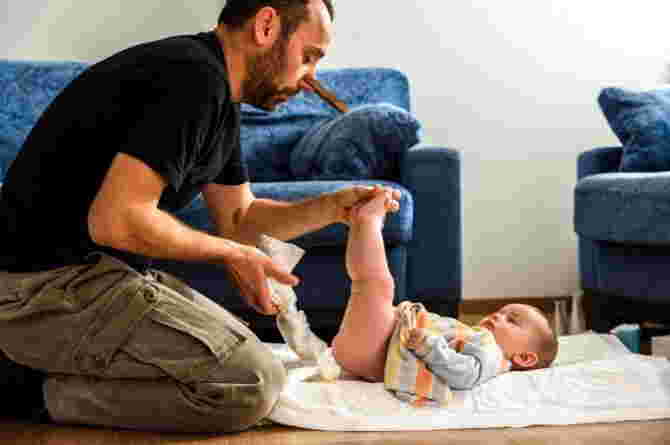
Another possibility is that the baby experiences repeated diarrhea due to cow’s milk allergy . This allergy can cause loose and slimy stools in babies to contain blood. This condition usually begins in the first 2 months of a baby’s life. Consult a doctor if you suspect your baby has a cow’s milk allergy.
4. Lactose Intolerance in Babies
Lactose is a natural sugar found in milk. However, some babies cannot absorb lactose. As a result, intestinal bacteria convert lactose into gas. The main symptoms of lactose intolerance are feeling gassy, loose stools, and bloating.
Does Continuous Baby Pooping Always Be a Sign of Diarrhea?
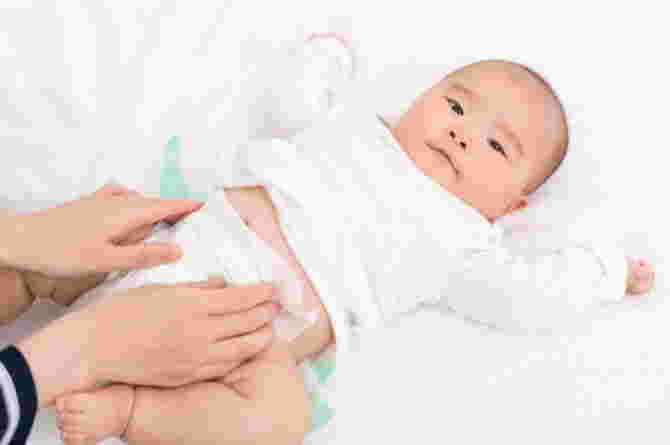
When you find your baby pooping more often, parents may feel worried that something is wrong with their little one’s digestion. However, as mentioned above, there are various factors that can cause your baby’s poop frequency to increase.
Not always a baby pooping continuously is a sign of diarrhea. Especially if the baby’s stool looks normal and is not runny or does not contain mucus. So, make sure Parents always observe their little one’s diaper carefully, okay.
Baby Poop Signs to Watch Out For
In some cases, unusual stool color can be a sign of a medical problem. Be alert if your baby’s stool has signs such as:
- Blackish green stool after the baby is 5 days old, blackish tar-like meconium stool should no longer be present after the fifth day of the little one’s life.
- Black stools can indicate bleeding from within the digestive tract.
- White, gray, or colorless stool, although rare, can be a sign of a problem with the liver or gallbladder.
When to See a Doctor?
Immediately contact a doctor or the nearest health center if your baby experiences symptoms such as:
- Baby has had 6 or more loose stools in the last 24 hours.
- Age less than 1 month, experiencing 3 or more loose stools in the last 24 hours.
- Appears dehydrated, marked by no urine in more than 8 hours, dark urine, very dry mouth and no tears.
- There is blood in the stool.
- Continuous abdominal pain that lasts more than 2 hours.
- Vomiting 3 times or more.
- Fever above 40° C.
- The baby appears weak or in pain.
Well, that’s a review of normal and abnormal baby poop conditions. Babies who poop continuously are not always a sign of diarrhea. So, make sure Parents always check the appearance of baby’s feces every time they change their diapers.
Republished with permission from theAsianParent Indonesia


 Together Against RSV
 Pregnancy
 Parenting
 Child
Child Feeding & Nutrition
 Education
 Lifestyle
 Events
 Holiday Hub
 Aptamil
 TAP Recommends
 Shopping
 Press Releases
 Project Sidekicks
 Community
 Advertise With Us
 Contact Us
 VIP
VIP Rewards
 VIP Parents
