Toddlers are particularly susceptible to dental diseases, such as tartar and tooth decay. What’s an easy way to remove tartar in babies starting at 1 year old?
Many parents may believe that it’s okay to have damaged baby teeth because they’ll eventually fall out and be replaced by permanent teeth. However, the health of baby teeth will impact the health of future teeth.
Therefore, from the moment a child’s first tooth emerges, we must carefully care for and maintain it. Let’s try some of these ways to keep your child’s teeth clean!
How to Remove Tartar from 1-Year-Old Babies
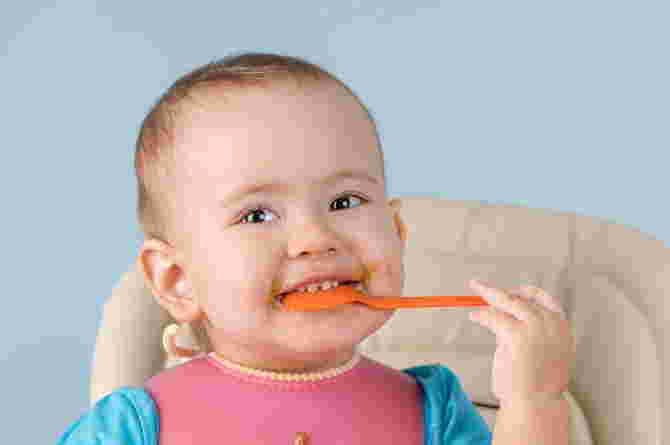
1. Brush your teeth regularly
The easiest way to remove plaque and tartar is to brush your teeth at least twice a day, after breakfast and dinner. It’s also best to wait half an hour after eating before brushing and brush for three minutes.
Use a soft toothbrush and replace it at least every three to four months, when the bristles begin to look worn. Children should be taught to brush their teeth regularly from the time their first tooth erupts.
2. Using an Electric Toothbrush
Apart from using a regular toothbrush,ParentsYou can also use an electric toothbrush to clean your little one’s teeth. Electric toothbrushes are known to be more effective at removing plaque than conventional toothbrushes.
A study shows that in general electric toothbrushes can reduce more plaque and gingivitis than manual toothbrushes.
After three months of using an electric toothbrush, plaque was found to be reduced by 21 percent and gingivitis by 11 percent. Oscillating (rotating) electric toothbrushes also performed better than those that simply vibrated.
3. Use fluoride toothpaste
Why do commercial toothpastes almost always contain fluoride? The reason is that fluoride strengthens tooth enamel and reduces the risk of tooth decay from food and drinks.
Tooth enamel is primarily made of calcium and phosphate. Fluoride adheres to the surface of tooth enamel, reducing the risk of oral bacteria reaching the tooth’s main structure (dentin).
Fluoride also helps inhibit the ability of bacteria to form plaque and stick to teeth, which limits its impact on overall dental health.
In fact, fluoride actually helps damaged teeth to heal and regenerate.
4. Using Dental Floss
When baby teeth first come in and are not close together, brushing alone is sufficient.ParentsYou can start cleaning your child’s teeth as soon as he or she has two adjacent teeth.
Use dental floss to remove plaque in areas between teeth and under the gums that a toothbrush cannot reach.
Dental floss also helps remove debris that can get stuck in the small spaces of your little one’s mouth and eliminates bad breath.
Most children can’t floss on their own until they are about six years old, soParentshave to do it.
The healthy habit of regularly flossing teaches them to keep doing it regularly until they can floss on their own.
To use dental floss on children,Parentscan sit behind the child and ask them to tilt their head to look up.
Then rest their head on their shoulder or upper armParentsand use the hand that is not holding the thread to gently pull her cheeks and lips so thatParentscan see into his mouth.
If using traditional dental floss, hold about 45 centimeters of floss between your thumb and index finger, then wind the floss around your index finger.Parents.
Gently guide the floss between two teeth, loosening it and curling it around the tooth. Brush up and down one side of the tooth, then slide it below the gum line and then up and down the other side of the tooth.
Use a new piece of floss each time you move to the next row of teeth.
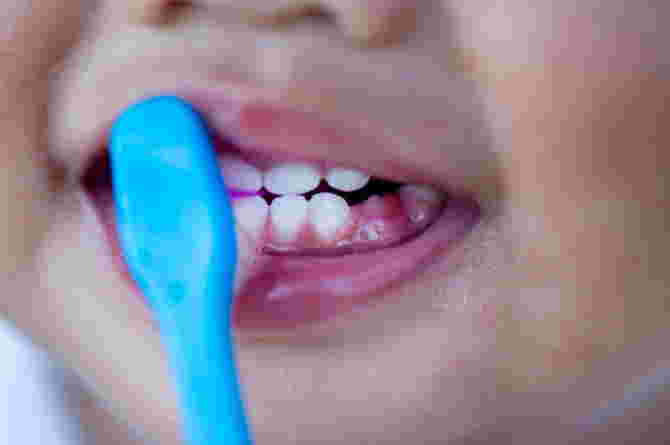
5. Use Baking Soda
UsebakingAn occasional soda rinse is a great way to remove plaque from your teeth.
Researchers have found that people who brush their teeth with toothpaste containingbakingsoda removed more plaque and had less plaque regrowth over 24 hours than people who brushed with toothpaste that did not containbakingsoda.
BakingSoda or baking soda is effective at removing plaque because it is a natural cleanser and abrasive. However,Parentsneed to be careful when usingbakingsoda for brushing young children’s teeth and use only a small amount.
To use it, take a tablespoon of baking soda and add a pinch of salt. Then, wet your toothbrush and dip it in the mixture. Afterward, brush your teeth as usual and rinse thoroughly.
6. Gargle with oil
If the child can already gargle,ParentsYou can try the method of cleaning tartar using natural oils.
For this method, oils that are safe to swallow are usually used, such as coconut oil or olive oil.
Coconut and olive oils are believed to be particularly beneficial because they contain fatty acids such as lauric acid, a substance with anti-inflammatory and antimicrobial effects.
The method is simple: take a tablespoon of oil and gargle for 20 to 30 minutes, then spit it out. While the oil is in your mouth, it will wash away and dissolve the bacteria that cause plaque.
Gargling with this oil can strengthen teeth, prevent tooth decay, soothe sore gums, and remove plaque.
7. Brushing Teeth with Aloe Vera
Aloe vera has many benefits in everyday life. However, did you know?Parentsthat aloe vera can also keep teeth free from plaque?
Aloe vera has anti-inflammatory and antibacterial properties. This plant is also rich in antioxidants.
Since ancient times, people have used aloe vera to treat and relieve inflammation associated with gum disease and other oral problems.
To treat plaque with aloe vera, take a cup of water and mix it with half a cup of baking soda and a teaspoon of aloe vera gel.
Then,ParentsYou can add 1 to 2 drops of lemon essential oil and four teaspoons of vegetable glycerin. Finally, brush your teeth with this mixture and rinse as usual.
8. Using Orange Peel
Don’t throw away the orange peels used to make your little one’s fruit juice. Orange peels have been shown to reduce plaque.
Orange peel can be a very effective solution for removing tartar without having to go to the dentist.
Vitamin C and antimicrobial properties in orange peel can cut the formation of tartar and plaque and kill microbial growth on teeth.
How to use it is also very easy, just rub the orange peel on your teeth regularly to help fight microorganisms that form tartar on tooth enamel.
ParentsYou can also mash the peel and apply it to the stained area. Leave it on for a few minutes, then rinse thoroughly. This method can also be used to whiten teeth.
How to Prevent
1. Regular visits to the dentist
Source: Freepik
Regular dental check-ups with the dentist are also important in preventing additional plaque and tartar buildup on the teeth.
The dentist will scrape and clean the teeth so that they are free from plaque and tartar.
In addition, if necessary, fluoride treatment can also be carried out (fluoride treatment) which can prevent and slow the growth of plaque bacteria and tartar buildup on teeth and help prevent tooth decay.
Visit the dentist at least once every six months, without waiting for a toothache first.
2. Reduce Consumption of Sweet and Starchy Foods

Source: Freepik
Bacteria in the mouth thrive on sugary and starchy foods. Every time you eat, your bacteria are also fed. When exposed to these types of foods, they release harmful acids that cause plaque and tartar .
Try to eat healthy foods and limit the amount of sweets your little one eats. This also applies to snacks.
This doesn’t mean your child shouldn’t eat candy or sweets at all, but limit them to an occasional treat. Brush your teeth and drink plenty of water during and after eating sweets.
3. Increase your intake of fruits and vegetables
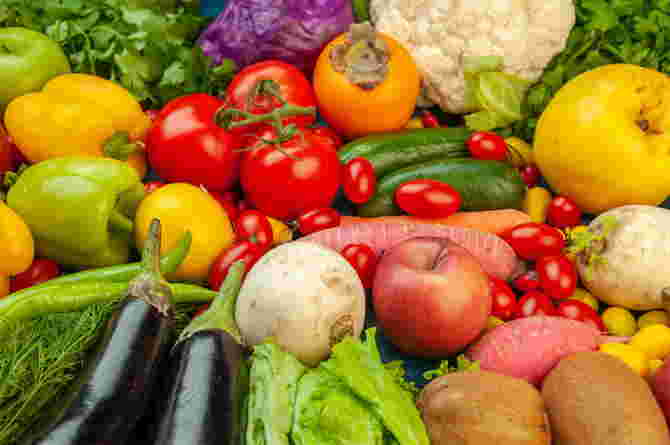
Sumber: Freepik
Crunchy fruits and vegetables, such as apples, carrots, and celery, can help prevent and clean plaque from teeth and freshen breath.
Many fruits and vegetables contain high levels of antioxidant vitamins, such as vitamin C, which can help protect the gums and other tissues from cell damage and bacterial infection.
***
These are some ways to remove tartar from babies starting from the age of 1 year.
However, the most basic thing is to maintain dental hygiene by brushing your teeth regularly.
Hope this information is helpful!
Republished with permission from theAsianParent Indonesia


 Together Against RSV
 Pregnancy
 Parenting
 Child
Child Feeding & Nutrition
 Education
 Lifestyle
 Events
 Holiday Hub
 Aptamil
 TAP Recommends
 Shopping
 Press Releases
 Project Sidekicks
 Community
 Advertise With Us
 Contact Us
 VIP
VIP Rewards
 VIP Parents
