“Why is my breast milk pink?!”
If you’ve ever looked at a bottle of freshly pumped milk and felt your heart skip a beat, you’re not alone. Many breastfeeding moms have been startled by milk that’s not the usual white or creamy shade, think green, orange, rust, even strawberry pink.
Before you panic or call your doctor at midnight, here’s the good news: breast milk comes in a surprising range of colors, and in most cases, it’s nothing to worry about. In fact, that change in hue may be a totally harmless sign of what you ate, how your body’s adjusting postpartum, or even just which part of your milk you’re seeing.
Here’s a helpful guide to common breast milk colors, their causes, and when to check in with a healthcare provider.
Breast Milk Colors
Breast Milk Colors: What’s Normal, What’s Not, and When to Worry
Yellow to Orange
This is usually colostrum, your very first milk after birth. It’s thick, rich, and packed with antibodies and beta-carotene, hence the golden tint. Later on, yellow or orange tones may also appear in mature milk if you’ve been eating a lot of carrots, pumpkin, sweet potato, or squash.
Take note: Totally normal. Nothing to worry about.
White to Bluish
This is your mature milk, and its color can shift depending on fat content.
-
Bluish or watery milk = foremilk (early in a feed or pump session)
-
Creamier or whiter milk = hindmilk (later in the session, higher in fat)
Take note: Also normal. Your milk naturally adjusts to your baby’s needs.
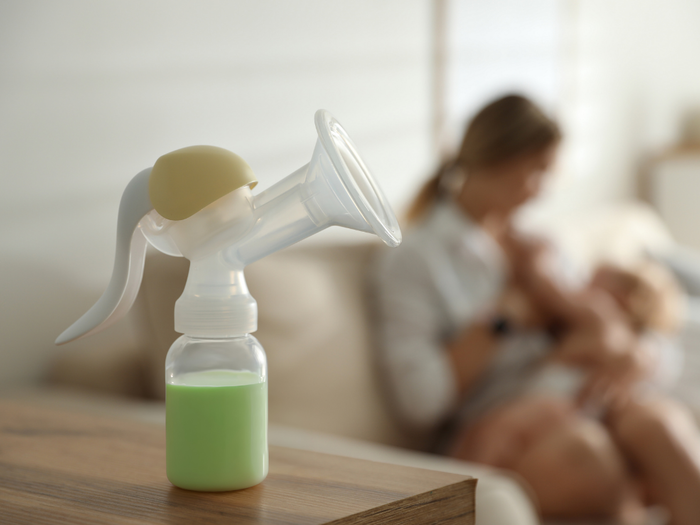
Green
Surprised to see green milk? It’s usually due to what you ate like leafy greens, spirulina, green smoothies, or even food dyes.
Sometimes supplements like iron or certain herbs can affect color too.
Take note: Safe to feed. Blame it on your green juice.
Pink or Strawberry Milk
This often means there’s a little blood in your milk, possibly from cracked or sore nipples, or a bit of trauma from pumping. While it can look alarming, it’s usually safe to keep breastfeeding.
What to watch:
-
Make sure your baby is latching well
-
Check for nipple trauma
-
If the pink color persists or is accompanied by pain or swelling, see your doctor or lactation consultant
Brown, Rusty, or Orange-Tinged Milk
This could be Rusty Pipe Syndrome, a harmless condition seen in some new moms during the early days of milk production. It’s caused by tiny blood vessels breaking as your body adjusts to making milk, turning it a rusty or brownish shade.
Take note: Not dangerous. It typically clears up in 3–7 days. You can continue breastfeeding unless advised otherwise.
Red, Black, or Strange-Looking Milk
These colors are less common and could indicate:
-
A more significant nipple injury
-
A breast infection like mastitis
-
Blood from a duct papilloma (benign growth)
-
Rarely, medication or food dye
-
Very rarely, an underlying condition needing medical attention
Check in with your healthcare provider if:
-
The colour is bright red, dark brown, or black
-
You have breast pain, fever, or swelling
-
The milk smells off or baby refuses to drink
What if Baby’s Diaper Turns Pink Too?
In rare cases, pinkish milk (or pink-stained diapers) may be due to Serratia marcescens, a harmless but pigmented bacteria. It usually clears with proper hygiene, but consult your doctor if you notice anything unusual.
Quick Tips for Moms

Breast Milk Colors: What’s Normal, What’s Not, and When to Worry
-
Don’t stop breastfeeding just because of milk color, most changes are harmless.
-
Keep nipples moisturized and check for cracks or bleeding.
-
Use a properly sized flange when pumping to avoid trauma.
-
If something feels off, trust your gut and get help.
Your Milk Is Still Magic
Breastfeeding comes with all kinds of surprises, some more colorful than others. But even when your milk looks unfamiliar, it’s still packed with nutrients, comfort, and love.
Your body is incredible. Your milk is powerful. And you’re doing better than you think.


 Together Against RSV
 Pregnancy
 Parenting
 Child
Child Feeding & Nutrition
 Education
 Lifestyle
 Events
 Holiday Hub
 Aptamil
 TAP Recommends
 Shopping
 Press Releases
 Project Sidekicks
 Community
 Advertise With Us
 Contact Us
 VIP
VIP Rewards
 VIP Parents
