It’s normal for your baby’s bowel movements to have an unpleasant odor. However, if your baby’s bowel movements smell like rotten eggs, you might be suspicious. Is this normal, or should you see a doctor?
Babies who are exclusively breastfed typically have looser stools with a softer texture and a less pungent odor. This consistency remains consistent throughout the first six months. The color of their stools ranges from mustard yellow to moss green.
On the other hand, formula-fed babies have firmer stools than breastfed babies. Their stools also have a higher odor, as the particles in formula are larger than in breast milk, taking longer to process and making them smellier. Furthermore, babies who start eating solid foods will naturally have a smellier stool than before. The exact nature of this odor depends heavily on the type of solid food consumed.
It is important for you as a parent to pay attention and know which signs of defecation are normal and which are not? Taking immediate action can prevent your baby from developing other illnesses.
Causes of Baby’s Smell of Rotten Eggs
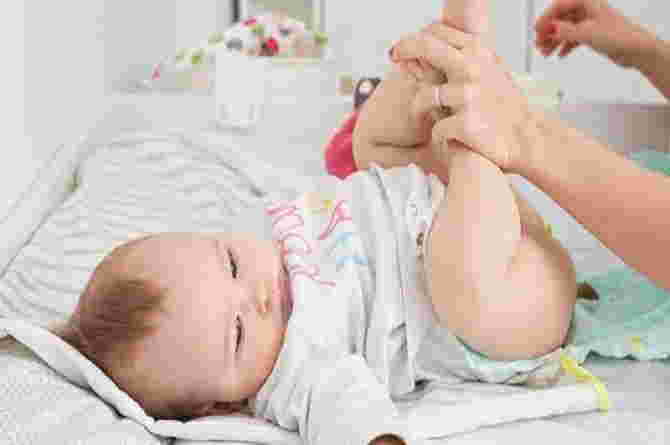
Generally, bowel movements do produce an odor, but if the odor of your baby’s bowel movements is too strong and feels abnormal, it could be due to several of the following reasons, as quoted from easybabylife :
Baby food
As mentioned earlier, babies who eat solid foods will have smellier stools. Whatever they eat will contribute to the odor and consistency of their stool.
A study found that formula-fed babies’ stools contain more odor-causing sulfur gases than breastfed babies’ stools. When babies start eating solid foods, their stools change, becoming more odorous. Foods such as ginger, onions, garlic, vegetables, meat, and fruits contribute to a stronger stool odor.
Lactose Intolerance
Lactose intolerance is a digestive disorder caused by the body’s inability to digest lactose. This can also cause a baby’s stool to smell like rotten eggs. It ‘s important to note that lactose intolerance is caused by a deficiency of the enzyme lactase, which breaks down lactose into simpler sugars for proper absorption in the intestine.
Lactose intolerance is different from a milk allergy. A milk allergy is an allergy to cow’s milk. This is essentially caused by the immune system reacting to cow’s milk. Other milk sources, such as sheep or goat milk, can also cause allergic reactions.
People with lactose intolerance may experience bloating, gas, abdominal pain, and even diarrhea when consuming lactose. To diagnose this condition, your doctor will ask about your baby’s eating habits, as well as other relevant medical and family history. A series of tests for lactose intolerance will also be performed to confirm the diagnosis.
If your baby is diagnosed with lactose intolerance, you can try other milk alternatives, such as low-lactose or lactose-free formula. For milk allergies, breast milk is still the best alternative. Other options include hypoallergenic milk (i.e., casein or whey) or soy-based formula.
Infection
Intestinal infections can cause a baby’s stool to smell like rotten eggs. This odor can be caused by bacterial, viral, and/or parasitic infections, such as:
Giardiasis
Giardiasis is caused by a parasite that can be transmitted from an infected person through the fecal-oral route (anything that comes into contact with the hands and is then put into the mouth). Poor sanitation and a dirty environment can be a breeding ground for the giardiasis parasite.
One sign your child has been infected with this parasite is foul-smelling stools. Other symptoms include diarrhea, oily stools, and floating stools.
Cholera
Cholera is an acute diarrheal disease caused by bacteria.Vibrio CholeraeThis bacteria is usually transmitted when a person swallows contaminated water or food. Symptoms include watery diarrhea, severe dehydration, and foul-smelling or fishy stools.
Salmonella
Salmonella is another diarrheal disease that originates from food contaminated with the feces of infected animals. Undercooked food is a common cause of children becoming infected with this bacteria.
Foods such as eggs, chicken (poultry), beef, fruits, and vegetables that are not properly cleaned and prepared can contain salmonella. Salmonella infection can cause foul-smelling stools.
E. coli bacteria
E. coli (Escherichia coli) infection can cause urinary tract infections, bacteremia, or sepsis in infants. Symptoms include fever, vomiting, diarrhea, loss of appetite, and more.
Common symptoms include diarrhea with watery stools or even blood-tinged stools. There is no specific stool odor associated with E. coli infection.
Rotavirus
Rotavirus infection causes very foul-smelling stool. Other symptoms include fever, nausea, and abdominal cramps. This is common in infants and can sometimes lead to severe illness.
It can be found on contaminated common surfaces such as toys, changing tables, doorknobs, etc. Ingesting contaminated food and water is also a common source of rotavirus .
However, there is a way to protect your baby from this virus through vaccination. A two-dose rotavirus vaccine can be given to babies under 6 months of age.
Lactose Advantages
Lactose excess occurs in healthy babies. This is usually caused by an oversupply of breast milk. This condition causes the baby’s stool to be greenish and have a strong odor.
Another sign is that the baby often feels bloated or passes gas. This occurs due to a deficiency of the enzyme lactase, which breaks down lactose into more easily absorbed particles.
This can cause anal irritation due to frequent watery diarrhea, making your baby susceptible to irritation. The way to address this is to adjust your baby’s diet.
Teething Baby
While not common in all babies, some teething babies tend to have loose, smelly stools. No studies have yet confirmed the link between teething and smelly stools. However, many parents agree that their baby’s stool suddenly smells sour and vinegary before one of their teeth erupts.
When to Worry and Take Your Baby to the Doctor?
A baby’s stool will experience many changes, from consistency to color to odor. This is a result of changes in food intake as the baby grows. You may want to consider consulting a doctor if your baby exhibits the following signs:
Changes in bowel movements accompanied by fever
Sudden changes in odor, consistency (solid to liquid), and frequency (more frequent bowel movements than usual) could be signs of something wrong with your baby’s body. Furthermore, if these symptoms are accompanied by fever, irritability, changes in eating habits, and level of consciousness, it could be an indicator of illness.
If your child experiences these signs, be sure to consult your doctor. Taking action as soon as possible can prevent your child from developing a more serious condition.
White or Black Baby Poop
If this condition occurs in your baby, it’s a sign that your baby isn’t producing enough bile. And if your baby’s stool turns black, this indicates digested blood from the stomach or small intestine.
You should also be concerned if your child’s stool contains red streaks. This indicates blood from the colon or rectum is being passed through the stool.
Pain during bowel movements
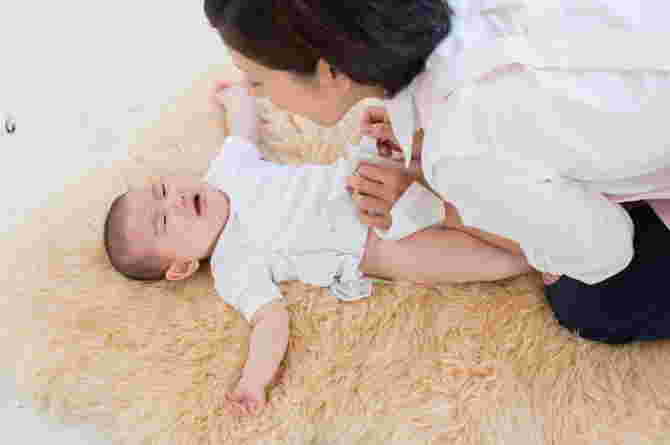
You should contact a doctor immediately if your child exhibits pain while straining. This is especially true if your child cries out in pain and passes blood in their stool, which could indicate an abnormality in their digestive tract.
Mucus in Stool
If you see mucus in your baby’s stool, this could be a sign of infection or intolerance. You should consult a doctor immediately if this happens to your child.
The Dirt Changes Drastically
If your child’s stool changes dramatically after you introduce a new food, this could indicate a food allergy. Monitor their food intake and consult a doctor immediately.
Liquid Stool
Your child’s stools being very runny at age 1 can also be a problem. If your child experiences diarrhea with watery stools more than five times a day, you should consult a doctor.
That’s what you need to know if your baby’s stool smells like rotten eggs. Maintain good hygiene for you and your child by regularly washing your hands and cleaning common surfaces in the house that your baby may frequently come into contact with. Also, be careful when introducing new foods and feeding techniques to your child. May your child always be healthy.
***
Republished with permission from theAsianParent Indonesia


 Together Against RSV
 Pregnancy
 Parenting
 Child
Child Feeding & Nutrition
 Education
 Lifestyle
 Events
 Holiday Hub
 Aptamil
 TAP Recommends
 Shopping
 Press Releases
 Project Sidekicks
 Community
 Advertise With Us
 Contact Us
 VIP
VIP Rewards
 VIP Parents
