Pregnancy comes with plenty of advice about what to eat, how much to move, and what to expect as your body changes. But when it comes to glucose levels, some common assumptions may make gestational diabetes harder to understand.
Gestational diabetes is a type of diabetes that develops during pregnancy when the body cannot produce enough insulin to keep blood glucose levels within the normal range. Pregnancy hormones can make insulin work less effectively, causing glucose levels to rise.
Here are four common misconceptions about gestational diabetes and what pregnant women should know:
Myth 1: “If I Feel Fine, My Glucose Must Be Fine”
One of the easiest assumptions to make during pregnancy is that if you feel well, everything must be going well.
However, gestational diabetes usually does not cause any noticeable symptoms. Some women may experience mild symptoms such as increased thirst or more frequent urination, but these can also be easy to overlook during pregnancy. The only way to know whether you have gestational diabetes is through testing.
Gestational diabetes commonly develops around the 24th week of pregnancy, which is why screening is typically recommended between 24 and 28 weeks. Women with certain risk factors may be tested earlier.
This is why feeling fine should not replace routine prenatal screening or monitoring recommended by your healthcare professional.
For women who have been advised to monitor their glucose, having a clearer view of how glucose levels change throughout the day can also provide useful information. While fingerstick tests provide individual glucose readings when measured, continuous glucose monitoring (CGM) offers a more complete picture of glucose trends over time.
Myth 2: “If I Eat Healthy, My Glucose Will Always Be Predictable”
Eating a balanced diet is an important part of managing glucose during pregnancy, but “healthy” does not necessarily mean that every meal will produce the same glucose response.
Different carbohydrates can affect glucose differently, while portion size and meal timing can also play a role. Individual responses can vary, particularly as pregnancy progresses.

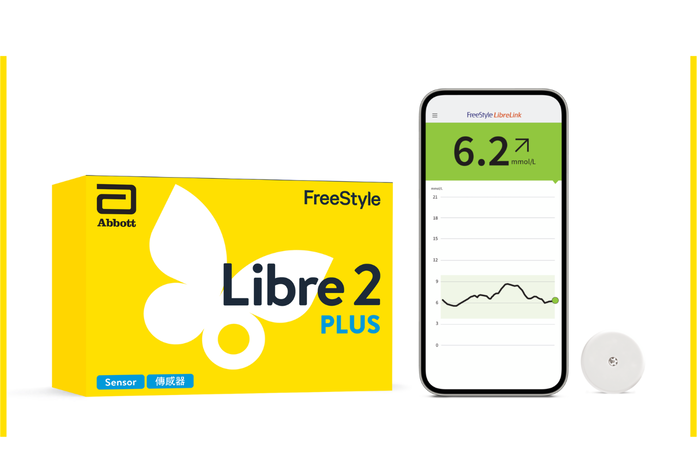
A CGM like Abbott’s FreeStyle Libre 2 Plus, for example, measures glucose every minute1 without fingerpricks2 and sends readings to the FreeStyle LibreLink app3
.
The goal is not to make every meal a source of worry, but to provide greater visibility into how different foods may affect your glucose levels. This can help you and your healthcare professional better understand your individual glucose patterns and make informed decisions about your care.
Find out more about Libre 2 Plus here.
Myth 3: “Gestational Diabetes Happens Because I Have an Unhealthy Lifestyle”
A diagnosis of gestational diabetes can sometimes leave mothers wondering if they did something wrong. But gestational diabetes is not simply a result of eating too much sugar or having an unhealthy lifestyle.
During pregnancy, the body undergoes hormonal changes that can make cells less responsive to insulin. Insulin is a hormone that helps glucose move from the bloodstream into cells, where it can be used for energy. As pregnancy progresses, insulin resistance naturally increases in all pregnant women to some degree. For some women, their bodies cannot produce enough insulin to compensate, causing blood glucose levels to rise.
This means gestational diabetes can happen even if you had healthy habits before pregnancy. Of course, healthy eating and appropriate physical activity remain important parts of pregnancy and diabetes management.
A gestational diabetes diagnosis should not automatically be viewed as a reflection of a mother’s lifestyle or choices. Instead of focusing on blame, understanding what is happening inside the body can help expectant mothers work more confidently with their healthcare team.
Myth 4: “Only Sugar and Carbohydrates Affect My Glucose Levels”
When people talk about glucose management, food is often the first thing that comes to mind. While what and when you eat can affect glucose levels, it is not the only factor involved.
Daily routines can also play a role in glucose regulation. Factors such as sleep quality, stress, meal timing, and other aspects of your routine can influence glucose patterns. Since glucose can be influenced by a range of daily factors, a single reading provides information about one point in time, while continuous monitoring can provide a more complete picture of how glucose changes throughout the day.
For an expectant mother balancing prenatal appointments, work, meals, rest, and everything else that comes with pregnancy, having access to this information can make glucose management feel less like guesswork.

A Clearer Picture of Your Glucose
Understanding gestational diabetes starts with separating facts from assumptions.
You can feel perfectly well and still have elevated glucose. A diagnosis is not simply a reflection of whether you have an “unhealthy” lifestyle. Eating nutritious meals does not guarantee that your glucose response will always be predictable. And glucose patterns can be influenced by more than what is on your plate.
For women who have been advised by their healthcare professional to monitor their glucose, CGM can provide another way to understand how glucose changes throughout the day.
Libre 2 Plus is a small, wearable sensor that attaches to the back of your arm. It can be worn up for up to 15 days, and automatically4 measures glucose throughout the day. It is water-resistant for up to 1 metre for 30 minutes, meaning it can be worn while bathing, swimming, or exercising within the specified limits.
Libre 2 Plus is also the most accurate sensor in Singapore5 , providing automatic glucose readings every minute. With continuous readings, you can gain greater visibility into how your glucose changes across meals, rest, and daily routines. This can help you better understand your individual glucose patterns and have more informed conversations with your healthcare professional.
Libre 2 Plus is indicated for people aged 2 and older with diabetes mellitus, including pregnant women.
Want to Understand Your Glucose Patterns Better?
For first-time users, the Libre 2 Plus Experience Program is available for $10^. (U.P. $103.10)
Discover how continuous glucose monitoring can help you move from guesswork to a clearer understanding of your glucose patterns throughout the day.
- A 60-minute face-to-face group session with Abbott’s FreeStyle Libre specialist, where you will learn how to apply and use the sensor effectively.
- An optional 30-minute virtual group session to understand the FreeStyle LibreLink app reports
- Ongoing tips and support throughout your experience, ensuring you get the most out of your FreeStyle Libre.
The Experience Centre is conveniently located at SPACES One Raffles Place*, offering daily sessions to accommodate busy schedules.
Sign up to try your first Libre 2 Plus sensor and gain valuable insights to support your gestational diabetes management.
Disclaimers and footnotes:
Images and readings are for illustration purposes only.
^T&Cs apply.
*1 Raffles Place, #02-01, One Raffles Place Mall, Singapore, 048616.
- 60-minute warm-up required when applying the sensor.
- Finger pricks are required if glucose readings and alarms do not match your symptoms or expectations.
- The FreeStyle LibreLink app is only compatible with certain mobile devices and operating systems. For more information about device compatibility for the FreeStyle LibreLink app, click here
- Glucose readings are automatically displayed in the FreeStyle LibreLink app when the sensor has been started with the app, and the smartphone and sensor are connected and within range. Optional scanning can be used to backfill readings following a period of lost sensor connection.
- Registered CGMs in Singapore and their publicly reported MARD values: Dexcom G7 – MARD: 8.7% (Source: Dexcom G7 User Guide). Buzud 2.0 – MARD: 8.66% (Source: Buzud LazMall). Sinocare iCan CGM – MARD: 8.71% (Source: Sinocare website). Accessed Jan 2026.
The FreeStyle Libre 2 Flash Glucose Monitoring System Reader (“Reader”) when used with a FreeStyle Libre 2 Plus Flash Glucose Monitoring System Sensor (“Sensor”) is indicated for measuring interstitial fluid glucose levels in people (age 2 and older) with diabetes mellitus, including pregnant women. The Reader and Sensor are designed to replace blood glucose testing in the self-management of diabetes, including dosing of insulin. The indication for children (age 2 – 12) is limited to those who are supervised by a caregiver who is at least 18 years of age. The caregiver is responsible for managing or assisting the child to manage the Reader and Sensor and also for interpreting or assisting the child to interpret Sensor glucose readings.
©2026 Abbott. All Rights Reserved. Libre, the butterfly logo, the sensor shape and appearance, the color yellow, and related marks and/or designs are the intellectual property of the Abbott group of companies in various territories. Other marks are the property of their respective owners.ADC-2696473 v1.0
Brought to you by:



 Together Against RSV
 Pregnancy
 Parenting
 Child
 Education
 Lifestyle
 Events
 Aptamil
 TAP Recommends
 Shopping
 Press Releases
 Project Sidekicks
 Community
 Advertise With Us
 Contact Us
 VIP
 Rewards

