You’ve probably heard it before: “Breast is best.” But what does that really mean beyond simple nutrition? Breast milk is more than just food. It’s a living, bioactive substance tailored by your body to meet your baby’s precise needs at every stage of development. Backed by pediatricians, the World Health Organization, and countless scientific studies, breast milk is a natural superfood uniquely designed for newborns.
But did you know that breast milk can do far more than nourish? From potentially killing cancer cells to providing natural pain relief, here are seven scientifically backed benefits of breast milk that may surprise you.
Surprising Benefits of Breast Milk

Benefits of Breast Milk: 7 Incredible Wonders Science Supports
1. Breast Milk May Help Fight Cancer Cells
One of the most groundbreaking discoveries about breast milk is a protein complex known as HAMLET (Human Alpha-lactalbumin Made Lethal to Tumor cells).
Discovered by Swedish researchers, this naturally occurring compound in breast milk has shown the ability to selectively kill cancer cells without harming healthy cells.
While it’s not yet a mainstream treatment, ongoing clinical trials are exploring HAMLET’s use in treating cancers such as bladder, colon, and cervical cancer. This revelation could shape the future of cancer therapy, all thanks to breast milk.
2. It Strengthens Your Baby’s Immune System
Breast milk is packed with immunological powerhouses like secretory IgA, lactoferrin, and oligosaccharides that help your baby fight off infections. But even more fascinating? Breast milk actually changes based on your baby’s health.
According to research by biologist Dr. Katie Hinde, when a baby suckles, a small amount of saliva is pulled back into the mother’s nipple. This “baby spit backwash” contains information about pathogens in the baby’s system. In response, the mother’s body adjusts the breast milk’s immune content almost like real-time medicine.
3. It Keeps Babies Hydrated in Every Climate
Did you know breast milk is approximately 88% water? It keeps your baby hydrated even in hot climates without the need for additional water, which can be unsafe for babies under six months.
On warmer days, breast milk naturally becomes more watery, helping babies stay cool and hydrated. So even if your baby is sweating, you can trust that frequent breastfeeding is all they need.
4. It’s Naturally Antibacterial and Antimicrobial
In a fascinating experiment in the UK, breast milk was placed in petri dishes containing bacteria like Micrococcus luteus. The results? A clear barrier formed between the bacteria and the milk, showing how effectively breast milk can prevent bacterial growth.
These antimicrobial properties remain effective even in milk from mothers nursing toddlers, suggesting that breast milk may have long-term health benefits even beyond infancy.
5. It Can Help Treat Acne and Skin Issues
Forget expensive creams, breast milk may be one of the best all-natural skin solutions. Research from the University of California found that lauric acid in breast milk has anti-inflammatory and antibacterial properties that can help treat acne and minor skin irritations.
Many mothers apply breast milk to their baby’s rashes, scratches, or baby acne, and even to their own skin with visible results.
6. It Acts as a Natural Pain Reliever
Breast milk contains endorphins, the body’s natural feel-good hormones. These compounds help soothe pain, which is why nursing often calms a crying baby almost instantly. The act of breastfeeding itself combined with warmth, scent, and skin contact has a powerful comforting effect on babies.
Breast milk also promotes the release of oxytocin, the “bonding hormone,” creating a calming experience for both mom and baby.
7. It’s Perfectly Tailored for Preemie Babies
For mothers who give birth prematurely, breast milk takes on another role. It adjusts to meet the unique nutritional needs of preemies. Research shows that milk from mothers who deliver early contains higher levels of protein and bioactive molecules compared to full-term milk.
This specialized composition can help fragile newborns thrive in NICUs and reduce the risk of complications, infections, and developmental delays.
Frequently Asked Questions (FAQs)
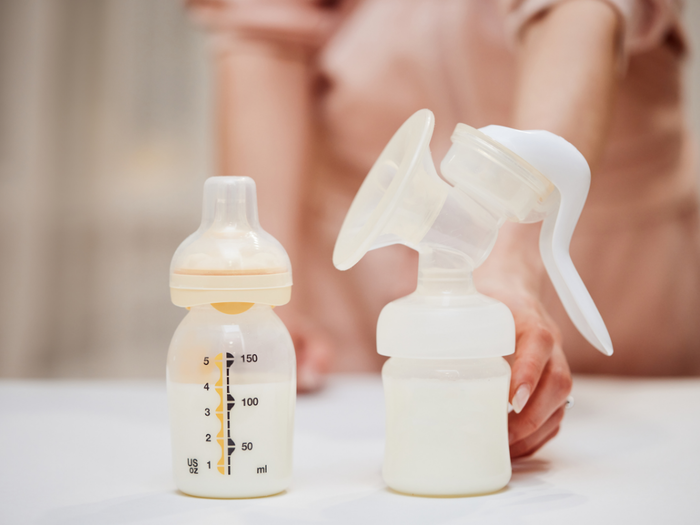
Benefits of Breast Milk: 7 Incredible Wonders Science Supports
Q: What are the top health benefits of breast milk?
A: It boosts immunity, adapts to baby’s needs, protects against infections, hydrates, reduces pain, and supports development.
Q: Can breast milk really help fight cancer?
A: Yes, a compound in breast milk called HAMLET has shown promise in killing cancer cells in laboratory studies.
Q: Does breast milk change when the baby is sick?
A: Yes, breast milk adjusts its immune content based on the baby’s saliva to help fight illness.
Q: Can breast milk be used on adult skin?
A: Yes, due to lauric acid, breast milk can help with acne, rashes, and minor irritations when applied topically.
Q: Is breast milk still beneficial after 12 months?
A: Absolutely. Breast milk continues to provide immune, nutritional, and emotional benefits beyond the first year.
A Living Marvel of Nature
Breast milk isn’t just nourishment. It’s intelligent, adaptive, and powerful. It strengthens your baby’s immune system, supports their development, and even contributes to groundbreaking medical research. This liquid gold is truly a gift from nature that modern science is still striving to fully understand.
That said, not every parent is able to breastfeed, and that’s okay. What matters most is that babies are loved, fed, and nurtured. But for those who can and choose to breastfeed, it’s empowering to know just how profound the benefits of breast milk really are.


 Together Against RSV
 Pregnancy
 Parenting
 Child
Child Feeding & Nutrition
 Education
 Lifestyle
 Events
 Holiday Hub
 Aptamil
 TAP Recommends
 Shopping
 Press Releases
 Project Sidekicks
 Community
 Advertise With Us
 Contact Us
 VIP
VIP Rewards
 VIP Parents
