Why Peer Mentorship Could Be the Parenting Hack You Didn’t Know You Needed
Parents notice too. Fewer arguments, less nagging, and a child who takes charge of their time.
You know the drill. Another late night, another Google search for “best tuition in Singapore,” another round of comparing fees, teachers, and promises of grade jumps. It’s the treadmill every parent knows too well: keep running, don’t fall behind, pray it pays off.
But what if the real secret to your child’s growth isn’t more content, but better systems? Emil Lim, co-founder of First Principles Education, calls it peer mentorship—and he swears it changes everything.
“The difference is night and day,” Emil says. “With tuition, children often wait to be told what to do. With mentorship, they learn how to plan, how to start, and how to follow through.”
And this isn’t just about school results. It’s about raising kids who can manage themselves, find focus in a distracted world, and—finally—relieve you of the endless cycle of nagging.
Table of Contents
Why Peer Mentorship Outshines More Worksheets

Source: Emil Lim
Here’s the truth no one says out loud: tuition feels safe. It’s like strapping a parachute on your child—you hope that if they stumble, the extra worksheets and practice drills will cushion the fall. But what Emil wants parents to know is that sometimes, that parachute turns into a crutch. Instead of soaring, kids just learn to wait for instructions.
Peer mentorship flips that script. Instead of asking “What do I do next?”, kids start asking themselves, “How do I get this done?” Emil has seen it happen again and again.
“Within weeks, we see students setting up their own study blocks, tracking their own progress, and taking pride in the fact that they didn’t need to be reminded,” he says. Parents notice too. Fewer arguments, less nagging, and a child who takes charge of their time.
That’s the real win. Not just better grades, but independence. The kind every parent secretly hopes for.
When Home Life Transforms Too
We asked Emil to share a moment that really surprised him. His eyes lit up.
“I remember a Primary 6 student who used to resist everything — from submitting homework to even talking about her schedule,” he recalls. “Her mentor kept it simple: one clear task a day, proof of work every evening. By the third week, she started sending updates on her own. The real turning point was when her mum told us, “I didn’t nag her once this week.” That moment was bigger than the grades.”
For parents, imagine what it feels like to trade daily battles for quiet progress. That’s the magic of peer mentorship. It doesn’t just change your child; it changes the family dynamic.
What Schools Can’t Fill
Parents often wonder… Is it the school system, or is it my child’s habits? Emil has a clear take.
“Schools are good at giving content. But most struggles come from habits—poor time management, lack of focus, procrastination,” he explains. “That’s where we step in. One target, one plan, one proof of progress.”
In other words, schools deliver knowledge. Peer mentorship equips kids to actually use it. That balance, Emil argues, is where lasting transformation begins.
Gen Z Mentors as Big Brothers and Sisters

Source: Emil Lim
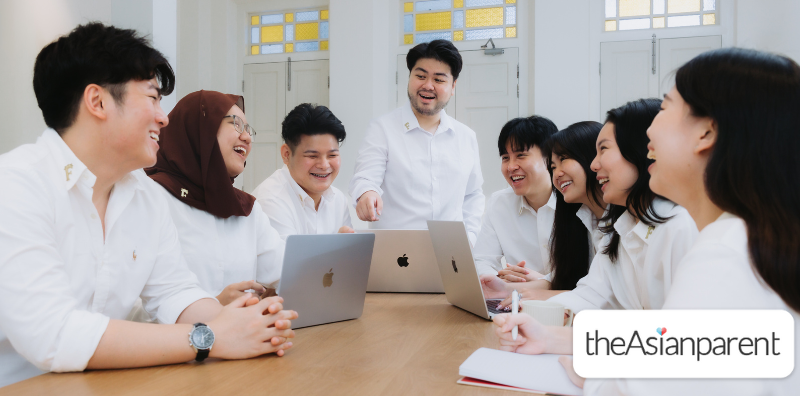
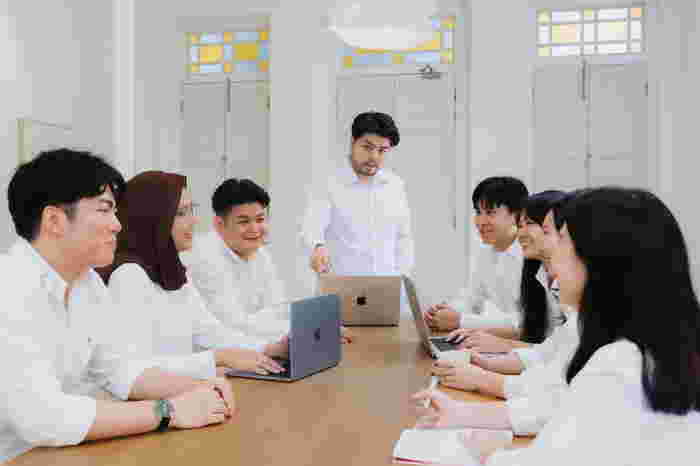
Here’s where things get interesting. At First Principles, every mentor is a university student—close enough in age to feel relatable, but mature enough to guide.
“Because they’re closer in age, our mentors spot things quickly—like when a student is scrolling late into the night, or when they’re pretending to ‘try’ but aren’t making progress,” Emil says. “Parents might see the result, but our mentors catch the pattern early. And because students see mentors as older brothers or sisters, the feedback feels relatable and real. It’s harder to dismiss.”
For kids growing up in a hyper-distracted world, that relatability can make the difference between resistance and real change.
What Keeps Emil Up at Night—and What Gives Him Hope
When you work closely with families, optimism and worry live side by side. Emil is no exception.
Source: Emil Lim
“What gives me hope is that more parents are starting to ask for independence, not just grades. They want their children to manage themselves, not rely on endless tuition,” he says.
But then his voice drops a notch. “What keeps me up is how fast distraction creeps in. A child can lose weeks without anyone noticing. That’s why we keep mentorship tight—clear routines, visible progress, strong accountability. Once a student learns to run their own system, the future looks a lot less uncertain.”
Beyond Grades
Here’s the bottom line: peer mentorship isn’t a replacement for schools or parents. It’s a bridge. It complements the system by focusing on execution, resilience, and self-direction.
Think of it as training wheels for independence. Instead of telling kids what to do, mentors teach them how to see their own progress and take ownership of it. The result? Children who not only perform better in school, but also grow into teens and young adults who can manage themselves with confidence.
As Emil puts it, “Adults shouldn’t just control. They should create space for children to own their growth.”
The Future of Parenting and Peer Mentorship
At the end of the day, every parent in Singapore shares the same quiet wish: that their child grows up not just book-smart, but life-ready.
Emil Lim’s vision for peer mentorship pushes us to rethink what that truly means. It’s not about chasing the next top grade, nor about piling on tuition until there’s no room left to breathe. It’s about raising children who can take initiative, navigate distractions, and feel a sense of ownership over their own growth.
Yes, academic content matters. But in a world where information is available at every click, the true advantage lies in how children manage themselves—how they plan, adapt, and persevere. Peer mentorship doesn’t promise perfection. What it does offer is a steady framework: a chance for your child to practise independence within a safe, supportive space. And for parents, that means moving away from constant control toward cultivating trust.
As Emil reminds us, “Once a student learns to run their own system, the future looks a lot less uncertain.” Perhaps the real lesson here is that resilience, curiosity, and confidence are not just outcomes—they are habits that must be trained, day by day.
So the question is no longer, “How do we get our children to do more?” The question is, “How do we help them move better?”
And in that shift lies not only the future of education, but the future of parenting itself.