Rising AI Adoption in Preschools Raises Screen Time Concerns in Singapore
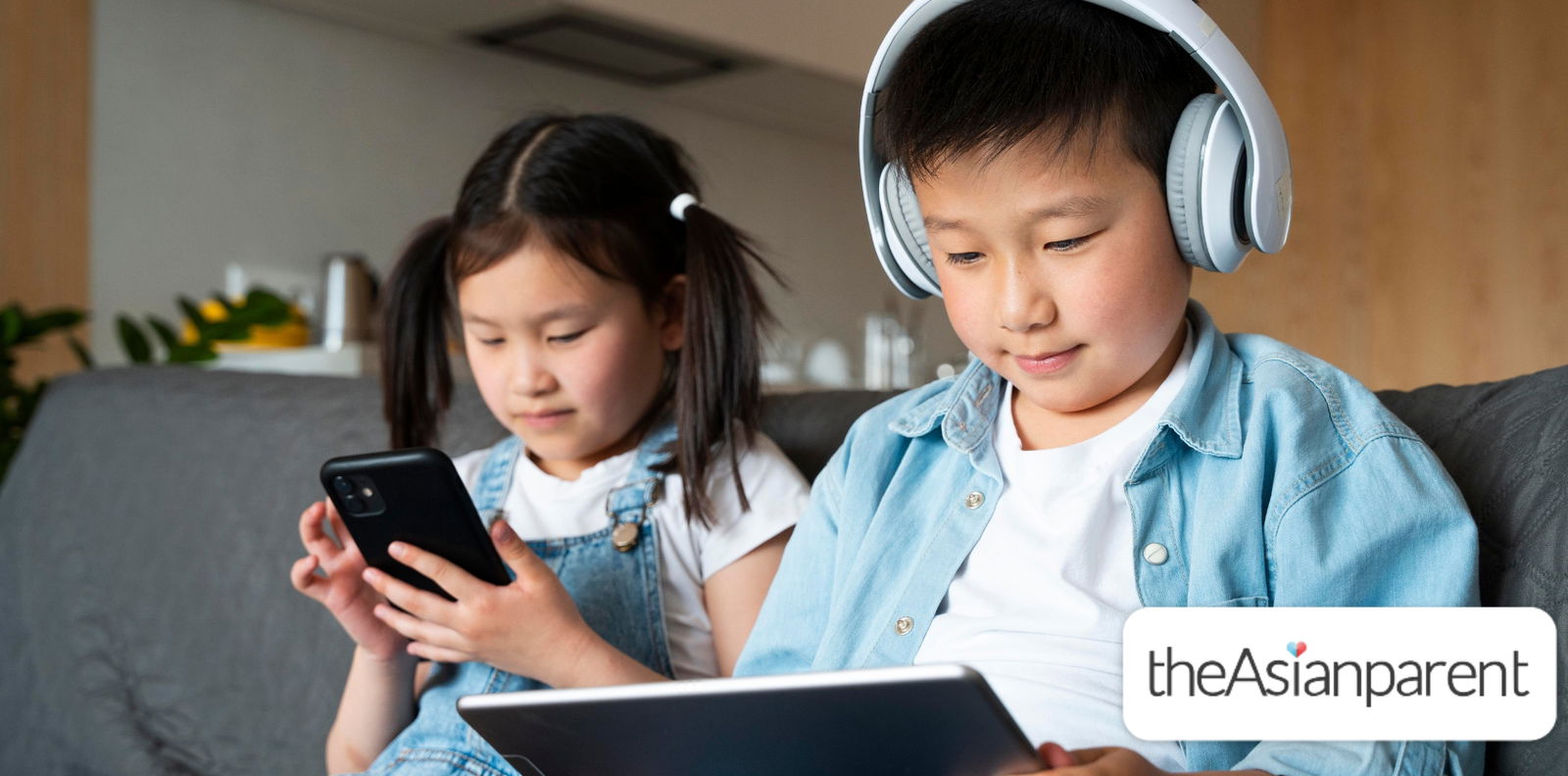
AI is rising in Singapore preschools, but experts warn balance is key to protect children’s development.
Artificial intelligence (AI) is quietly reshaping early education in Singapore. From apps that help preschoolers learn Mandarin to programmes that tailor maths lessons to a child’s pace, more centres are experimenting with digital tools in the classroom. But while the benefits are promising, experts warn that excessive screen time could impact young children’s development.
How Preschools Are Using AI
Ednovation, which runs three preschool chains in Singapore with about 600 students, introduced an AI-powered Mandarin learning tool in 2023. Within two years, one preschooler progressed from recognising just 30 Chinese characters to over 300.
Founder Richard Yen is clear that the technology is meant to complement, not replace, teachers.
“We’re not replacing teachers with AI. Teachers teach the lessons … but a teacher in the class cannot provide one-to-one assistance to so many children,” he explained.
AI, he added, serves as a “revision tutor”, reinforcing what has already been taught.
Other apps are also making their way into classrooms. Creta Class, a maths learning platform, has seen a 75 per cent jump in sign-ups. Its CEO, Carlton Kuo, believes this surge is fuelled by parents who want their children to be digitally literate and ready for a tech-driven future.
“The mainstreaming of AI in everyday life has led to demand for early, structured exposure to these technologies,” he noted.
Mixed Reception From Schools
Not all AI ventures have succeeded in preschools. BrookieKids piloted its speech-based storytelling app in about 20 centres back in 2022. But many preschools chose not to adopt it, citing concerns about screen time.
Founder Melissa Ng acknowledged these challenges, even as the app gained traction among parents outside of school. With around 1,500 users since July 2024 and plans to expand beyond Mandarin into Malay stories, she said the company has been growing steadily despite resistance from operators.
Screen Time Concerns Grow
The growing use of AI in preschools comes amid wider concerns over children’s screen exposure. New guidelines rolled out earlier this year recommend that children aged 18 months to six years should have no more than one hour of screen use per day outside school.
Ms Amelia Jaishree, lead specialist at the National Institute of Early Childhood Development (NIEC), said parents today are far more aware of the risks than a decade ago. But she stressed that digital activities must be developmentally appropriate.
“That means avoiding passive screen time and focusing on interactive, purposeful learning,” she said.
She also emphasised that technology should always be a support tool guided by teachers, never a substitute for play, social interaction, or creative exploration.
Finding the Balance
Some preschools are already trying to balance tech with traditional play. Ednovation, for instance, caps device use at just one hour a week, supplementing it with physical activities that mimic coding commands.
For Richard Yen, the goal is not simply to teach technical skills but to prepare children with soft skills that help them “stand apart from AI” in the future.
“It’s not just about coding. They learn teamwork, they experience failure and success – and all these are really in a bigger context,” he said.
The Bottom Line for Parents
AI tools are opening exciting new pathways for early education in Singapore, from personalised language learning to bite-sized maths practice. But the consensus among educators and specialists is clear: AI should enhance, not replace, human interaction, and screen time must remain carefully managed.
For parents, this means asking not just what apps are being used in the classroom, but how they are used – and ensuring children still get plenty of play, social bonding, and offline exploration.
FAQs About AI in Singapore Preschools
Are AI apps replacing teachers in preschools?
No. Experts and preschool operators stress that AI is used as a support tool, not a replacement for teachers. As Ednovation’s founder Richard Yen explained, teachers remain central to lessons, while AI acts as a revision tutor to reinforce learning.
How much screen time is safe for preschoolers?
The Ministry of Health’s guidelines recommend that children aged 18 months to six years should have no more than one hour of screen use per day outside of school. Experts like NIEC’s Amelia Jaishree also emphasise that digital activities should be interactive and purposeful, not passive.
What kinds of AI tools are being used in preschools?
Some schools use AI-powered language apps like Ednovation’s Mandarin programme, while others pilot maths learning platforms such as Creta Class. These apps adapt to each child’s pace, offering personalised learning experiences.
Why are some schools hesitant to adopt AI apps?
Concerns over excessive screen time and whether technology aligns with early childhood education goals have led some preschools to hold back. For instance, BrookieKids’ storytelling app was not widely adopted after its pilot phase.
How can parents ensure balance when children use AI apps?
Experts recommend that parents look at how technology is being used. The focus should be on interactive learning rather than passive screen use, while ensuring children also have enough time for physical play, social interaction, and creative exploration.