Nurturing Your Little One’s Gut: Understanding C-section and the Microbiome

Everyone talks about the tough choices and the healing after a C-section or natural birth, but here’s the thing people rarely mention: how your delivery method affects your little one’s tiny tummy! New research is making it clear that children born via C-section get a different ‘starter kit’ of bacteria in their gut.1 Since those tiny microbes are basically responsible for training their immune system2 , understanding this connection is crucial for every parent looking out for their child’s long-term health.
Why Gut Health Is A Big Deal For Your Child’s Development
You might just think the gut is for processing food, but it’s actually home to trillions of microorganisms – their gut microbiota -that do so much more! This tiny team of microbes is vital because they help fight infections, and support the immune system.3 For newborns, developing a healthy and diverse microbiome is incredibly important; it helps them fight off viruses, absorb essential nutrients, and even helps protect against long-term health issues like obesity and allergies. It’s basically the VIP pass to a healthy start!

What Exactly Is the Gut Microbiota?
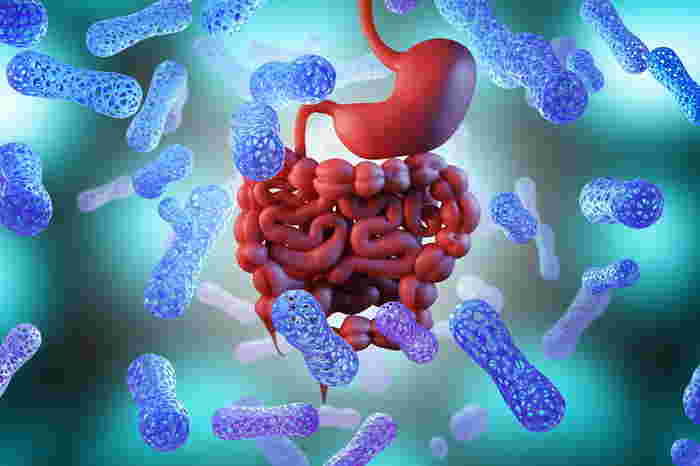
Digital illustration of probiotic cells or good bacteria surrounding the gut
A huge, thriving ecosystem in your little one’s tummy is formed by the gut microbiota. It is made up of trillions of tiny residents-bacteria, viruses, and fungi – that all work together.1,3
Their job? To help digest fiber and, super importantly, to power up your little one’s immune system.1,3
When the microbiota is balanced (or in harmony), all these tiny residents are coexisting nicely. But when things get out of control – which doctors call dysbiosis (or imbalance) – that harmony is disturbed. When the gut is imbalanced, your little one’s body is less equipped to fight off infections and viruses from inside and out. So it’s very important to keep those tiny residents happy!1,3,4
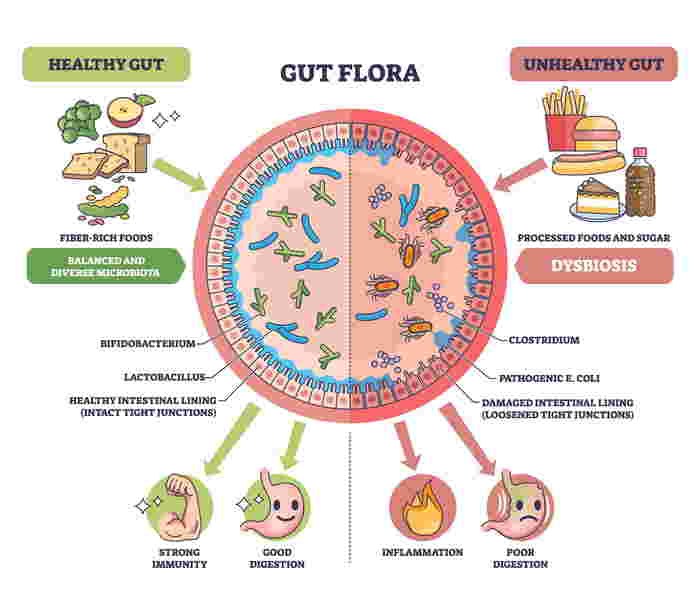
Digital illustration of a comparison between a healthy (balanced) gut and an unhealthy (imbalanced) gut
Dealing with dysbiosis right from birth can have ripple effects down the road. This early disruption is linked to an increased risk of certain health issues, such as:
- asthma and allergies5
- obesity and diabetes5
- Cancer5
- Inflammatory bowel disease5
So, How Does A C-Section Affect the Child’s Microbiota?
In a vaginal delivery, as your little one squeezes through the birth canal, they get completely coated in an amazing, diverse mix of mom’s good bacteria. That initial exposure helps them build a diverse and healthy gut microbiota.6
When a C-section happens, your little one bypasses the birth canal, meaning their initial bacterial exposure comes from the surrounding environment—like the operating room or Mom’s skin, such as Enterococcus and Klebsiella, which aren’t considered the most beneficial or “friendly” microbes for starting a healthy gut population.7
Here’s another layer to consider: moms who have C-sections are usually given antibiotics to prevent post-surgical infection (which is necessary!). However, those antibiotics can cross over to your little one, which means they might unintentionally reduce the amount of good, beneficial bacteria that your little one’s gut needs to get started.
How To Improve Your C-Sect Little One’s Gut Health
Even though we can’t change how our little one arrived, we still have huge power to positively influence their developing gut! We can totally shape their microbiome through simple, deliberate, and loving choices every day.
- A Balanced Diet – Include Synbiotic
Never heard of ‘Synbiotic’ before? Well, it’s literally the combination of probiotics and prebiotics – a superb combination that is essential in building a healthy and balanced gut!

- Breastfeeding
Breast milk is seriously the ultimate superfood for your little one, no doubt about it! It’s packed with both live, good bacteria and natural prebiotics. For C-section mamas, if you can, aim for exclusive breastfeeding in the first six months as it can actually help your little one’s gut develop a healthy profile that’s closer to what naturally-born babies have. Plus, it’s loaded with antibodies that give their immune system a huge boost!
- Vaginal Seeding
Vaginal seeding is an interesting idea meant to help C-section children get the good bacteria they miss out on. It involves placing a gauze in the mother’s vagina before the operation and then immediately swabbing the little one’s mouth and skin with it after birth, basically trying to artificially recreate that microbial “shower.”7
While it might sound intriguing, its safety is still being studied, thus it is not yet being carried out routinely. Do speak to your doctor for professional advice about this method.
- Mother’s fecal microbiota transfer
Though it sounds pretty unusual, initial studies are looking into maternal fecal microbiota transplantation (FMT). This involves transferring mother’s gut bacteria to her C-section child, and early results suggest it might be an effective way to help build that crucial, healthy gut profile.8 However, this method is still being studied and reviewed for its safety.
Other Ways You Can Support Your C-Sect Child’s Gut Health
Besides the methods above, here are some practical things that you can do to support your little one’s gut health:
- Prioritise Hygiene
While keeping things safe is a must, exposure to everyday germs is actually essential for training your little one’s immune system and establishing a strong gut. Chill out, Mama; let your little one safely explore their surroundings and encounter those natural, everyday microbes.
- Reduce Intake of Unnecessary Antibiotics
Too much antibiotics can jeopardize the good bacteria in your little one’s gut. Only take antibiotics when absolutely necessary. - Introduce Healthy Food Options
Consume foods that contain probiotic to increase their numbers, such as milk with probiotics or low-sugar yogurt. Consume foods with high in fiber to serve as nourishment for these probiotic, helping them become stronger. Once your little one starts solids, provide him with fibre-rich foods such as vegetables, fruits and whole grains. Fibre helps feed the good bacteria in the gut and supports a balanced gut microbiota.
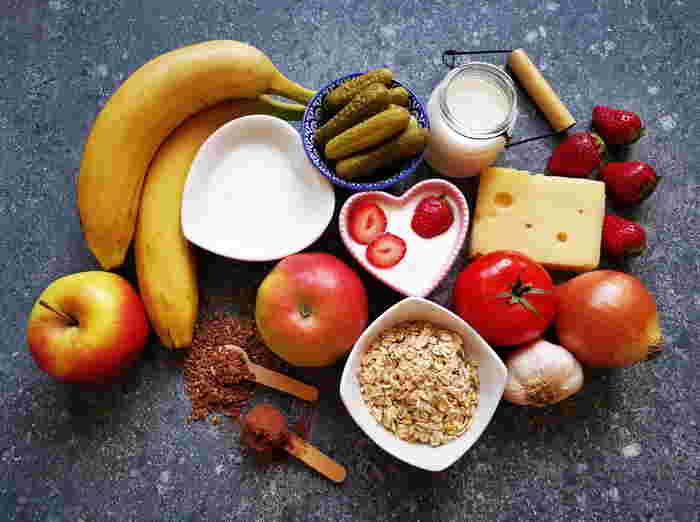
Foods rich in probiotics and prebiotics
- Feed Your little one with Fermented Foods
As mentioned above, fermented foods such as yogurt, kefir and tempeh are rich in probiotics that help to improve your little one’s gut health. However, do check on the suitability of each food option based on your child’s age and development.
- Hydration is Key!
Proper hydration helps keep your little one’s digestion running well and their gut balanced. Remember: for children under six months, breast milk or formula is the only fluid required – it’s their complete source of hydration!
But What If My Little One Gets Picky With Food?
Introducing solids is a huge milestone, and let’s be real, it can get tricky! If you’re struggling to meet your child’s crucial probiotic and prebiotic needs through diet alone, you are not alone! We have the solution for you which is to introduce probiotic and prebiotic for your little one!

REFERENCES:
-
- Roswall J, et al. Cell Host Microbe 2021;29:795-776
- Gut health
- What Is Your Gut Microbiome?
- Dysbiosis: What It Is, Symptoms, Causes, Treatment & Diet
- Factors influencing development of the infant microbiota: from prenatal period to early infancy
- Babies’ gut bacteria affected by delivery method – Hudson Institute of Medical Research
- Babies born by C-section have different gut bacteria | UCL News – UCL – University College London
- Vaginal Seeding After C-Section: Procedure, Benefits & Risks
- Maternal Fecal Microbiota Transplantation in Cesarean-Born Infants Rapidly Restores Normal Gut Microbial Development: A Proof-of-Concept Study – PubMed