Nighttime Snacking During Pregnancy May Double the Risk of Postpartum Depression
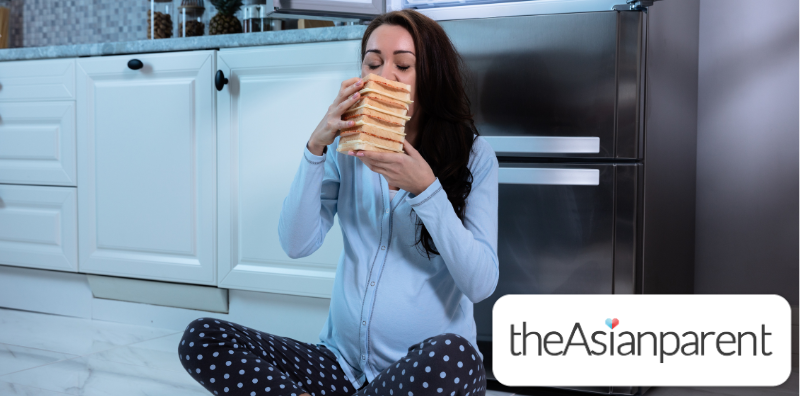
Discover how nighttime snacking during pregnancy may increase the risk of postpartum depression and learn practical tips to manage it.
A new study suggests that pregnant women who frequently snack late at night may face a higher risk of developing postpartum depression (PPD). The findings highlight the importance of healthy eating habits and sleep routines during pregnancy, not only for physical health but also for mental well-being after childbirth.
The Study at a Glance
Researchers in Japan conducted a prospective cohort study involving 609 pregnant women between 2019 and 2022. Participants completed self-administered questionnaires on lifestyle, diet, and nighttime snacking habits. Postpartum depression was assessed using the Japanese version of the Edinburgh Postnatal Depression Scale (EPDS).
The results showed that women who reported nighttime snacking three or more times per week had 2.5 times higher odds of developing postpartum depression compared to those who snacked less than once a week. Even after adjusting for potential confounding factors, the association remained significant.
Why Nighttime Snacking May Affect Mental Health
While occasional late-night snacks are not uncommon during pregnancy, frequent nighttime eating may disrupt key processes that influence mental health:
-
Sleep patterns: Late-night eating can interfere with sleep quality, and poor sleep is a well-known risk factor for mood disorders.
-
Blood sugar balance: Repeated spikes and drops in blood sugar may affect energy stability and emotional regulation.
-
Hormonal regulation: Eating at irregular times can disrupt hormonal rhythms that play a role in stress and mood.
These disruptions together may contribute to an increased likelihood of postpartum depression.
Why Pregnant Women Snack at Night
Pregnancy often brings unique challenges that make late-night eating tempting or unavoidable:
-
Poor sleep or frequent night waking
-
Cravings and increased energy needs
-
Lifestyle habits such as staying up late or late-night screen time
However, when late-night snacking becomes frequent, it may set a pattern that negatively impacts both physical and mental health.
Tips to Reduce Nighttime Snacking
Pregnant women do not need to eliminate snacking entirely, but healthier habits can help lower risks:
-
Eat balanced meals during the day to reduce late-night hunger.
-
Keep healthier snacks, such as fruit, yoghurt, or nuts, on hand if a snack is truly needed.
-
Limit screen time before bed to improve sleep quality.
-
Practice relaxation techniques, such as stretching or deep breathing, before bedtime.
The Takeaway
This study clarifies an important link between nighttime snacking during pregnancy and postpartum depression. Expecting mothers who snack late at night three or more times a week may have double the risk of experiencing PPD.
By making small adjustments in eating and sleeping habits, pregnant women can support not only their physical health but also their emotional resilience after childbirth.
Reference
European Journal of Clinical Nutrition (2025; 79:653-659). “Association between nighttime snacking during pregnancy and postpartum depression among community-dwelling pregnant women: a prospective cohort study.”