Mom, how many days did you stay in the hospital after a C-section? How long was your recovery?
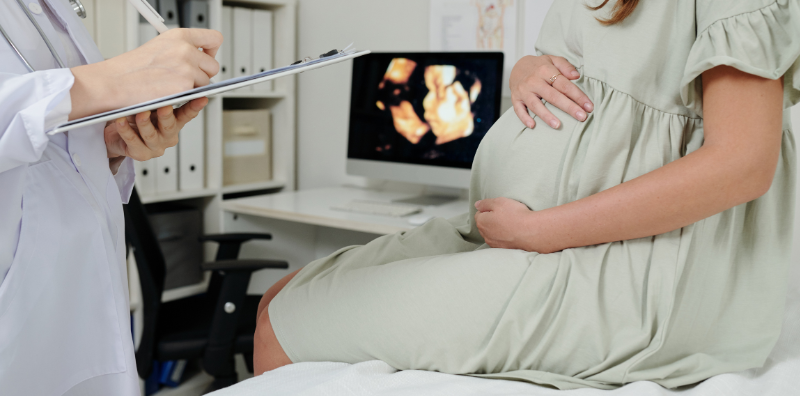
Mothers preparing for a C-section may wonder how many days they will have to stay in the hospital, how long the recovery period will be, and what the wound will look like. Let's relieve the worries of mothers who have had a C-section.
Caesarean section is another option for pregnant mothers. Nowadays, pregnant mothers often choose cesarean section for various reasons, such as auspicious birth date, waiting for a convenient date, or health conditions that require surgery. But what many mothers are worried about is how many days in the hospital after a cesarean section, and how long does it take? Let’s clear up any doubts about cesarean section, recovery time, and other factors regarding cesarean section.
What is a cesarean section? What should mothers know?
A C-section (cesarean section) is a surgical procedure to remove the fetus through an incision in the mother’s abdominal wall and uterus. The incision is made across the lower abdomen. C-sections are complex and carry risks, so they must be approved by your doctor to ensure they are the safest for you and your baby. If a C-section is not related to your health or is requested by you, your doctor will explain the reasons and risks of the surgery to you before performing it.

And how many days did you stay in the hospital after the C-section?
How long does a C-section require? Generally, after a C-section, most mothers will spend at least 3-4 days in the hospital recovering from the surgery to monitor symptoms and control post-operative pain. However, if the mother and baby have other complications, they may need to stay longer. This depends on the doctor’s discretion.
Factors affecting the recovery period after cesarean section
- The physical condition of the mother and child: If the mother has a pre-existing medical condition such as diabetes, high blood pressure, or complications during pregnancy, recovery time may be longer. In addition, the physical condition of the child, such as being underweight or having health problems, also affects recovery time.
- Types of surgery , each with its own complexity and recovery time.
- If complications arise after surgery, such as infection, bleeding, or wound problems, treatment and recovery may take longer.
- Each hospital’s policy may have different policies regarding recovery time after a cesarean section, depending on the hospital’s standards of care.
How should I take care of myself after a cesarean section?
After the surgery, your mother will rest in the operating room for approximately two hours to assess her body and closely monitor for any abnormalities. If there are no abnormalities, the doctor will allow her to return to her room to continue resting.
- After surgery and the mother returns to the recovery room, the mother should try to move around, get up and walk, or move various parts of the body frequently. This will help reduce constipation, reduce the formation of adhesions in the abdomen, and prevent blood clots, which can be dangerous. In addition, the mother’s C-section wound must be closely cared for to ensure that the wound is not infected, the wound is dry and healed, and that the various systems of the body function normally.

- You can breastfeed immediately when you feel better to stimulate milk production and provide milk for your baby. Nurses will help teach or advise on the correct breastfeeding position so that your baby can suckle well.
- You must get enough rest because after the surgery, you will feel exhausted and you will need to breastfeed your baby every 2-3 hours during the newborn period. Therefore, you should sleep as much as possible when your baby is asleep.
- After surgery , mothers should avoid eating food and water immediately. Instead, start by sipping water gradually. If you’re eating food, start with clear liquids, such as clear soup or clear broth, gradually increasing to liquid foods like porridge and easily digested, bland foods. You should avoid spicy foods, pickled foods, alcoholic beverages, coffee, tea, milk, and soft drinks, as these can cause bloating.
- Post-cesarean section lochia is blood that comes out like menstrual blood. The color of the lochia will gradually change from dark red to light brown and the amount will gradually decrease until it dries up in 2-3 weeks. Mothers should wear sanitary pads and change them frequently to maintain cleanliness.
- During the surgical wound , you will experience intermittent pain in your uterus due to contractions. This pain may worsen while breastfeeding. The incision will be covered with gauze. Avoid getting water on the wound and watch for any unusual symptoms, such as swelling, redness, heat, bleeding, or fever. If you experience any of these symptoms, you should immediately notify your doctor or nurse.

Prohibitions! Post-cesarean section that mothers should follow
To prevent the wound from becoming infected and to prevent your surgical wound from becoming scarred, you should follow these recommendations:
- When standing, sitting, standing, or walking, do so slowly to avoid causing excessive tension on the abdominal wound. Most wound pain will gradually subside after 48 hours.
- Avoid lifting heavy objects or tensing your abdominal muscles. Avoid exercises that require stretching until the wound heals, as this can cause inflammation and pain.
- Do not pick at the wound and be careful not to let it get wet. Before returning to the doctor, you can wear a belly band. This will help reduce the pain of the incision and prevent the incision from being pulled by the still-sagging abdominal wall.
- Inspect the surgical wound after the stitches are removed or the wound is completely dry. If it gets wet, use a clean cloth to absorb the water or gently wipe the wound only, and follow the doctor’s instructions.
If the wound is painful, inflamed, red, swollen, torn, or has pus or a foul odor, see a doctor immediately.
What are the symptoms that can occur after a cesarean section? Know this beforehand so you don’t worry.
After a cesarean section, while you are recovering in the hospital, you may experience these symptoms:
- Dizziness, fatigue, nausea upon recovery from anesthesia
- Pain from the cesarean section wound after the anesthesia wears off
- Have cramps or back pain
- I have constipation and can’t defecate.
- There is vaginal bleeding or lochia.
- Movement is not convenient because of the pain from the cesarean section wound.
- You may experience bloating, flatulence, and constipation. You should eat soft foods as your digestive and excretory systems are still recovering after a cesarean section.

What should you do when you have to go home?
- The doctor will cover the surgical wound with waterproof material before your mother returns home. A follow-up appointment will be scheduled approximately one week after surgery. If during this time the wound becomes waterlogged or there is abnormal bleeding, you can go to a nearby medical facility to have the wound dressed or contact the hospital immediately for further advice.
- The mother will have a postpartum checkup at 6 weeks to assess the wound, perineum, lochia, uterine contraction, examine the cervix, and provide advice on postpartum contraception planning.
- Avoid sexual intercourse for 6 weeks after delivery or until after your postpartum checkup.
- Mothers can bathe and wash their hair as usual, eat a nutritious diet consisting of all five food groups, avoid tea, coffee, alcohol, pickled foods, and get plenty of rest.
- If you return home and find that your vaginal discharge has darkened in color, you have blood clots, your vaginal discharge has a foul odor, you have a fever, or you have pain in your lower abdomen, you should return to see your doctor before your scheduled appointment.
- Observe your baby for any unusual symptoms upon returning home, such as jaundice, fever, lethargy, and not nursing. Bring your baby to see a doctor before the appointment.
- It is recommended to consult a doctor about necessary vaccinations for mother and baby to prevent various diseases.
How many days will you have to stay in the hospital after a cesarean section and sterilization?
Generally, if a mother has a cesarean section, the doctor can perform a sterilization at the same time as the cesarean section. If the sterilization is performed at the same time as the cesarean section, or if the mother is sterilized immediately after giving birth within 48 hours, the hospital recovery period will be approximately 3-4 days, which is the period the mother must recuperate in the hospital as usual. During this time, watch for additional symptoms, such as abdominal pain or abnormal bleeding, and notify the doctor immediately.
Except if the mother has had a sterilization procedure 7 days after giving birth, there is no need to stay in the hospital. She can go home and recuperate.
For new mothers about to meet a new family member, you probably already have some understanding of cesarean section. Most people worry about how long they’ll need to stay in the hospital, whether the wound will heal, and whether it will hurt. Preparing for birth is therefore very important, especially if you choose to have a cesarean section.
Republished with permission from theAsianParent Thailand