Familial Brain Aneurysms: What You Need to Know About Risk and Prevention
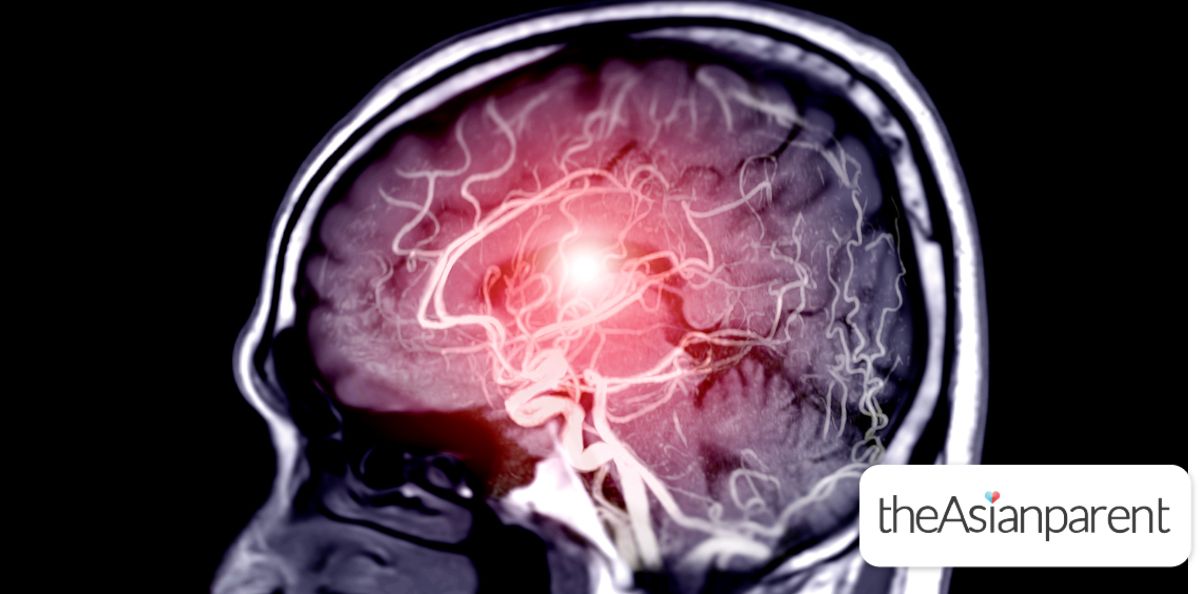
A strong family history of brain aneurysms significantly increases a person’s likelihood of developing one — often earlier in life. Medical experts are increasingly urging individuals with such a history to pursue early screening and adopt lifestyle changes that can help prevent a potentially life-threatening rupture.
Understanding the Hereditary Risk
For those with two or more first-degree relatives affected by brain aneurysms, the risk of rupture can be dramatically higher — approximately 15 to 20 times greater than in the general population. These aneurysms also tend to rupture around a decade earlier than non-familial cases.
“The risk of rupture is 15–20 times higher in people with familial aneurysms compared with sporadic aneurysms.” said Dr Bernard R. Bendok, Chair of Neurosurgery.
Unfortunately, despite clear hereditary links, many at-risk individuals go unscreened until it is too late.
“We regularly see individuals with a ruptured intracranial aneurysm who had knowledge of a family history of the condition but were never screened,” said Dr Bart M. Demaerschalk, Consultant Neurologist
Lifestyle Risks: The Impact of Smoking and High Blood Pressure
Beyond genetic predisposition, lifestyle factors play a significant role in aneurysm risk. Smoking and unmanaged hypertension are especially dangerous.
“Smoking can triple or quadruple the risk. If you combine that with hypertension, the risk can be 10 times greater.” said Dr Bernard R. Bendok
Reducing these risks through smoking cessation, regular exercise, and effective blood pressure control is strongly advised for anyone with a family history of aneurysms.
Screening and Diagnosis: The First Line of Defence
Medical professionals recommend non-invasive imaging, such as CT angiography or high-resolution MRI scans, for early detection in high-risk individuals. These scans can identify aneurysms before symptoms emerge and help distinguish them from normal variations in blood vessels.
Early detection not only offers peace of mind but also allows for strategic planning and monitoring, reducing the chances of an unexpected emergency.
Personalised Treatment Options
When an aneurysm is identified, decisions regarding treatment are based on factors like size, shape, and location. A multidisciplinary team typically considers options such as:
-
Observation for small, low-risk aneurysms
-
Endovascular coiling to seal the aneurysm
-
Surgical clipping for direct vessel reinforcement
-
Flow diverters for complex or wide-necked aneurysms
Each patient’s plan is tailored to their unique profile, balancing benefits and risks.
The Shift Toward Proactive Care
Healthcare providers are moving towards a more proactive approach to neurological health. The aim is to address aneurysms before they rupture, not after.
“We don’t want to wait for aneurysms to rupture. The future of healthcare needs to be proactive.”
— Dr Bernard R. Bendok
Newer technologies like 3D simulation, computer-assisted imaging, and augmented reality are increasingly used to plan procedures more accurately and reduce surgical risks.
Additional Risk Factors
Certain hereditary conditions, such as polycystic kidney disease (ADPKD) and hereditary haemorrhagic telangiectasia, can also increase the likelihood of aneurysms. Individuals with these conditions should consult their doctors about early screening protocols and ongoing monitoring.
Key Takeaways
-
Having two or more close relatives with brain aneurysms significantly increases your risk
-
Quitting smoking and controlling blood pressure can greatly reduce the risk of rupture
-
Early screening through imaging can detect aneurysms before they become dangerous
-
Personalised, multidisciplinary care is essential for the best outcomes
-
Preventive care is far more effective than emergency response